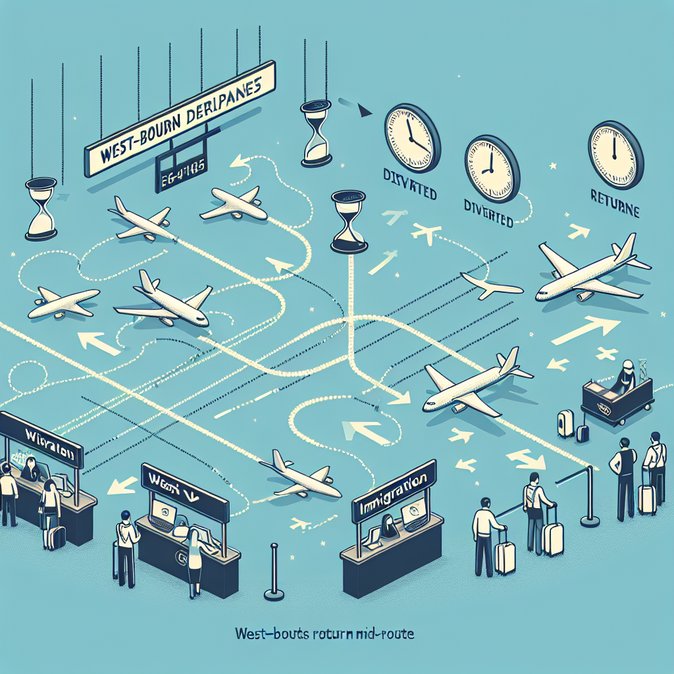
In its first conflict-related bulletin of March, Delhi’s Indira Gandhi International Airport (IGIA) on 9 March advised all passengers on west-bound international flights to reconfirm departure times before travelling to the terminal. The advisory follows multiple instances of last-minute rerouting and air-turn-backs, including an IndiGo Delhi–Manchester service that was forced to return after fresh airspace restrictions were promulgated mid-flight. The airport operator, Delhi International Airport Ltd (DIAL), said real-time flight information is available on its website and mobile app; dedicated help-desks have been set up at Terminals 3 and 2.
![Delhi IGI Airport issues passenger advisory as West-Asia unrest triggers schedule volatility]()
Whether you are coping with sudden schedule shifts or simply trying to keep paperwork in order, VisaHQ can streamline the visa application process in advance of departure. The company’s India portal (https://www.visahq.com/india/) offers online forms, live-status tracking and expert support, saving travellers valuable time amid the current operational uncertainty.
While most operations remain normal, the warning signals that even India’s busiest hub is not insulated from the ripple effects of the Gulf crisis. Aviation insurers note that every hour of additional flying can raise an airline’s operating cost by USD 7,000-10,000 for narrow-body jets, costs that may eventually filter into fares. For corporate mobility managers, the practical takeaway is to allow wider connection windows and to build contingency clauses into travel approvals. The advisory also reminds travellers that immigration counters may experience surges if several delayed flights arrive simultaneously. Frequent-traveller programmes have temporarily relaxed rebooking fees for impacted sectors; however, passenger-rights groups say India still lacks an EU-style compensation regime for conflict-related disruption. With Ramadan traffic set to peak from mid-March, DIAL said it is coordinating with immigration authorities to launch ‘pop-up’ counters that can be opened within 30 minutes if backlogs exceed 45 minutes—a measure that may become permanent as India’s international throughput climbs back above pre-pandemic levels.

Whether you are coping with sudden schedule shifts or simply trying to keep paperwork in order, VisaHQ can streamline the visa application process in advance of departure. The company’s India portal (https://www.visahq.com/india/) offers online forms, live-status tracking and expert support, saving travellers valuable time amid the current operational uncertainty.
While most operations remain normal, the warning signals that even India’s busiest hub is not insulated from the ripple effects of the Gulf crisis. Aviation insurers note that every hour of additional flying can raise an airline’s operating cost by USD 7,000-10,000 for narrow-body jets, costs that may eventually filter into fares. For corporate mobility managers, the practical takeaway is to allow wider connection windows and to build contingency clauses into travel approvals. The advisory also reminds travellers that immigration counters may experience surges if several delayed flights arrive simultaneously. Frequent-traveller programmes have temporarily relaxed rebooking fees for impacted sectors; however, passenger-rights groups say India still lacks an EU-style compensation regime for conflict-related disruption. With Ramadan traffic set to peak from mid-March, DIAL said it is coordinating with immigration authorities to launch ‘pop-up’ counters that can be opened within 30 minutes if backlogs exceed 45 minutes—a measure that may become permanent as India’s international throughput climbs back above pre-pandemic levels.