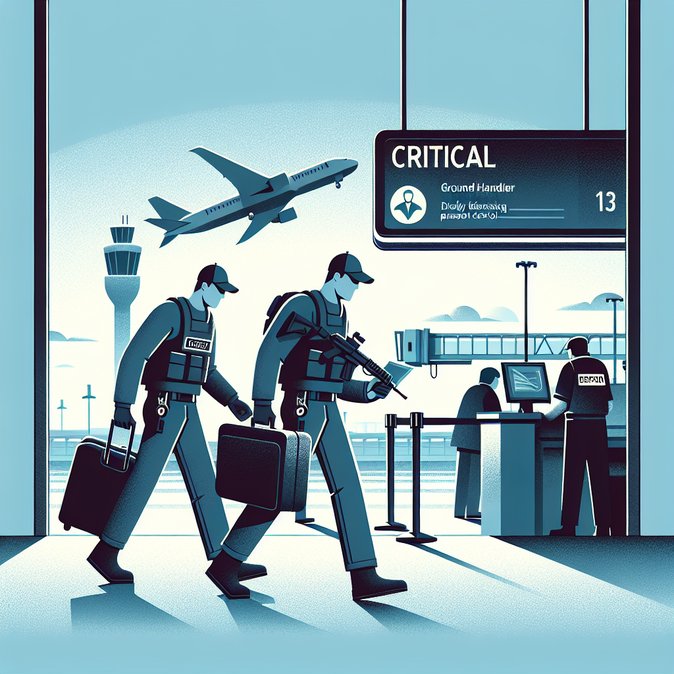
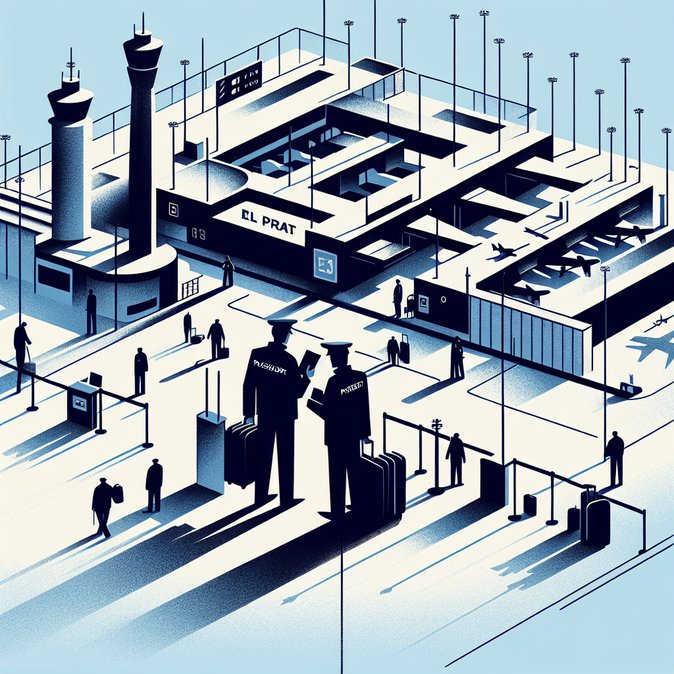
National Police detectives at Barcelona-El Prat have arrested two ground-handling employees accused of disguising an extra-Schengen transit passenger in high-visibility gear and escorting her through a restricted-access lift directly into the Schengen departures area. The arrests, carried out on 9 March, follow CCTV analysis that flagged missing exit records for travellers supposedly continuing to third-country destinations. Investigators say the main suspect used a colleague’s security badge – which carried wider access privileges than his own – to bypass passport control. He faces charges of facilitating irregular immigration; the badge owner is accused of complicity. The intercepted passenger has been returned to her country of origin under accelerated procedures.
![Barcelona Airport staff arrested for smuggling transit passenger past Schengen border checks]()
Travel managers looking for up-to-date guidance on Spain’s entry, transit and airport-security requirements can streamline the process by using VisaHQ, which tracks regulatory changes in real time and offers online visa and transit assessments for corporate and individual travellers. Its Spain portal (https://www.visahq.com/spain/) lets users verify whether a connection requires a Schengen visa, upload documents and track approvals—helping companies avoid exactly the kind of compliance pitfalls highlighted in this case.
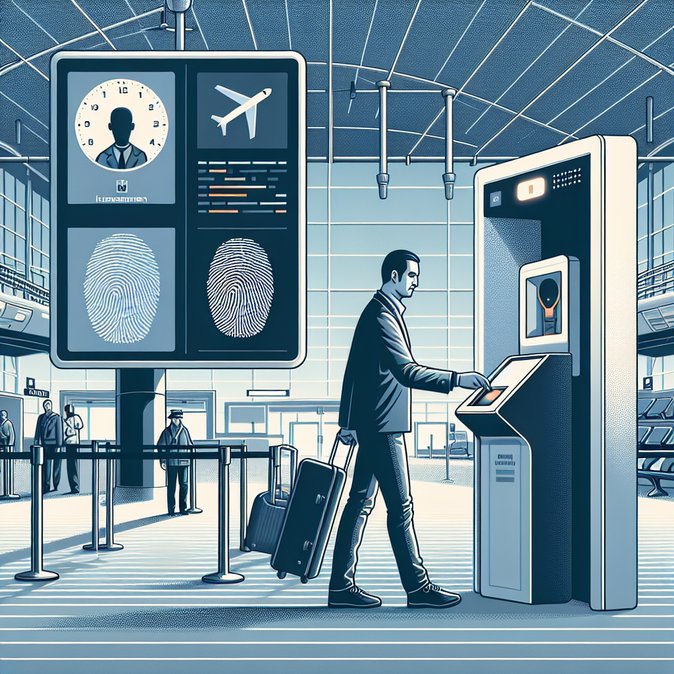
Airports Council International has long warned that insider smuggling rings represent a growing threat as biometric Entry/Exit System (EES) technology tightens external controls. The El Prat incident underscores the point: while the EES will register fingerprints and facial images of non-EU visitors from April, insider collusion can still defeat physical barriers. For companies whose assignees transit Spain, the case is a reminder that visa-free airside transfers are scrutinised more strictly. Mobility managers should verify that travellers leaving the international zone genuinely board onward flights, especially when itineraries involve tight connections or airlines operating separate tickets. Airlines may also increase random gate-area ID checks, potentially lengthening minimum connection times at Barcelona. From a compliance perspective, firms contracting airport service providers should review due-diligence clauses on staff vetting and badge sharing. Spanish aviation-security regulations allow fines of up to €60,000 for employers whose personnel misuse airport credentials.
Travel managers looking for up-to-date guidance on Spain’s entry, transit and airport-security requirements can streamline the process by using VisaHQ, which tracks regulatory changes in real time and offers online visa and transit assessments for corporate and individual travellers. Its Spain portal (https://www.visahq.com/spain/) lets users verify whether a connection requires a Schengen visa, upload documents and track approvals—helping companies avoid exactly the kind of compliance pitfalls highlighted in this case.
Airports Council International has long warned that insider smuggling rings represent a growing threat as biometric Entry/Exit System (EES) technology tightens external controls. The El Prat incident underscores the point: while the EES will register fingerprints and facial images of non-EU visitors from April, insider collusion can still defeat physical barriers. For companies whose assignees transit Spain, the case is a reminder that visa-free airside transfers are scrutinised more strictly. Mobility managers should verify that travellers leaving the international zone genuinely board onward flights, especially when itineraries involve tight connections or airlines operating separate tickets. Airlines may also increase random gate-area ID checks, potentially lengthening minimum connection times at Barcelona. From a compliance perspective, firms contracting airport service providers should review due-diligence clauses on staff vetting and badge sharing. Spanish aviation-security regulations allow fines of up to €60,000 for employers whose personnel misuse airport credentials.