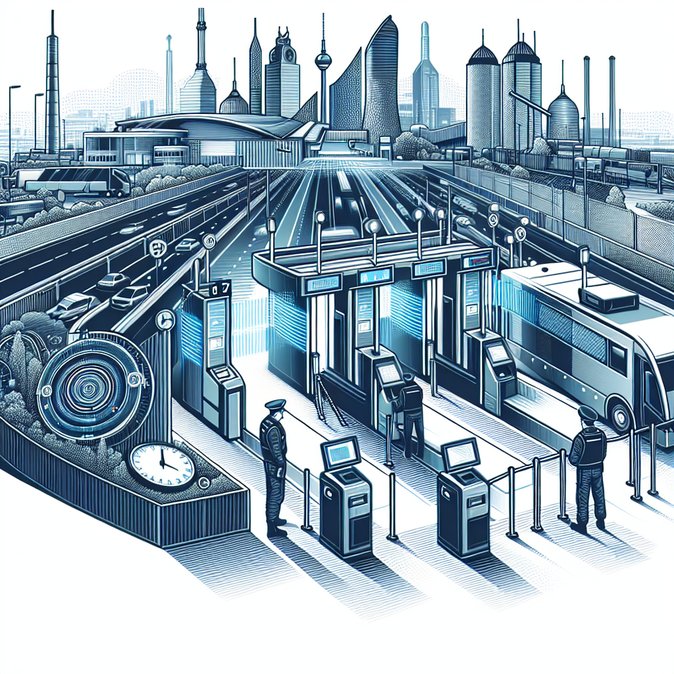
Poland’s interior ministry revealed on 7 March that the EU’s new biometric Entry/Exit System (EES) has already enabled border guards to turn away more than 6,400 travellers who failed to meet legal entry conditions since its roll-out in October 2025. The figure—covering road, rail, air and sea crossings—was disclosed in an update aimed at showcasing the technology’s early impact.
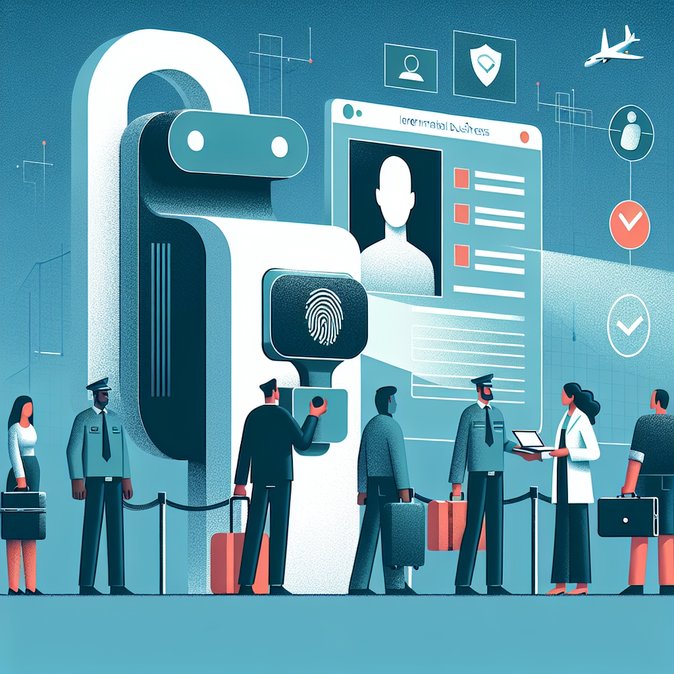
Under EES, nationals of non-EU countries have their facial image and fingerprints captured the first time they enter the Schengen Area, with each subsequent crossing checked against a central database for overstays, forged documents or multi-identity attempts. Officials say the automated alerts allow officers to focus resources on “complex cases,” slashing average primary inspection times by 20 percent even as scrutiny tightens.
According to the ministry, most refusals related to previous overstay records, invalid travel documents or attempts to enter on someone else’s passport. The data has also been shared with Europol, leading to 17 arrests linked to human-smuggling rings operating between the Balkans and Germany.
![Entry/Exit System helps Polish Border Guard refuse 6,400 inadmissible travellers]()
For employers moving third-country nationals into Poland, the statistics underscore the importance of Schengen-day counting and document validity checks: even a short overstay on an earlier tourist visit can now automatically trigger refusal of entry on a subsequent business trip. HR teams should add EES self-audit steps to pre-assignment checklists, including verifying biometric registration dates and keeping copies of exit stamps until the EU’s forthcoming ETIAS travel-authorisation system goes live.
Companies and individual travellers seeking practical help with these new compliance hurdles can turn to VisaHQ. The firm’s online platform and Warsaw-based specialists (https://www.visahq.com/poland/) offer real-time Schengen-day calculators, document reviews and courier services for visa renewals, reducing the risk of automated refusals triggered by EES data.
The ministry says further functionality—including real-time API feeds to airlines—will come online in May, after which carriers could face fines for boarding passengers flagged in EES as having exhausted their Schengen allowance.
Under EES, nationals of non-EU countries have their facial image and fingerprints captured the first time they enter the Schengen Area, with each subsequent crossing checked against a central database for overstays, forged documents or multi-identity attempts. Officials say the automated alerts allow officers to focus resources on “complex cases,” slashing average primary inspection times by 20 percent even as scrutiny tightens.
According to the ministry, most refusals related to previous overstay records, invalid travel documents or attempts to enter on someone else’s passport. The data has also been shared with Europol, leading to 17 arrests linked to human-smuggling rings operating between the Balkans and Germany.
For employers moving third-country nationals into Poland, the statistics underscore the importance of Schengen-day counting and document validity checks: even a short overstay on an earlier tourist visit can now automatically trigger refusal of entry on a subsequent business trip. HR teams should add EES self-audit steps to pre-assignment checklists, including verifying biometric registration dates and keeping copies of exit stamps until the EU’s forthcoming ETIAS travel-authorisation system goes live.
Companies and individual travellers seeking practical help with these new compliance hurdles can turn to VisaHQ. The firm’s online platform and Warsaw-based specialists (https://www.visahq.com/poland/) offer real-time Schengen-day calculators, document reviews and courier services for visa renewals, reducing the risk of automated refusals triggered by EES data.
The ministry says further functionality—including real-time API feeds to airlines—will come online in May, after which carriers could face fines for boarding passengers flagged in EES as having exhausted their Schengen allowance.