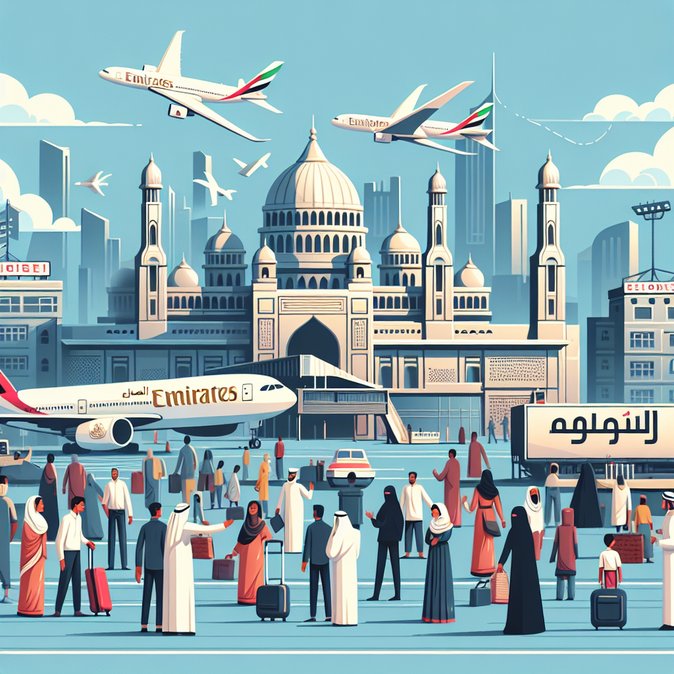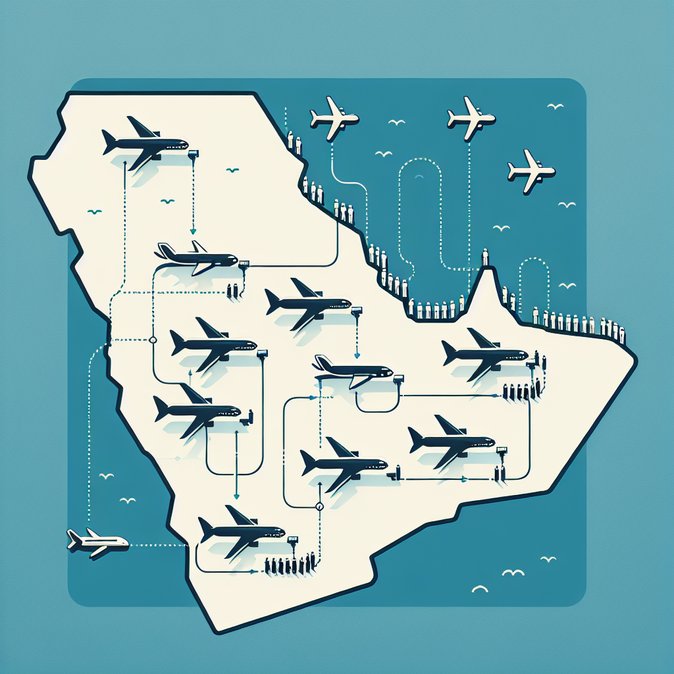
India’s Directorate-General of Civil Aviation (DGCA) disclosed on 7 March that a total of 52,360 passengers have been ferried home from the Gulf since hostilities erupted in West Asia on 28 February. According to DGCA data, 280 relief flights had operated up to 23:59 IST on 6 March—184 by Indian carriers, 85 by UAE airlines and 11 charters.
The numbers reflect an extraordinary week-long airlift mounted after widespread air-space closures across the Gulf left tens of thousands of Indians marooned in transit hubs such as Dubai, Abu Dhabi, Doha and Kuwait City. With scheduled services still suspended on most sectors, the DGCA has been clearing “ad-hoc” operations within hours, while embassies fast-track landing and over-flight permits with foreign regulators.
Indian carriers report that slots at Dubai and Abu Dhabi are the main bottleneck, as airport authorities there are prioritising evacuation movements and freight aircraft carrying vital supplies. To keep aircraft and crews legal, airlines are staging “triangular” routings—e.g., Mumbai-Muscat-Delhi—so that rest periods can be taken in Oman where hotels are readily available and security risks are minimal.
![Over 52,000 Indians air-lifted from the Gulf as DGCA ramps up evacuation flights]()
Beyond sheer seat supply, the regulator is also wrestling with price gouging. The Ministry of Civil Aviation has warned airlines that any surge fares above the notified cap (₹13,000 one-way for Gulf sectors under 4 hours) will attract penalties. DGCA inspectors have already issued show-cause notices to three online travel agencies for advertising fares of ₹62,000 on the Dubai–Delhi route.
In such uncertain circumstances, staying on top of documentation deadlines is just as critical as securing a seat. VisaHQ’s India portal (https://www.visahq.com/india/) lets individual travellers and corporate travel desks arrange emergency visa extensions, transit permits and passport renewals online, streamlining paperwork while flights and evacuation charters are being juggled. The service’s real-time tracking and dedicated support desks can shave days off consular turnaround times, adding a valuable layer to any crisis-response toolkit.
For global mobility managers, the episode underscores the importance of multi-country contingency planning. Indian firms with large Gulf footprints—IT services, construction and retail chains—are now instructing travelling staff to retain multiple passports where eligible (e.g., OCI, PIO, third-country residence) and to book fully refundable tickets on alternative hubs such as Muscat or Ras al Khaimah. Employers have also revived pandemic-era SOPs such as “virtual on-arrival” briefing calls and mandatory travel insurance riders covering conflict evacuation.
With regional tensions still simmering, the DGCA says the near-term focus is on maximising lift rather than restoring normal schedules. If the current tempo continues, aviation analysts estimate that the backlog of stranded Indian nationals could be cleared within another five to seven days, provided no further air-space closures are announced.
The numbers reflect an extraordinary week-long airlift mounted after widespread air-space closures across the Gulf left tens of thousands of Indians marooned in transit hubs such as Dubai, Abu Dhabi, Doha and Kuwait City. With scheduled services still suspended on most sectors, the DGCA has been clearing “ad-hoc” operations within hours, while embassies fast-track landing and over-flight permits with foreign regulators.
Indian carriers report that slots at Dubai and Abu Dhabi are the main bottleneck, as airport authorities there are prioritising evacuation movements and freight aircraft carrying vital supplies. To keep aircraft and crews legal, airlines are staging “triangular” routings—e.g., Mumbai-Muscat-Delhi—so that rest periods can be taken in Oman where hotels are readily available and security risks are minimal.

Beyond sheer seat supply, the regulator is also wrestling with price gouging. The Ministry of Civil Aviation has warned airlines that any surge fares above the notified cap (₹13,000 one-way for Gulf sectors under 4 hours) will attract penalties. DGCA inspectors have already issued show-cause notices to three online travel agencies for advertising fares of ₹62,000 on the Dubai–Delhi route.
In such uncertain circumstances, staying on top of documentation deadlines is just as critical as securing a seat. VisaHQ’s India portal (https://www.visahq.com/india/) lets individual travellers and corporate travel desks arrange emergency visa extensions, transit permits and passport renewals online, streamlining paperwork while flights and evacuation charters are being juggled. The service’s real-time tracking and dedicated support desks can shave days off consular turnaround times, adding a valuable layer to any crisis-response toolkit.
For global mobility managers, the episode underscores the importance of multi-country contingency planning. Indian firms with large Gulf footprints—IT services, construction and retail chains—are now instructing travelling staff to retain multiple passports where eligible (e.g., OCI, PIO, third-country residence) and to book fully refundable tickets on alternative hubs such as Muscat or Ras al Khaimah. Employers have also revived pandemic-era SOPs such as “virtual on-arrival” briefing calls and mandatory travel insurance riders covering conflict evacuation.
With regional tensions still simmering, the DGCA says the near-term focus is on maximising lift rather than restoring normal schedules. If the current tempo continues, aviation analysts estimate that the backlog of stranded Indian nationals could be cleared within another five to seven days, provided no further air-space closures are announced.