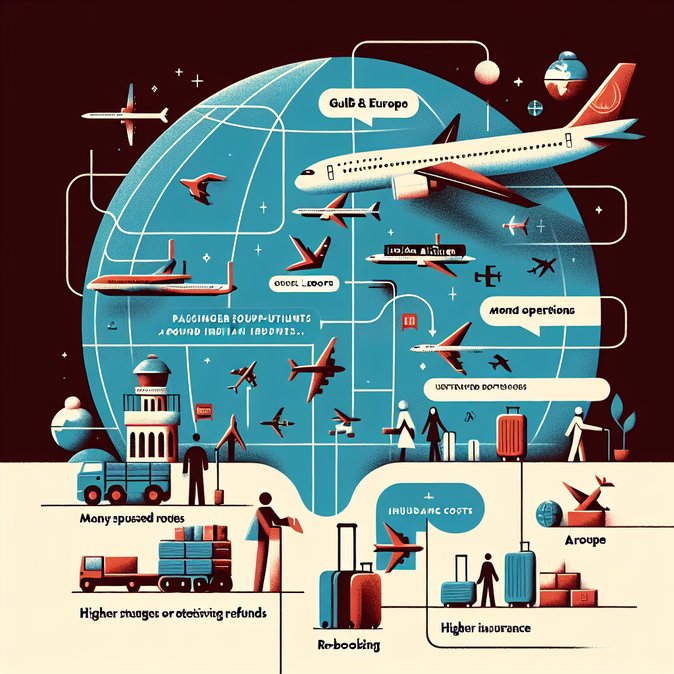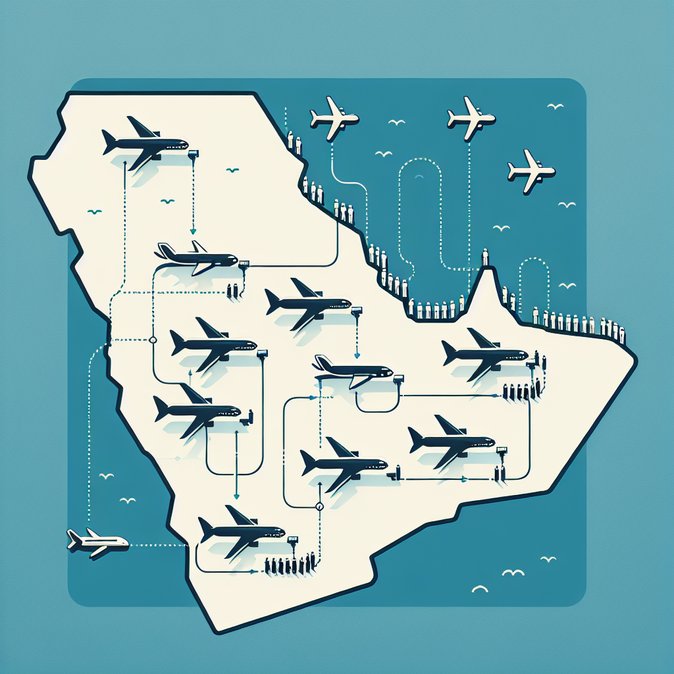
India is moving from ad-hoc rescue flights to a more systematic Phase-2 evacuation plan, government sources told India Today on 7 March. Airlines, the Ministry of Civil Aviation and the Ministry of External Affairs have drawn up a list of "safe airports"—Muscat, Fujairah, Ras al Khaimah, Jeddah, Riyadh and Abu Dhabi—from which stranded nationals will be consolidated and flown home.
Amid these logistical complexities, travellers can streamline their documentation through VisaHQ, which offers end-to-end visa and passport assistance for India-bound passengers and their families (https://www.visahq.com/india/). By handling paperwork online and coordinating with embassies, the platform reduces last-minute snags, letting evacuees and HR managers focus on transport arrangements rather than consular queues.
The concept mirrors Operation Vande Bharat (the COVID repatriation programme) but is far more agile: carriers will use narrow-body jets that can turn around in under 60 minutes, while diplomatic missions arrange secure surface transfers from still-closed hubs such as Doha and Kuwait City to the designated airports.
![Government short-lists ‘safe airports’ as India plans second-phase Gulf evacuation]()
Officials said around 14,992 Indians had already been evacuated by 5 March; the new hub-and-spoke model could double daily lift without over-burdening any single Gulf facility. Crucially, the plan also aims to cap airfares by pooling capacity across airlines, thereby spreading fixed costs.
For employers, the mechanism offers clarity: HR teams can instruct travellers to reach the nearest safe airport rather than wait for their original ticket to be restored. Large IT and construction firms are dispatching company buses from project sites in Qatar and Bahrain to Saudi Arabia’s Salwa land-border so staff can board Riyadh flights.
Industry watchers say the arrangement could become a template for future geopolitical contingencies, positioning Indian carriers—and India’s diplomatic network—as first responders for diaspora crises worldwide.
Amid these logistical complexities, travellers can streamline their documentation through VisaHQ, which offers end-to-end visa and passport assistance for India-bound passengers and their families (https://www.visahq.com/india/). By handling paperwork online and coordinating with embassies, the platform reduces last-minute snags, letting evacuees and HR managers focus on transport arrangements rather than consular queues.
The concept mirrors Operation Vande Bharat (the COVID repatriation programme) but is far more agile: carriers will use narrow-body jets that can turn around in under 60 minutes, while diplomatic missions arrange secure surface transfers from still-closed hubs such as Doha and Kuwait City to the designated airports.

Officials said around 14,992 Indians had already been evacuated by 5 March; the new hub-and-spoke model could double daily lift without over-burdening any single Gulf facility. Crucially, the plan also aims to cap airfares by pooling capacity across airlines, thereby spreading fixed costs.
For employers, the mechanism offers clarity: HR teams can instruct travellers to reach the nearest safe airport rather than wait for their original ticket to be restored. Large IT and construction firms are dispatching company buses from project sites in Qatar and Bahrain to Saudi Arabia’s Salwa land-border so staff can board Riyadh flights.
Industry watchers say the arrangement could become a template for future geopolitical contingencies, positioning Indian carriers—and India’s diplomatic network—as first responders for diaspora crises worldwide.