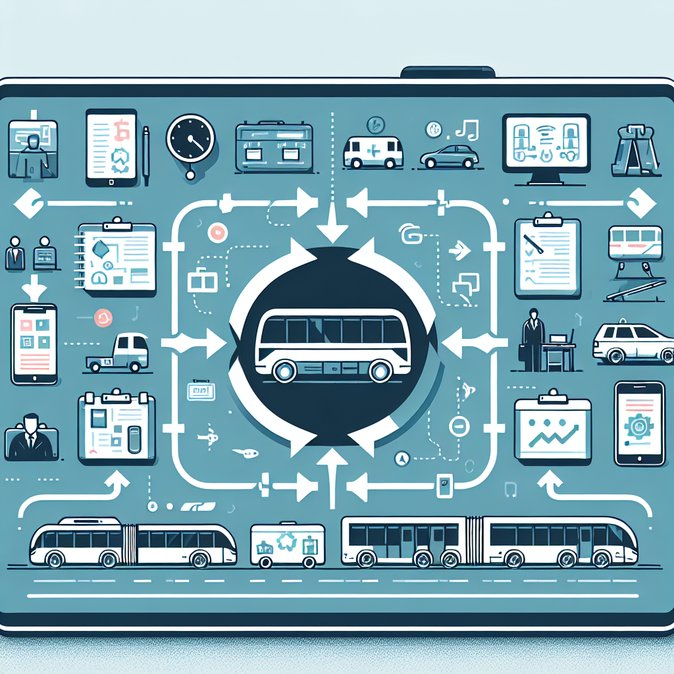
Spain’s state rail operator Renfe confirmed on 7 March that it will launch a majority-private bus company to provide seamless replacement services whenever track works, weather damage or accidents suspend train operations. The new venture, budgeted at €61.5 million, will start with 50–100 modern coaches branded Renfe Bus and staffed by dedicated drivers trained in rail-to-road contingency procedures.
Today Renfe relies on ad-hoc contracts with external bus firms—a model the company says costs up to €13 million a year, limits seat availability and fragments passenger information channels. By internalising capacity, Renfe projects lifetime savings of €90–130 million over the first decade and, more importantly, faster mobilisation. Control centres will be able to dispatch substitute buses within 45 minutes of a disruption, issuing combined rail-and-road e-tickets that keep through-fares intact.
![Renfe creates dedicated bus subsidiary to keep travellers moving during rail works and disruptions]()
The move comes as Spain embarks on the most intensive infrastructure-upgrade programme in a generation. Major works on the Madrid–Barcelona and Mediterranean corridors will require periodic line closures, while climate-driven storms already forced lengthy diversions on the Madrid–Málaga AVE earlier this year. For business travellers and assignees shuttling between regional offices, predictable alternatives are critical to meeting project deadlines and duty-of-care obligations.
For international passengers heading to Spain to take advantage of this bolstered rail-and-road network, ensuring the right entry paperwork is just as important as securing a seat. VisaHQ’s online platform (https://www.visahq.com/spain/) streamlines visa applications for Spain and many other destinations, offering fast digital processing and live support so travel plans stay on schedule even when trains don’t.
Corporate travel managers should update passenger briefings to include Renfe Bus pickup points and amended service-level agreements. Multinationals with mobility agreements can also negotiate block allocations on affected dates to guarantee seats for employees. Renfe says the bus fleet will feature onboard Wi-Fi, USB charging and real-time tracking integrated into the Renfe app, providing continuity of service quality even when rails go dark.
Today Renfe relies on ad-hoc contracts with external bus firms—a model the company says costs up to €13 million a year, limits seat availability and fragments passenger information channels. By internalising capacity, Renfe projects lifetime savings of €90–130 million over the first decade and, more importantly, faster mobilisation. Control centres will be able to dispatch substitute buses within 45 minutes of a disruption, issuing combined rail-and-road e-tickets that keep through-fares intact.

The move comes as Spain embarks on the most intensive infrastructure-upgrade programme in a generation. Major works on the Madrid–Barcelona and Mediterranean corridors will require periodic line closures, while climate-driven storms already forced lengthy diversions on the Madrid–Málaga AVE earlier this year. For business travellers and assignees shuttling between regional offices, predictable alternatives are critical to meeting project deadlines and duty-of-care obligations.
For international passengers heading to Spain to take advantage of this bolstered rail-and-road network, ensuring the right entry paperwork is just as important as securing a seat. VisaHQ’s online platform (https://www.visahq.com/spain/) streamlines visa applications for Spain and many other destinations, offering fast digital processing and live support so travel plans stay on schedule even when trains don’t.
Corporate travel managers should update passenger briefings to include Renfe Bus pickup points and amended service-level agreements. Multinationals with mobility agreements can also negotiate block allocations on affected dates to guarantee seats for employees. Renfe says the bus fleet will feature onboard Wi-Fi, USB charging and real-time tracking integrated into the Renfe app, providing continuity of service quality even when rails go dark.
More From Spain
View all
Passport stamping ends: Schengen Entry/Exit System goes live, Spanish airports brace for teething pains

Spain launches Electronic Register of Immigration Collaborators, ushering in fully-digital visa processing