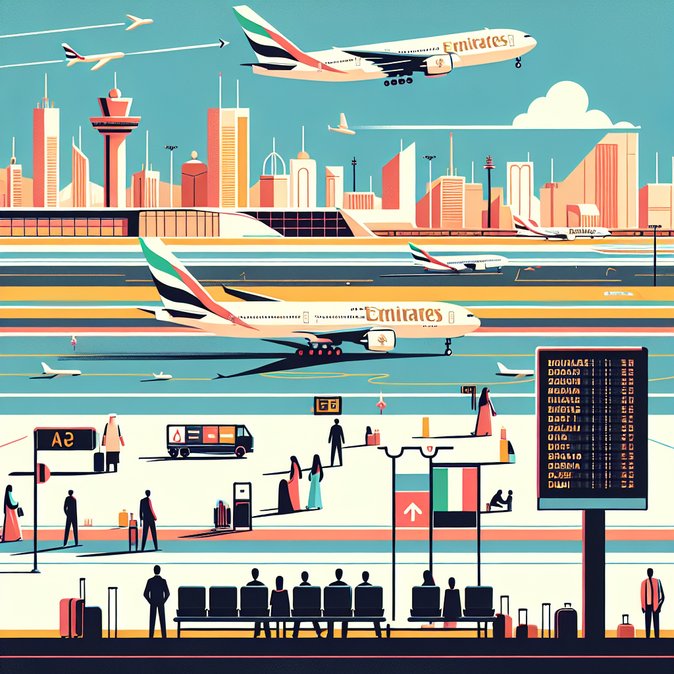
After a tense nine days of air-space uncertainty sparked by hostilities in Iran, Brazil’s largest international gateway is gradually reconnecting São Paulo to the Gulf. The GRU Airport authority confirmed on 8 March 2026 that a first Emirates service to Dubai departed the previous night, signalling a cautious restart of the 57 flights that had been cancelled since 28 February. Qatar Airways, however, is keeping its Doha operation on hold pending fresh over-flight assurances. The interruption stranded more than 9 000 passengers, many of them Brazilian expatriate oil-and-gas personnel and corporate buyers heading to Arab Health Week. Travel-risk consultants cite the episode as a reminder that geopolitical flashpoints can abruptly sever long-haul supply chains: companies with rotational staff in the Gulf should diversify routings via Europe or Africa and maintain visa flexibility for alternative hubs such as Madrid or Addis Ababa.
![Guarulhos resumes limited Middle-East flights after week-long conflict-related grounding]()
At this point, many travellers find themselves juggling last-minute paperwork for multiple jurisdictions; VisaHQ’s online platform (https://www.visahq.com/brazil/) streamlines that process by securing expedited visas, transit permits and e-authorisations for more than 200 destinations, allowing corporate mobility managers to redeploy staff quickly when flight paths shift unexpectedly.
Under ANAC rules, airlines must offer re-routing or reimbursement within seven days when cancellations are caused by external security events. Legal advisers warn that a surge of compensation claims could test the relatively new Montreal Convention framework that Brazil adopted in 2024, especially if passengers argue that carriers were slow to communicate. GRU Airport has set up a multilingual help-desk in Terminal 3 and is urging travellers to check NOTAMs and Ministry of Foreign Affairs travel advisories before proceeding to the airport. Freight forwarders report that high-value pharmaceuticals have been shifted to freighter flights via Frankfurt until capacity normalises, adding cost pressure to Brazilian importers.

At this point, many travellers find themselves juggling last-minute paperwork for multiple jurisdictions; VisaHQ’s online platform (https://www.visahq.com/brazil/) streamlines that process by securing expedited visas, transit permits and e-authorisations for more than 200 destinations, allowing corporate mobility managers to redeploy staff quickly when flight paths shift unexpectedly.
Under ANAC rules, airlines must offer re-routing or reimbursement within seven days when cancellations are caused by external security events. Legal advisers warn that a surge of compensation claims could test the relatively new Montreal Convention framework that Brazil adopted in 2024, especially if passengers argue that carriers were slow to communicate. GRU Airport has set up a multilingual help-desk in Terminal 3 and is urging travellers to check NOTAMs and Ministry of Foreign Affairs travel advisories before proceeding to the airport. Freight forwarders report that high-value pharmaceuticals have been shifted to freighter flights via Frankfurt until capacity normalises, adding cost pressure to Brazilian importers.
More From Brazil
View all
Torrential rain collapses perimeter wall at São Paulo Congonhas Airport, forcing mass flight cancellations
Panama apologises after detaining and deporting ex-minister Franklin Martins during airport transit