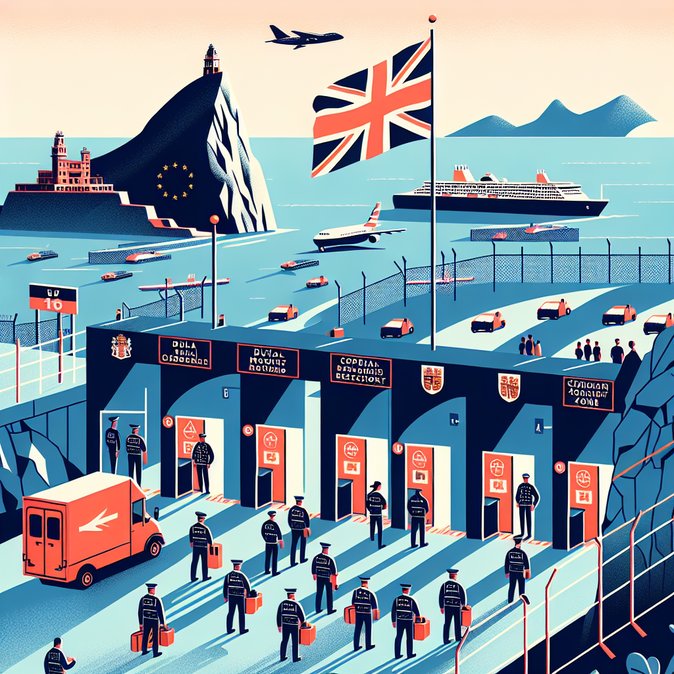
Travel and Tour World details mounting operational chaos at major Spanish gateways, with Madrid-Barajas and Barcelona-El Prat already seeing queues of up to two hours for first-time biometric enrolment. Aviation bodies ACI Europe, Airlines for Europe and IATA warn that without a summer derogation, waits could exceed four hours and spill into terminal forecourts.(travelandtourworld.com)
Spain’s tourism sector—11 % of GDP—faces reputational risk as airlines contemplate schedule padding and crew-duty re-calculations. Tour operators have begun reallocating charter slots to early-morning windows when kiosk capacity is higher. Corporate travel managers should advise executives to build extra dwell time into itineraries, particularly those connecting onward to Latin America.
The Interior Ministry insists additional kiosks will be live by 1 April and that National Police staffing levels were increased 12 % in February. Yet unions claim training lags behind hardware installation, and any technical outage forces a reversion to manual stamping, negating efficiency gains.
![Industry Sounds Alarm as EES Roll-Out Triggers Border Gridlock at Spanish Airports]()
For travelers who want to minimize the impact of these delays, VisaHQ can assist by securing the correct travel documents and offering personalized entry guidance well before departure. Their Spain-specific portal (https://www.visahq.com/spain/) provides real-time updates on biometric and visa requirements, optional concierge handling, and tracking tools—services that can make the airport experience far less stressful for corporate road warriors and leisure visitors alike.
Businesses relocating staff to Spain—or routing them through its hubs—should consider premium-fast-track packages that Aena plans to expand. HR should also brief travellers on privacy: biometric data is retained for three years and shared across all Schengen states, raising data-protection questions for US or UK citizens unaccustomed to long-term storage.
While no cancellations have been linked directly to EES, rising missed-connection claims could hit travel budgets. Insurers may soon exclude EES-related delays, so companies should verify policy wording.
Spain’s tourism sector—11 % of GDP—faces reputational risk as airlines contemplate schedule padding and crew-duty re-calculations. Tour operators have begun reallocating charter slots to early-morning windows when kiosk capacity is higher. Corporate travel managers should advise executives to build extra dwell time into itineraries, particularly those connecting onward to Latin America.
The Interior Ministry insists additional kiosks will be live by 1 April and that National Police staffing levels were increased 12 % in February. Yet unions claim training lags behind hardware installation, and any technical outage forces a reversion to manual stamping, negating efficiency gains.
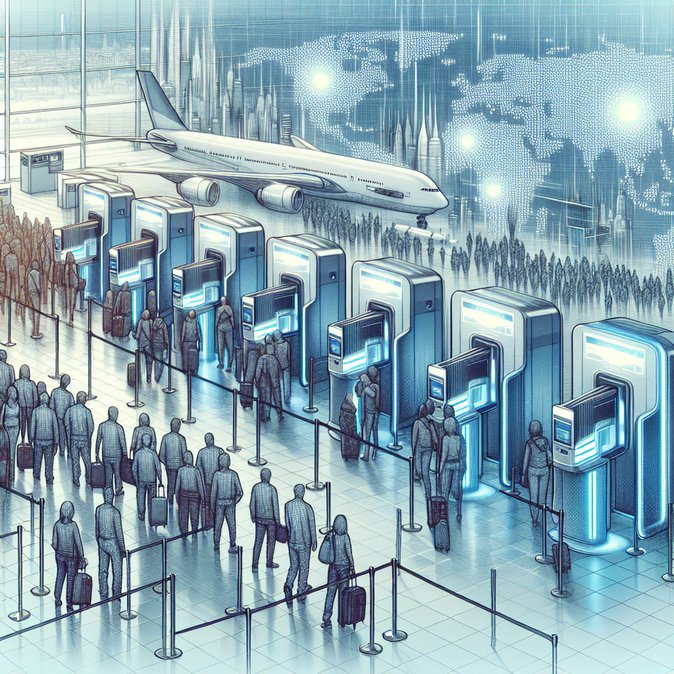
For travelers who want to minimize the impact of these delays, VisaHQ can assist by securing the correct travel documents and offering personalized entry guidance well before departure. Their Spain-specific portal (https://www.visahq.com/spain/) provides real-time updates on biometric and visa requirements, optional concierge handling, and tracking tools—services that can make the airport experience far less stressful for corporate road warriors and leisure visitors alike.
Businesses relocating staff to Spain—or routing them through its hubs—should consider premium-fast-track packages that Aena plans to expand. HR should also brief travellers on privacy: biometric data is retained for three years and shared across all Schengen states, raising data-protection questions for US or UK citizens unaccustomed to long-term storage.
While no cancellations have been linked directly to EES, rising missed-connection claims could hit travel budgets. Insurers may soon exclude EES-related delays, so companies should verify policy wording.