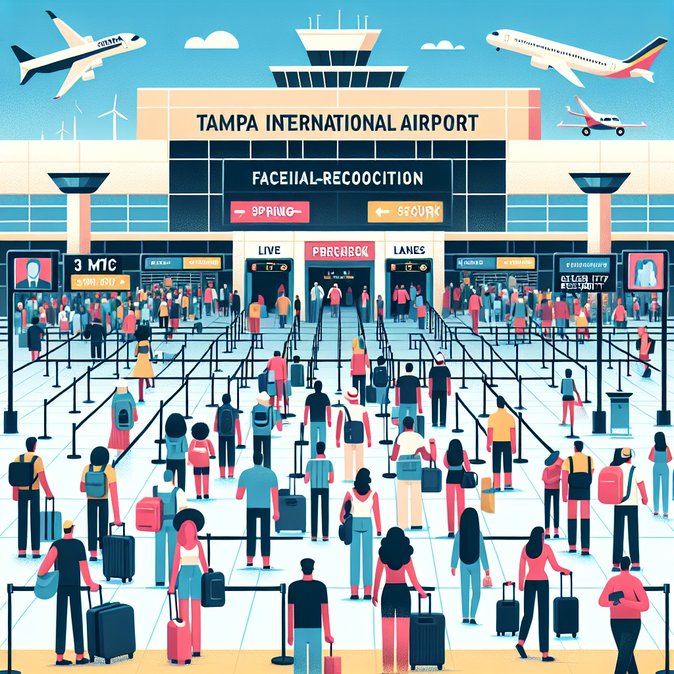
Spring break is big business, and Tampa International Airport (TPA) is determined not to repeat last year’s snarl of 90-minute security lines. In a 5 March press briefing, the airport unveiled a package of upgrades designed to move an expected three million passengers smoothly through its terminals between now and 13 April.
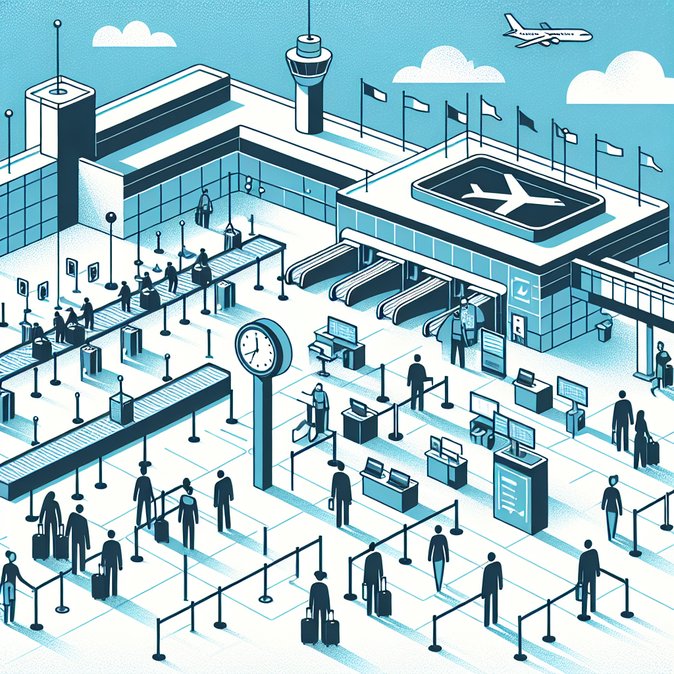
Key measures include TSA PreCheck Touchless ID podiums that verify travellers via facial recognition matched to their passport photos, expanded real-time security-line displays throughout the airport, and new airside shuttles to spread passenger volume more evenly across four concourses. TPA is also piloting Enhanced Passenger Processing for arriving international flights—a biometric exit/re-entry system that has cut inspection times by 30 percent in trials at Dallas–Fort Worth and Miami.
![Tampa International Rolls Out Biometrics and Live Queue Data Ahead of 3 Million Spring-Break Travellers]()
Travelers looking to make sure their documents keep pace with TPA’s faster lines can use VisaHQ’s online platform to handle U.S. visa, passport and REAL ID needs ahead of time. With step-by-step digital applications and live support, the service (https://www.visahq.com/united-states/) helps flyers avoid paperwork pitfalls so they can take full advantage of the airport’s new efficiency gains.
For mobility managers the improvements mean tighter connection windows and shorter paid layovers are more viable when routing staff through TPA. Airport officials still urge flyers to arrive two hours early for domestic departures and three for international, but they note that booking parking online and pre-ordering meals via Uber Eats can shave additional minutes off the journey.
The upgrade push underscores a broader U.S. trend: airports are racing to add queue-management tech and self-service biometrics before next summer’s national REAL ID enforcement deadline. Companies with large travel footprints should review preferred-airport lists and educate employees on registration requirements for CLEAR, PreCheck and Global Entry.
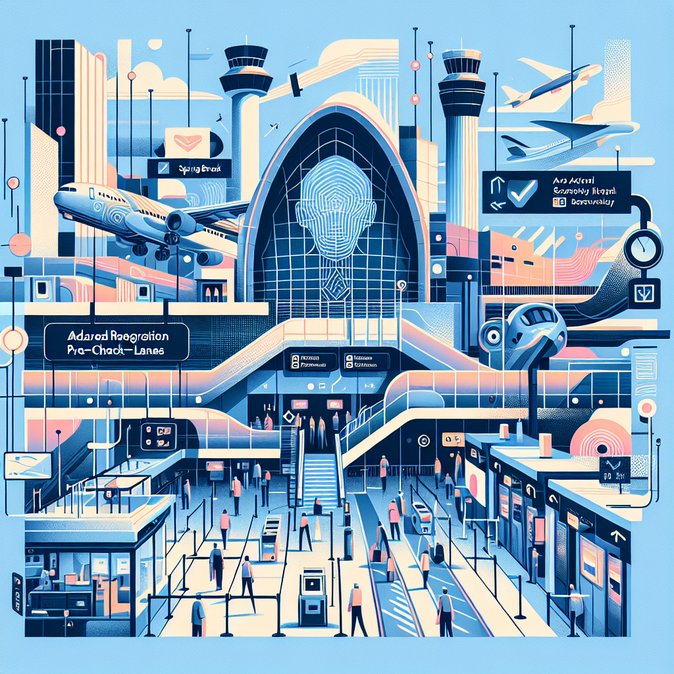
Key measures include TSA PreCheck Touchless ID podiums that verify travellers via facial recognition matched to their passport photos, expanded real-time security-line displays throughout the airport, and new airside shuttles to spread passenger volume more evenly across four concourses. TPA is also piloting Enhanced Passenger Processing for arriving international flights—a biometric exit/re-entry system that has cut inspection times by 30 percent in trials at Dallas–Fort Worth and Miami.
Travelers looking to make sure their documents keep pace with TPA’s faster lines can use VisaHQ’s online platform to handle U.S. visa, passport and REAL ID needs ahead of time. With step-by-step digital applications and live support, the service (https://www.visahq.com/united-states/) helps flyers avoid paperwork pitfalls so they can take full advantage of the airport’s new efficiency gains.
For mobility managers the improvements mean tighter connection windows and shorter paid layovers are more viable when routing staff through TPA. Airport officials still urge flyers to arrive two hours early for domestic departures and three for international, but they note that booking parking online and pre-ordering meals via Uber Eats can shave additional minutes off the journey.
The upgrade push underscores a broader U.S. trend: airports are racing to add queue-management tech and self-service biometrics before next summer’s national REAL ID enforcement deadline. Companies with large travel footprints should review preferred-airport lists and educate employees on registration requirements for CLEAR, PreCheck and Global Entry.