Almost a year after Spain scrapped its property-based Golden Visa, IMI Daily used the anniversary—6 March 2026—to publish an in-depth look at the alternatives still open to non-EU nationals who want to live and work in Spain. The article confirms that Organic Law 1/2025 permanently repealed real-estate investment residency, closing the door on "buy-to-reside" permits that had issued more than 14,000 cards since 2013. Yet, as IMI notes, "the door is not locked, just relocated."
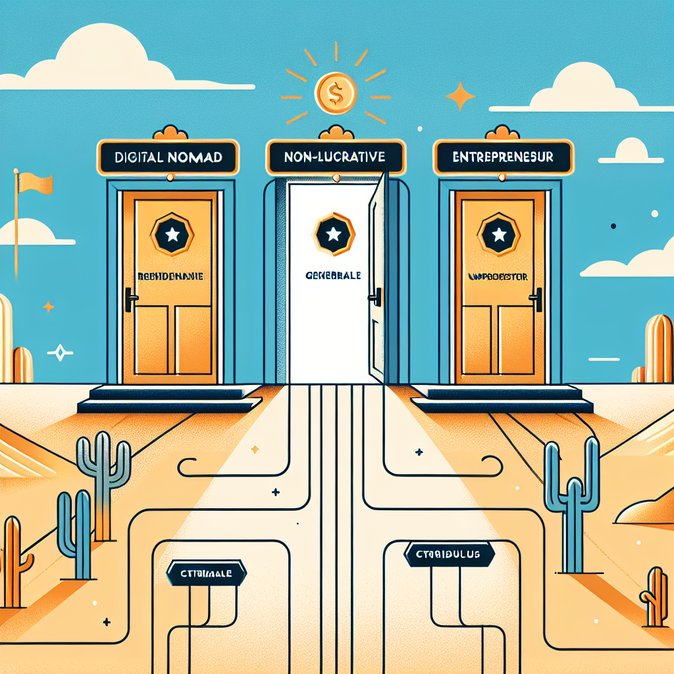
1. Digital Nomad Visa (DNV): Introduced under the 2023 Start-up Law, the DNV now requires proof of €2,849 monthly income (200 percent of the 2026 minimum wage) plus private health insurance. Holders can opt into the six-year Beckham-Law tax regime, paying a flat 24 percent on Spanish earnings while sheltering most foreign income.
For applicants weighing these routes, VisaHQ can streamline the paperwork and appointment scheduling: its Spain hub (https://www.visahq.com/spain/) tracks every update to the Digital Nomad, Non-Lucrative, and Entrepreneur visas and offers hands-on assistance from seasoned visa specialists, cutting guesswork out of the residency process.
![After the Golden Visa: Three Residency Paths Spaniards-in-Waiting Should Know]()
2. Non-Lucrative Visa: Aimed at retirees and passive-income holders, this route sets a financial floor of €28,800 per year and bars remote work. From 2025, residents must spend at least 183 days a year in Spain to maintain status.
3. Entrepreneur Visa: For founders with innovative business plans vetted by ENISA, this permit grants an initial three-year residency and access to Beckham-Law benefits. Processing times—once the ENISA report is secured—average 20 working days, among the fastest in Spain’s system.
For employers, the loss of the Golden Visa means senior executives will need salary-based or entrepreneurial solutions; mobility teams should audit packages against the new income thresholds. Property brokers, meanwhile, are pivoting to "home-plus-visa" bundles built around the DNV or non-lucrative categories, though these require a stronger physical-presence commitment than the old programme.
1. Digital Nomad Visa (DNV): Introduced under the 2023 Start-up Law, the DNV now requires proof of €2,849 monthly income (200 percent of the 2026 minimum wage) plus private health insurance. Holders can opt into the six-year Beckham-Law tax regime, paying a flat 24 percent on Spanish earnings while sheltering most foreign income.
For applicants weighing these routes, VisaHQ can streamline the paperwork and appointment scheduling: its Spain hub (https://www.visahq.com/spain/) tracks every update to the Digital Nomad, Non-Lucrative, and Entrepreneur visas and offers hands-on assistance from seasoned visa specialists, cutting guesswork out of the residency process.

2. Non-Lucrative Visa: Aimed at retirees and passive-income holders, this route sets a financial floor of €28,800 per year and bars remote work. From 2025, residents must spend at least 183 days a year in Spain to maintain status.
3. Entrepreneur Visa: For founders with innovative business plans vetted by ENISA, this permit grants an initial three-year residency and access to Beckham-Law benefits. Processing times—once the ENISA report is secured—average 20 working days, among the fastest in Spain’s system.
For employers, the loss of the Golden Visa means senior executives will need salary-based or entrepreneurial solutions; mobility teams should audit packages against the new income thresholds. Property brokers, meanwhile, are pivoting to "home-plus-visa" bundles built around the DNV or non-lucrative categories, though these require a stronger physical-presence commitment than the old programme.