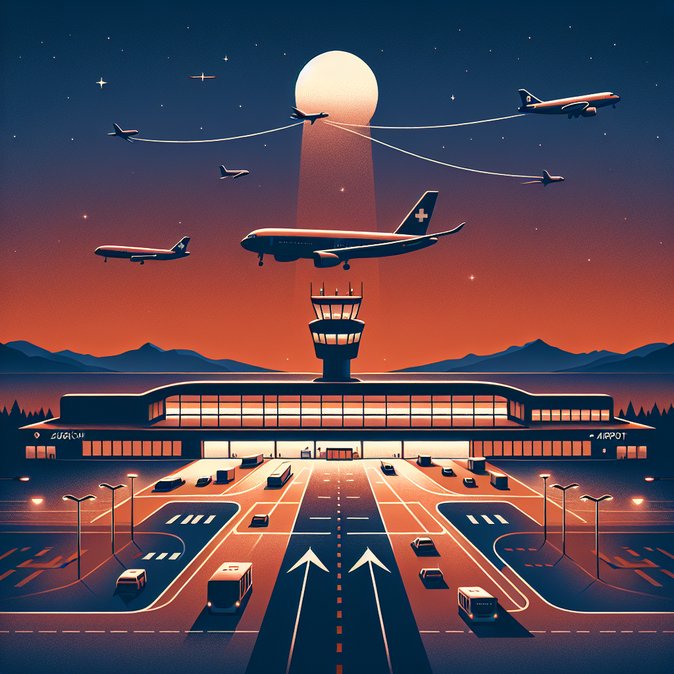
Corporate pilots may not be the only ones burning the midnight oil around Zurich next week. Flughafen Zürich AG has announced that its semi-annual navigation-aid calibration programme will run from 9 to 17 March, with additional slots reserved on 1–2 April should weather intervene. Using a twin-engine Beechcraft King Air 350 laden with precision measurement equipment, Skyguide technicians will fly a lattice of approaches to test Instrument-Landing Systems (ILS) and VOR/DME beacons on runways 16/34 and 14/32.
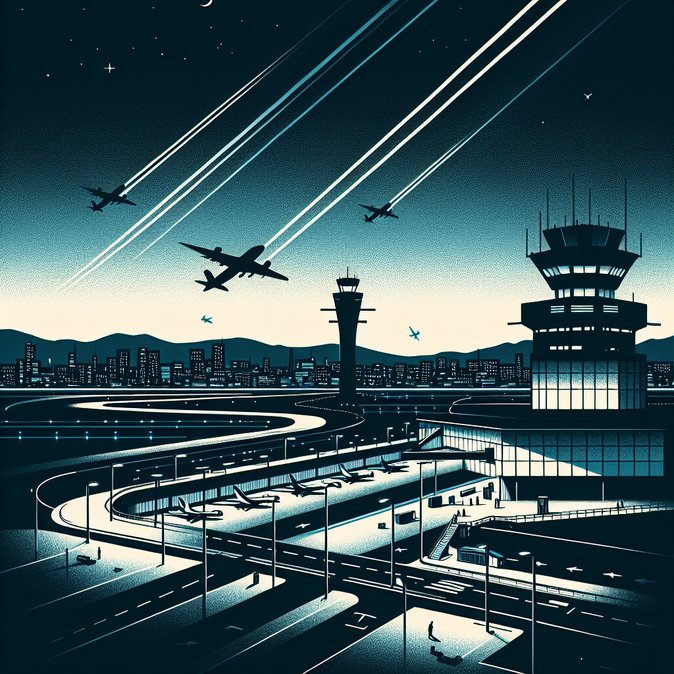
Because the procedure requires passes above, below and beside the published glide paths, residents in districts as far afield as Winterthur and Rapperswil may notice low-flying aircraft outside normal corridors, sometimes after midnight. Flughafen Zürich says all work will finish by 02:00 local at the latest and that the next routine checks are not due until late summer. Additional validation flights in late April will certify revisions to the north-approach procedure on runway 16, a change mandated by updated ICAO obstacle-clearance criteria.
For airlines, the testing window means occasional short closures of individual ILS categories, forcing approaches under alternate minima or prompting brief holding patterns. Global-mobility teams moving VIPs or time-critical cargo should therefore build extra buffer into schedules during the affected evenings. Ground-handling agents have been told to expect minor taxi-route alterations, while private-aviation operators must consult daily NOTAMs that will list rolling restrictions.
![Zurich Airport schedules week-long night-time calibration flights, warns of alternative flight paths]()
International flight departments, especially those dispatching crews or passengers to Zurich on short notice, may also need rapid visa assistance. VisaHQ’s Switzerland portal (https://www.visahq.com/switzerland/) provides up-to-date entry requirements, electronic authorisations and expedited courier options, ensuring paperwork doesn’t add turbulence to already complex operational planning.
Noise-sensitive communities have long criticised the timing of calibration flights, but the airport argues that post-midnight slots minimise commercial disruption. A 2025 study by ETH Zürich found that shifting similar checks to daylight hours would have cost airlines CHF 2.7 million in diversions and fuel. The airport’s stakeholder forum will meet in April to review feedback and examine whether new satellite-based approaches (RNP AR) could reduce the frequency of ground-based ILS maintenance in future.
While the exercise is technical in nature, it serves as a reminder that safe, predictable operations—the backbone of Switzerland’s export-driven economy—depend on invisible infrastructure that must occasionally intrude into the night sky.
Because the procedure requires passes above, below and beside the published glide paths, residents in districts as far afield as Winterthur and Rapperswil may notice low-flying aircraft outside normal corridors, sometimes after midnight. Flughafen Zürich says all work will finish by 02:00 local at the latest and that the next routine checks are not due until late summer. Additional validation flights in late April will certify revisions to the north-approach procedure on runway 16, a change mandated by updated ICAO obstacle-clearance criteria.
For airlines, the testing window means occasional short closures of individual ILS categories, forcing approaches under alternate minima or prompting brief holding patterns. Global-mobility teams moving VIPs or time-critical cargo should therefore build extra buffer into schedules during the affected evenings. Ground-handling agents have been told to expect minor taxi-route alterations, while private-aviation operators must consult daily NOTAMs that will list rolling restrictions.
International flight departments, especially those dispatching crews or passengers to Zurich on short notice, may also need rapid visa assistance. VisaHQ’s Switzerland portal (https://www.visahq.com/switzerland/) provides up-to-date entry requirements, electronic authorisations and expedited courier options, ensuring paperwork doesn’t add turbulence to already complex operational planning.
Noise-sensitive communities have long criticised the timing of calibration flights, but the airport argues that post-midnight slots minimise commercial disruption. A 2025 study by ETH Zürich found that shifting similar checks to daylight hours would have cost airlines CHF 2.7 million in diversions and fuel. The airport’s stakeholder forum will meet in April to review feedback and examine whether new satellite-based approaches (RNP AR) could reduce the frequency of ground-based ILS maintenance in future.
While the exercise is technical in nature, it serves as a reminder that safe, predictable operations—the backbone of Switzerland’s export-driven economy—depend on invisible infrastructure that must occasionally intrude into the night sky.