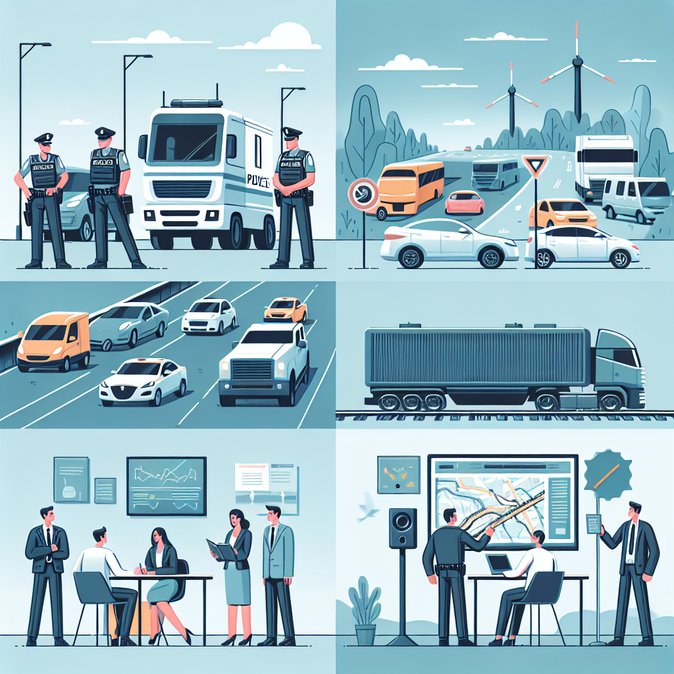
Cross-border mobility between Italy and Switzerland faces extra friction this week as the Canton of Ticino conducts intensive mobile speed checks from 2 to 8 March 2026. The initiative, flagged in a 6 March update by specialist portal Frontaliere Ticino, covers virtually every major road leading from Lombardy into Mendrisio, Lugano, Locarno and Bellinzona. Swiss traffic law is unforgiving: exceed the 50 km/h urban limit by 16 km/h and you risk a criminal record and a three-month licence suspension. Fines are enforceable across borders, and unpaid penalties can trigger debt-collection orders or, in extreme cases, vehicle seizure on subsequent entry. The Cantonal Police warn that mobile laser units are being redeployed hourly, making crowd-sourced radar-alert apps unreliable. For the roughly 80,000 Italian «frontalieri» who cross into Ticino daily, the crackdown is more than a road-safety campaign. Losing a Swiss licence can jeopardise work-permit renewals because cantonal migration offices treat serious traffic offences as a breach of «good conduct» requirements.
![Ticino police launch week-long speed blitz at border crossings, targeting 80,000 Italian commuters]()
If you’re unsure how a traffic infraction—or any change in personal circumstances—might affect your right to live or work in Switzerland, VisaHQ can guide you through the paperwork. The service’s Swiss portal (https://www.visahq.com/switzerland/) consolidates visa categories, permit extensions and document checklists in one place, making it easier for cross-border commuters and HR teams to stay compliant with cantonal regulations.
Employers with posted workers therefore risk sudden labour-shortage headaches if staff are barred from driving company vehicles. Global-mobility teams are advising cross-border staff to leave home 15 minutes earlier, stick rigidly to posted limits and keep Swiss fine-payment references on record to avoid late-fee surcharges. Some firms are temporarily shifting meetings to early afternoon to reduce morning peak pressure. Relocation consultants also note that public-transport season tickets qualify for preferential tax treatment in both Italy and Switzerland, providing a financial incentive to switch modes during the blitz. Cantonal authorities hint the exercise could become a monthly fixture if accident figures fall, suggesting that compliance with Swiss traffic norms will remain a key component of cross-border assignment planning.
If you’re unsure how a traffic infraction—or any change in personal circumstances—might affect your right to live or work in Switzerland, VisaHQ can guide you through the paperwork. The service’s Swiss portal (https://www.visahq.com/switzerland/) consolidates visa categories, permit extensions and document checklists in one place, making it easier for cross-border commuters and HR teams to stay compliant with cantonal regulations.
Employers with posted workers therefore risk sudden labour-shortage headaches if staff are barred from driving company vehicles. Global-mobility teams are advising cross-border staff to leave home 15 minutes earlier, stick rigidly to posted limits and keep Swiss fine-payment references on record to avoid late-fee surcharges. Some firms are temporarily shifting meetings to early afternoon to reduce morning peak pressure. Relocation consultants also note that public-transport season tickets qualify for preferential tax treatment in both Italy and Switzerland, providing a financial incentive to switch modes during the blitz. Cantonal authorities hint the exercise could become a monthly fixture if accident figures fall, suggesting that compliance with Swiss traffic norms will remain a key component of cross-border assignment planning.