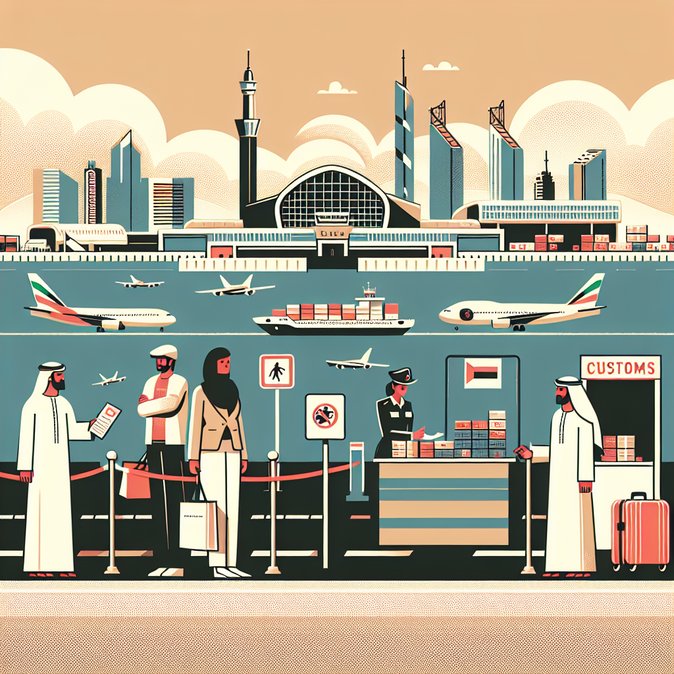
Global freight forwarder Expeditors issued an operational bulletin on 6 March showing the broader mobility picture beyond passenger travel. According to the update, air, sea and customs operations in both Dubai and Abu Dhabi remain in “restricted” (amber) status, with only controlled cargo, repositioning and repatriation flights authorised. The report confirms that a small number of Emirates belly-hold services and dedicated freighters are clearing urgent medical and electronics shipments, while Etihad Cargo is piggy-backing on the passenger restart announced the same day. However, capacity is severely rationed and subject to last-minute cancellation depending on air-corridor approvals. For compliance managers, the bulletin is a reminder that customs release times have lengthened and some high-risk commodities now require additional security documentation. Importers should expect longer dwell times at bonded warehouses and factor potential demurrage into project budgets. Immigration service providers say the operational colour-coding mirrors government back-office functions: visa stamping desks at DXB and AUH are open but short-staffed, and courier deliveries of passports to free-zone clients are moving sluggishly due to road checkpoints.
![Cargo, customs and visa processing still ‘restricted’ in UAE as supply-chain provider issues 6 March alert]()
If your organisation needs real-time guidance on UAE entry rules amid these shifting protocols, VisaHQ can streamline the process by securing e-visas, organising courier pick-ups and monitoring status updates through one dashboard. Their dedicated UAE page (https://www.visahq.com/united-arab-emirates/) centralises current embassy alerts and processing times, letting mobility teams focus on routing decisions rather than paperwork bottlenecks.
The practical takeaway for multinational firms is to maintain split-routing strategies—sending urgent personnel via the limited commercial flights now available, while diverting time-sensitive cargo through Muscat or Jeddah until UAE infrastructure moves to “green” status. Mobility and supply-chain teams should also brief travellers on possible spot-checks and the need to carry hard copies of work permits, as electronic validation systems have experienced intermittent outages.

If your organisation needs real-time guidance on UAE entry rules amid these shifting protocols, VisaHQ can streamline the process by securing e-visas, organising courier pick-ups and monitoring status updates through one dashboard. Their dedicated UAE page (https://www.visahq.com/united-arab-emirates/) centralises current embassy alerts and processing times, letting mobility teams focus on routing decisions rather than paperwork bottlenecks.
The practical takeaway for multinational firms is to maintain split-routing strategies—sending urgent personnel via the limited commercial flights now available, while diverting time-sensitive cargo through Muscat or Jeddah until UAE infrastructure moves to “green” status. Mobility and supply-chain teams should also brief travellers on possible spot-checks and the need to carry hard copies of work permits, as electronic validation systems have experienced intermittent outages.