UK Publishes Sweeping Statement of Changes HC 1691 Overhauling Immigration Rules
Canada Quietly Launches One-Time TR-to-PR Pathway for 33,000 Temporary Workers
Australia Launches Standardised Visa Timelines and Real-Time Tracking Portal
Latest News

Higher Pay Floors Take Effect for All Irish Employment Permits
Minimum-salary thresholds for all classes of Irish Employment Permit increased on 1 March 2026, and advocacy group MRCI issued detailed guidance on 6 March. Employers must now pay at least €36,605 for General permits and €40,904 for Critical Skills. Mobility managers should review current salaries and adjust budgeting for new hires to avoid permit refusals.

USCIS Explains How the New Wage-Weighted H-1B Lottery Will Work for the March 2026 Cap Season
On March 6 USCIS released operational guidance for the first ever wage-weighted H-1B lottery, confirming that higher OES wage levels will receive more chances in the March 2026 selection. Employers now have under ten days to finalize wage data for registrations, and may raise salaries strategically to improve odds. The change forces new compliance and budgeting decisions for global mobility and talent acquisition teams.

France to Hike All Key Immigration Fees from May 2026
A decree published on 6 March confirms that all French immigration fees will rise sharply from 1 May 2026 (e.g., first-time residence cards €300, naturalisation fee €255). The Finance Ministry says the hike aligns France with EU averages and funds digital upgrades, but NGOs warn it could price out vulnerable migrants. Businesses should expect a filing surge before the deadline and higher mobility budgets thereafter.

Emirates says it will restore 100 % of its global network ‘within days’ as UAE airspace re-opens
Emirates said on 6 March it will restore 100 % of its global route network within days, after operating only a reduced schedule since the 28 February airspace closure. Key capacity is being redeployed to the UK, India and the United States, but passengers must have confirmed bookings before going to the airport. The rapid rebound is vital for businesses that rely on Dubai’s hub for mobility, yet travel managers are advised to keep contingency plans in place should security deteriorate again.

EU Justice & Home Affairs Council in Brussels zeroes in on migrant returns and Schengen security
EU interior ministers met in Brussels on 5–6 March to fine-tune the Migration Pact, reinforce Schengen governance and toughen return rules. Belgium championed a ‘visa-for-returns’ mechanism and bi-annual Schengen reviews, signalling higher compliance demands for companies moving staff within Europe. The Council also discussed security implications of Middle-East tensions. Mobility managers should prepare for more frequent document checks and tighter timelines once the Pact takes effect in June 2026.

Czech Supreme Administrative Court Widens Eligibility for Ukrainian Temporary Protection
On 6 March 2026 the Czech Supreme Administrative Court upheld lower-court findings that a Ukrainian student who left Ukraine before 24 February 2022 but returned and reapplied for Temporary Protection in 2025 still meets EU and Czech eligibility rules. The precedent removes doubt over thousands of similar cases and gives employers confidence when extending contracts for TP holders.
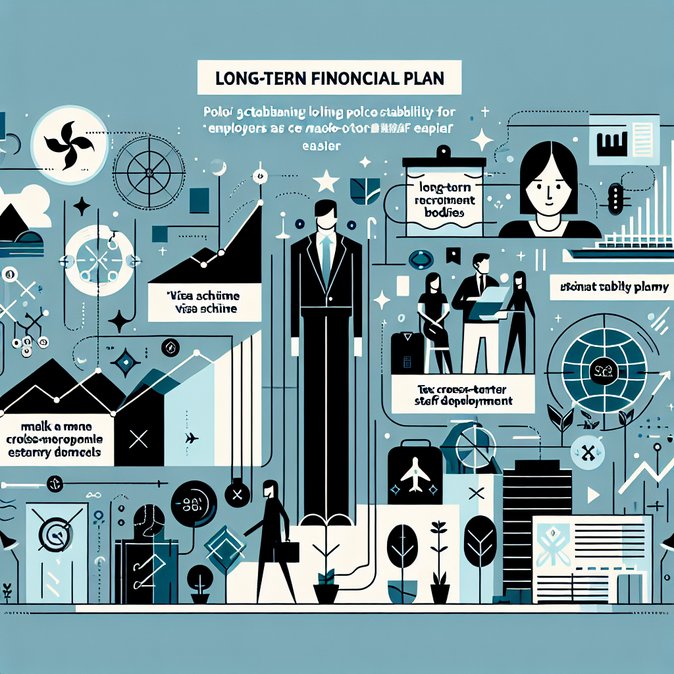
Hong Kong 2026-27 Budget doubles down on talent attraction and cross-border expansion
A detailed post-budget analysis highlights how Hong Kong’s 2026-27 financial plan expands visa schemes, introduces new talent-recruitment bodies and layers on tax incentives to make cross-border staff deployment easier. The package signals long-term policy stability for employers moving people or capital through the SAR.
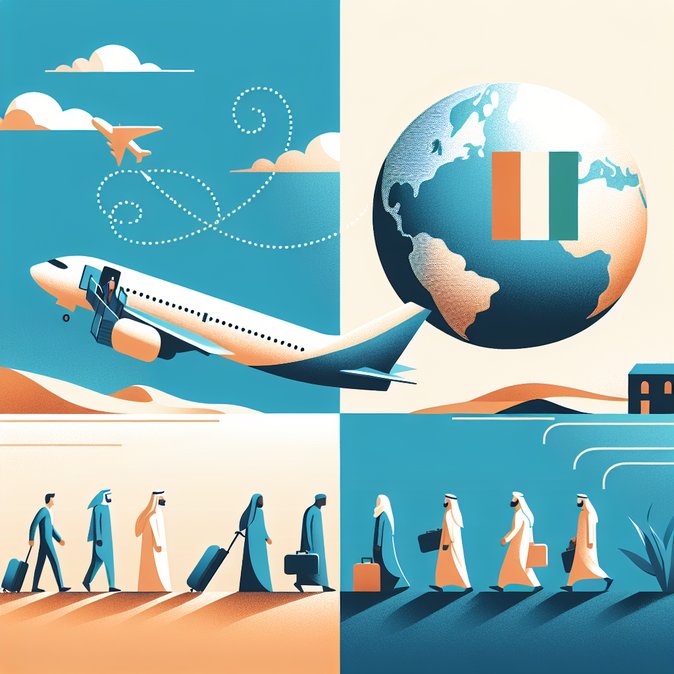
Irish Government Coordinates Airlift for Citizens Caught in Gulf Conflict
The Department of Foreign Affairs mounted three assisted-departure flights from the Gulf on 6 March 2026, bringing home Irish citizens stranded by an unexpected regional conflict. More than 18,000 nationals requested help; those still in-country are being advised to use newly restored commercial services. The episode highlights the need for robust corporate travel-risk planning and may accelerate discussion about a permanent Irish evacuation capability.

First-Ever Express Entry Draw for Senior Managers Sets CRS Cut-Off at 429
IRCC’s first category-based Express Entry draw for senior managers issued 250 ITAs with a surprisingly low CRS cut-off of 429. The new stream targets four C-suite NOC codes and aims to retain leadership talent already working in Canada—good news for employers seeking long-term stability for foreign executives.

Merz warns Middle-East war could trigger new refugee wave toward Germany
On 6 March, Chancellor Merz said a collapse of Iran could send a new wave of refugees to Europe and vowed to press allies to avoid such an outcome. Berlin also announced €100 million in aid for Lebanon to contain displacement. Linking foreign policy to migration control underscores that Germany’s visa environment could tighten quickly if the Middle-East war escalates.
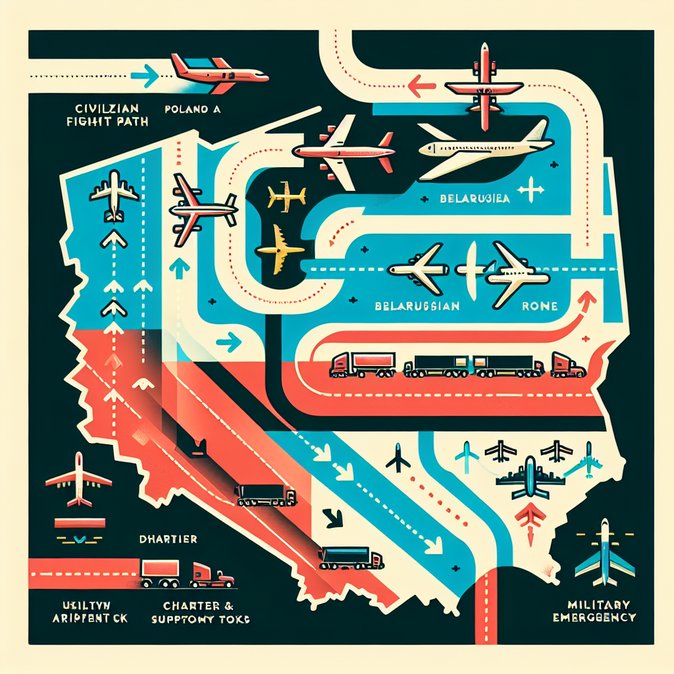
Poland closes eastern airspace at night for three months amid regional tensions
Issued on 6 March 2026, a Polish NOTAM bans most civilian flights below 3,000 m along the Ukrainian and Belarusian borders from 10 March to 9 June. The night-time curfew is meant to bolster air-defence awareness and prioritise military and emergency aircraft. Airlines at typical cruise altitudes are unaffected, but charter, drone and GA operations face detours, with knock-on effects for business-travel schedules and supply chains.

278 India-linked international flights cancelled on 6 March as Middle-East war reshapes aviation lanes
MoCA data show that 278 India-linked international flights were cancelled on 6 March after Gulf air-space shutdowns. The disruption is inflating travel costs, forcing cargo reroutes and triggering war-risk insurance surcharges—directly impacting Indian companies that rely on fast Gulf and onward European connectivity.
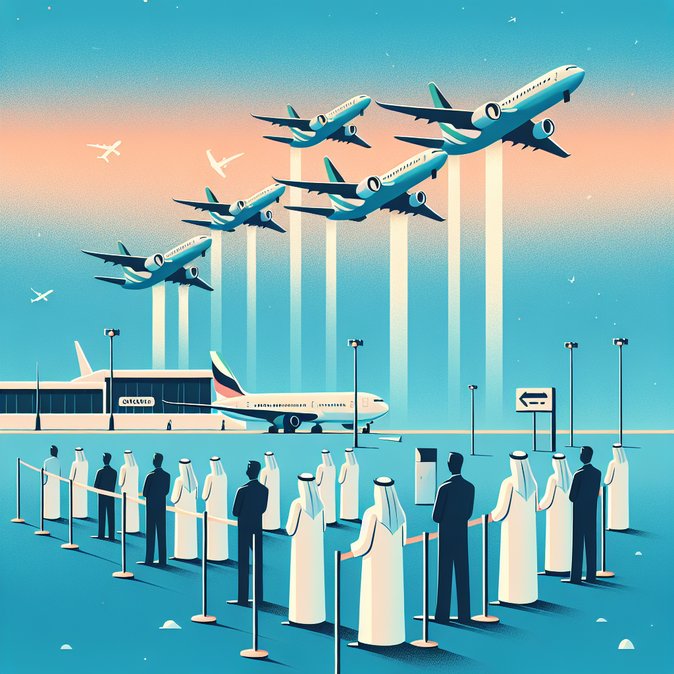
UAE flight status on 6 March: limited services resume on Emirates, Etihad, flydubai and Air Arabia
Gulf News’ 6 March round-up shows all four UAE airlines back in the air, albeit on sharply reduced schedules. Airports remain access-controlled and passengers must hold confirmed tickets. Businesses should treat the resumption as a soft-re-opening: seats are scarce, routings can still change, and cargo capacity is tight.
Foreign Ministry issues expanded Middle-East travel warning, operates fourth repatriation flight
Austria’s Foreign Ministry raised a fresh travel alert on 6 March 2026, maintaining Level 6 ‘do not travel’ warnings for 10 Middle-East states and coordinating a fourth charter flight from Abu Dhabi. With 17,480 citizens still registered in the crisis zone, firms must update duty-of-care protocols, reroute essential travel and prepare for stricter screening on arrival at Vienna Airport. Additional evacuation flights remain possible if Gulf airspace disruptions continue.
Belgium charters four flights to repatriate 565 nationals from Middle-East hotspots
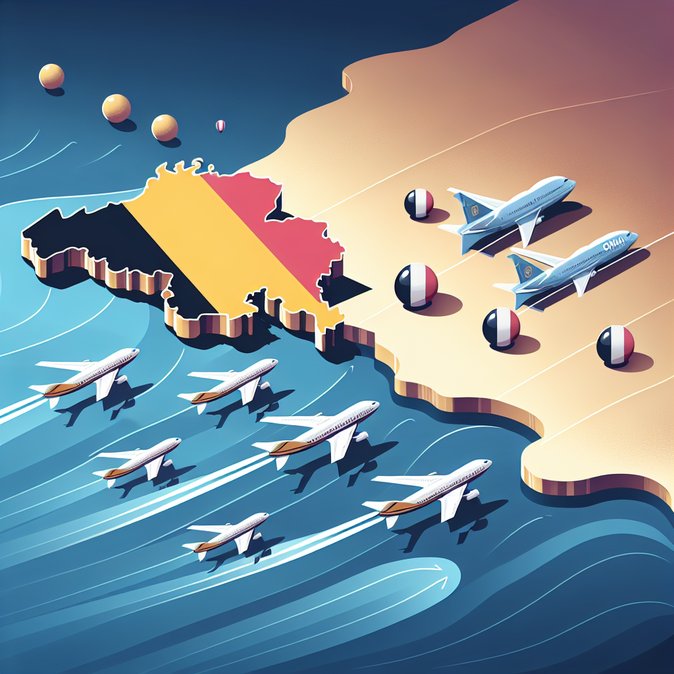
Belgium has lined up four government-backed flights on 8–9 March to extract 565 citizens from Oman and the UAE as Middle-East security deteriorates. The ad-hoc air-bridge shows Belgium’s improved crisis-response capacity and highlights the need for corporates to maintain precise location data on travelling staff and dependants.

Portugal scraps postal visa filings for Brazilians, making in-person appointments mandatory from 17 April
Portugal will no longer accept visa applications by post from Brazilian nationals. From 17 April 2026 all Schengen and national-visa applicants must appear in person at VFS Global centres or Portuguese consular posts, a move aimed at curbing fraud and cutting delays but one that adds cost and planning complexity for employers and travellers. ([theportugalnews.com](https://www.theportugalnews.com/news/2026-03-10/portugal-ends-postal-visa-applications-for-brazilians/987803))

China ramps up emergency response, schedules extra flights to bring home citizens stranded by Middle-East conflict
China’s Foreign Ministry said on March 6 that national airlines have restarted flights to the UAE, Oman and Saudi Arabia and stand ready to mount further charters after safely air-lifting nearly 300 citizens from Dubai. Consular hotlines, a green channel for emergency passports and a suspension of organised tours are part of a Level-II response to the Middle-East conflict. The measures show Beijing’s growing capacity to protect mobile citizens and signal potential disruption for corporate mobility programmes.