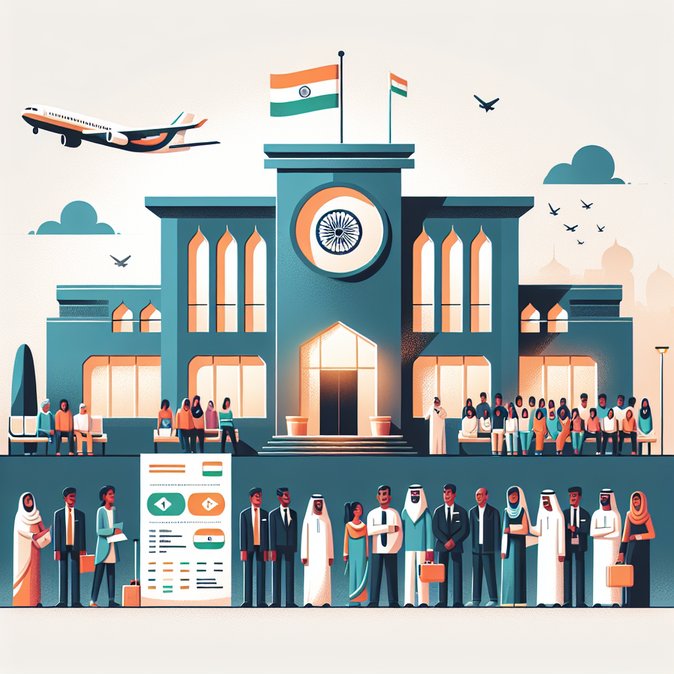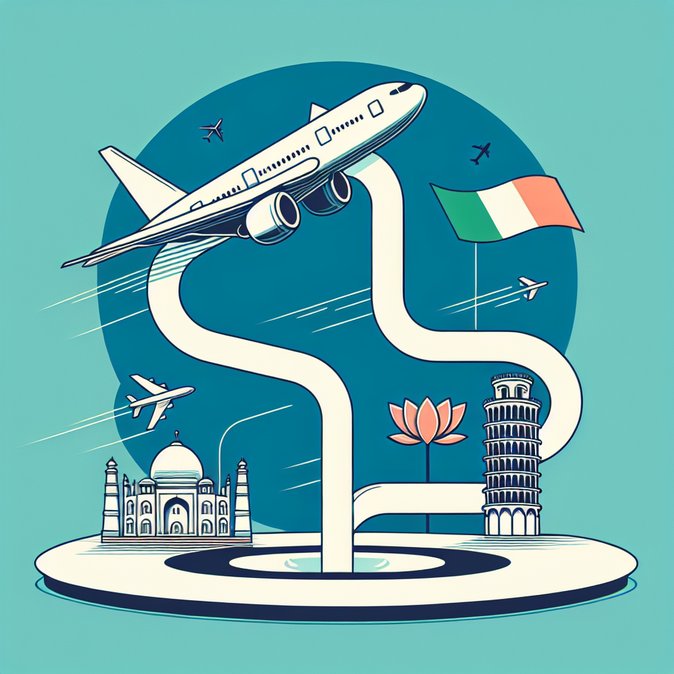
The Consulate General of India in Milan issued a short but significant public advisory on 5 March, alerting Indian nationals in northern Italy to “ongoing flight disruptions” caused by the West Asia conflict and encouraging them to verify schedules directly with carriers. The notice confirmed that Air India had restarted services to India the same day and listed helpline numbers for ticket re-issuance or full refunds. While Italy itself is not in the conflict zone, most India-bound flights from Europe overfly Gulf corridors.
![Consulate in Milan urges Indians to monitor airlines as Europe-India links restart]()
At moments like this, VisaHQ can be an invaluable back-up: its online platform (https://www.visahq.com/india/) lets individuals and corporate travel teams reschedule India visa appointments, track application status in real time and obtain updated entry requirements, reducing the administrative scramble that often follows mass flight cancellations.
The closures forced last-minute cancellations out of Milan Malpensa and Rome Fiumicino, stranding Indian business travellers, students and textile buyers attending pre-Easter trade fairs. Several travellers reported on social media that they discovered their flights were cancelled only upon arriving at the airport. The advisory recommends passengers sign up for airline SMS alerts and track FlightRadar24 before heading to the airport—a best practice global mobility teams can formalise in their travel-risk SOPs. It also reminds travellers that EU261 compensation rules do not apply when cancellations are linked to extraordinary geopolitical events, so reimbursement may be limited to rebooking or refunds. For companies rotating engineers between Lombardy’s pharmaceutical plants and Indian R&D hubs, the message is clear: build slack into rotation cycles, pre-book refundable hotel rooms and, where possible, route staff via Paris or Frankfurt until traffic normalises. Immigration timelines may also be impacted if employees miss appointments at Indian visa outsourcing centres in Italy. The consulate said it will continue to post updates on its website and X (formerly Twitter). Mobility managers should integrate these channels into real-time alert systems to avoid information gaps.
At moments like this, VisaHQ can be an invaluable back-up: its online platform (https://www.visahq.com/india/) lets individuals and corporate travel teams reschedule India visa appointments, track application status in real time and obtain updated entry requirements, reducing the administrative scramble that often follows mass flight cancellations.
The closures forced last-minute cancellations out of Milan Malpensa and Rome Fiumicino, stranding Indian business travellers, students and textile buyers attending pre-Easter trade fairs. Several travellers reported on social media that they discovered their flights were cancelled only upon arriving at the airport. The advisory recommends passengers sign up for airline SMS alerts and track FlightRadar24 before heading to the airport—a best practice global mobility teams can formalise in their travel-risk SOPs. It also reminds travellers that EU261 compensation rules do not apply when cancellations are linked to extraordinary geopolitical events, so reimbursement may be limited to rebooking or refunds. For companies rotating engineers between Lombardy’s pharmaceutical plants and Indian R&D hubs, the message is clear: build slack into rotation cycles, pre-book refundable hotel rooms and, where possible, route staff via Paris or Frankfurt until traffic normalises. Immigration timelines may also be impacted if employees miss appointments at Indian visa outsourcing centres in Italy. The consulate said it will continue to post updates on its website and X (formerly Twitter). Mobility managers should integrate these channels into real-time alert systems to avoid information gaps.