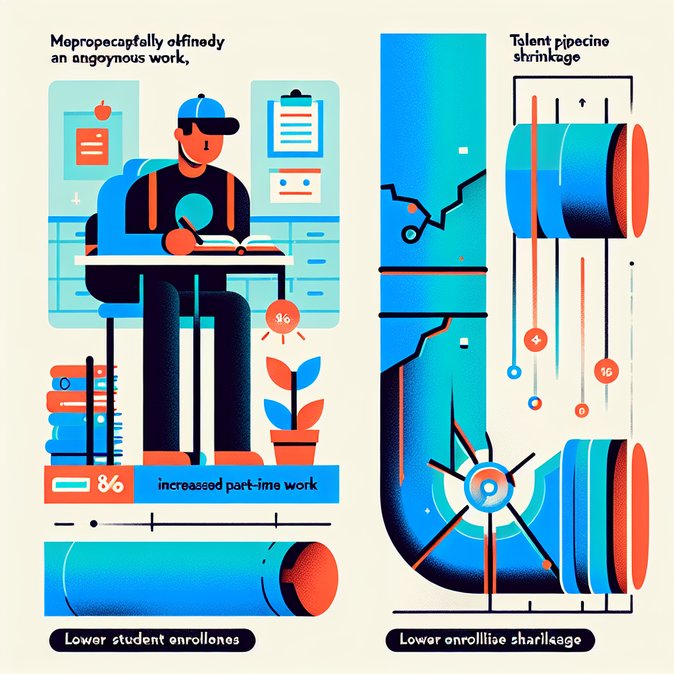
Australian universities are grappling with a wave of student-visa refusals citing the availability of “comparable courses” in applicants’ home countries—a ground colloquially known as the home-country study clause. On 5 March 2026 sector sources told Mobility News that approval rates for Bangladesh, Nepal and India have fallen as low as 50-70 %, compared with more than 90 % only six months ago. Officials say the tougher stance follows a December 2025 integrity bill aimed at curbing misuse of the student route after a surge in applications from South Asia.
![‘Home-Country Study’ Clause Triggers Spike in Student-Visa Refusals]()
Amid this tightening landscape, professional assistance can make a difference. VisaHQ’s dedicated Australian page (https://www.visahq.com/australia/) offers step-by-step guidance, document checking and secure online submission, helping students, agents and institutional staff keep pace with the latest Genuine Student criteria and other visa categories.
Assistant Minister for International Education Julian Hill defended the policy as necessary quality control, insisting genuine applicants will still succeed. Universities counter that the refusal language is inconsistently applied and often ignores genuine academic rationales for overseas study. They warn protracted appeals—costing AU$3,580 each—could deter high-calibre students and erode Australia’s competitive edge. For mobility teams the key takeaway is higher documentary standards. Prospective students must show why Australian study is essential despite similar programs at home, and education agents should prepare for more detailed Genuine Student assessments. Employers relying on the Graduate 485 pipeline may see fewer graduates entering the labour market over the next two years if refusal rates persist.

Amid this tightening landscape, professional assistance can make a difference. VisaHQ’s dedicated Australian page (https://www.visahq.com/australia/) offers step-by-step guidance, document checking and secure online submission, helping students, agents and institutional staff keep pace with the latest Genuine Student criteria and other visa categories.
Assistant Minister for International Education Julian Hill defended the policy as necessary quality control, insisting genuine applicants will still succeed. Universities counter that the refusal language is inconsistently applied and often ignores genuine academic rationales for overseas study. They warn protracted appeals—costing AU$3,580 each—could deter high-calibre students and erode Australia’s competitive edge. For mobility teams the key takeaway is higher documentary standards. Prospective students must show why Australian study is essential despite similar programs at home, and education agents should prepare for more detailed Genuine Student assessments. Employers relying on the Graduate 485 pipeline may see fewer graduates entering the labour market over the next two years if refusal rates persist.