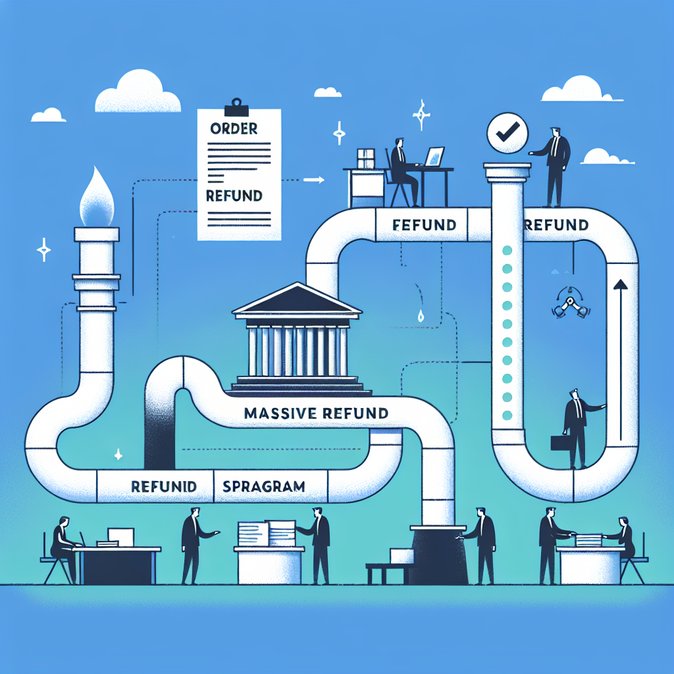
In a landmark order dated March 4, 2026, the U.S. Court of International Trade (CIT) directed Customs and Border Protection (CBP) to liquidate all unliquidated import entries "without regard to" the International Emergency Economic Powers Act (IEEPA) duties imposed by the Trump Administration in 2025. The order also instructs CBP to reliquidate any entry whose liquidation is not yet final and to refund the disputed tariffs with interest. More than US$142 billion in duties are at stake. The decision follows the Supreme Court’s February 20 ruling that the president exceeded his statutory authority when he used IEEPA to levy across-the-board tariffs. Importers have already filed more than 2,000 CIT cases to preserve refund rights.
![Court of International Trade orders CBP to reliquidate entries without IEEPA tariffs]()
Companies that need to dispatch trade-compliance staff to U.S. ports or headquarters on short notice can streamline their travel arrangements through VisaHQ’s digital visa-processing service (https://www.visahq.com/united-states/). The platform accelerates B-1 business visa applications, manages passport renewals, and tracks shifting entry rules, allowing supply-chain and legal teams to focus on securing tariff refunds instead of navigating consular red tape.
CBP’s declaration to the court outlines an Automated Commercial Environment (ACE) process: importers will upload entry lists, ACE will recalculate duties, and Treasury will issue ACH refunds—an operation CBP says will take at least 45 days to build and months to execute for 70 million eligible entries. On March 6 the CIT partially stayed its own order “to the extent it directs immediate compliance,” pending further conferences. Nevertheless, trade-compliance teams should begin consolidating entry data, ensure ACE portal access and verify ACH refund enrollment. Business impact: supply-chain budgets for 2026 may see unexpected duty windfalls, but companies must account for interest income and potential government appeals. Logistics managers should also watch for retaliatory measures from trading partners. Practical checklist: • Download entry data and map IEEPA lines. • File protests close to the 180-day deadline until refund mechanics are finalized. • Update landed-cost models and cash-flow forecasts to reflect possible refunds.

Companies that need to dispatch trade-compliance staff to U.S. ports or headquarters on short notice can streamline their travel arrangements through VisaHQ’s digital visa-processing service (https://www.visahq.com/united-states/). The platform accelerates B-1 business visa applications, manages passport renewals, and tracks shifting entry rules, allowing supply-chain and legal teams to focus on securing tariff refunds instead of navigating consular red tape.
CBP’s declaration to the court outlines an Automated Commercial Environment (ACE) process: importers will upload entry lists, ACE will recalculate duties, and Treasury will issue ACH refunds—an operation CBP says will take at least 45 days to build and months to execute for 70 million eligible entries. On March 6 the CIT partially stayed its own order “to the extent it directs immediate compliance,” pending further conferences. Nevertheless, trade-compliance teams should begin consolidating entry data, ensure ACE portal access and verify ACH refund enrollment. Business impact: supply-chain budgets for 2026 may see unexpected duty windfalls, but companies must account for interest income and potential government appeals. Logistics managers should also watch for retaliatory measures from trading partners. Practical checklist: • Download entry data and map IEEPA lines. • File protests close to the 180-day deadline until refund mechanics are finalized. • Update landed-cost models and cash-flow forecasts to reflect possible refunds.