A rolling situation report published at 07:10 GST on 4 March 2026 by Khaleej Times confirmed that scheduled commercial flights at all UAE hubs remain broadly suspended. Emirates said its worldwide network will stay offline until at least 23:59 UAE time on 7 March, while Etihad pushed its restart target to 06:00 on 6 March.
![Flight-status Day 5: Emirates suspended until 7 March, Etihad until 6 March as GCAA limits UAE airspace to emergency corridors]()
For travellers now scrambling to re-route or adjust itineraries, VisaHQ can help cut through the paperwork: its UAE resource page (https://www.visahq.com/united-arab-emirates/) offers real-time guidance on emergency transit visas for Oman, updated UAE entry rules, and quick online applications that let passengers track progress from their phones instead of standing in yet another airport queue.
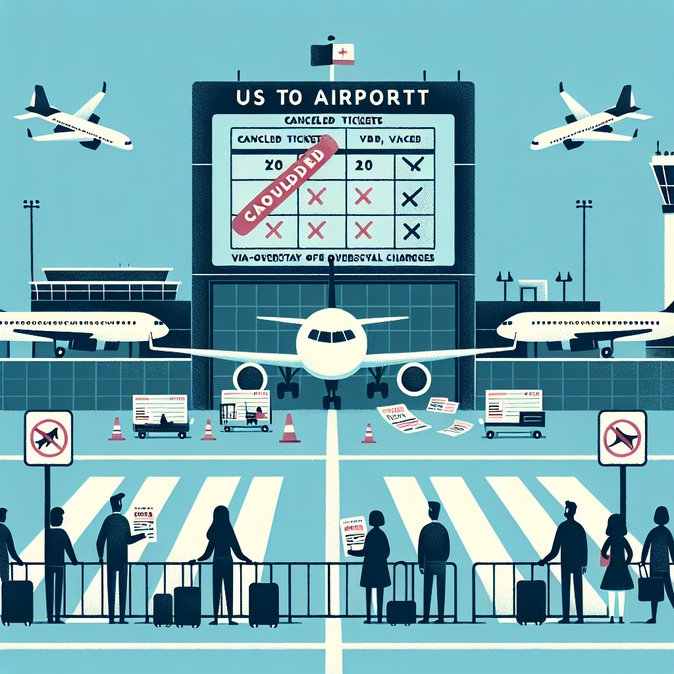
Budget carrier Air Arabia extended its pause until 15:00 on 4 March, with flights to Lebanon, Jordan, Syria and Iraq halted until 5 March. The General Civil Aviation Authority continues to funnel traffic through newly carved emergency corridors that can accommodate around 48 movements per hour—about one-fifth of normal capacity. These slots are being prioritised for repatriation flights, medical evacuations and high-value cargo, leaving most commercial passengers to wait or seek alternative routing via Oman. Travel-management companies warn that the stop-start nature of airline timetables is creating a patchwork of partially refundable or non-changeable tickets across corporate portfolios. Companies should audit affected bookings daily and use airline waivers—most carriers are allowing free re-booking for tickets issued before 28 February—to avert unnecessary fare differences. UAE airports have restricted terminal access to passengers holding confirmed seats. Security teams are turning away unverified travellers to prevent congestion. Mobility teams should therefore coordinate airport transfers only after written airline confirmation, and encourage employees to download carrier apps for real-time push alerts.

For travellers now scrambling to re-route or adjust itineraries, VisaHQ can help cut through the paperwork: its UAE resource page (https://www.visahq.com/united-arab-emirates/) offers real-time guidance on emergency transit visas for Oman, updated UAE entry rules, and quick online applications that let passengers track progress from their phones instead of standing in yet another airport queue.
Budget carrier Air Arabia extended its pause until 15:00 on 4 March, with flights to Lebanon, Jordan, Syria and Iraq halted until 5 March. The General Civil Aviation Authority continues to funnel traffic through newly carved emergency corridors that can accommodate around 48 movements per hour—about one-fifth of normal capacity. These slots are being prioritised for repatriation flights, medical evacuations and high-value cargo, leaving most commercial passengers to wait or seek alternative routing via Oman. Travel-management companies warn that the stop-start nature of airline timetables is creating a patchwork of partially refundable or non-changeable tickets across corporate portfolios. Companies should audit affected bookings daily and use airline waivers—most carriers are allowing free re-booking for tickets issued before 28 February—to avert unnecessary fare differences. UAE airports have restricted terminal access to passengers holding confirmed seats. Security teams are turning away unverified travellers to prevent congestion. Mobility teams should therefore coordinate airport transfers only after written airline confirmation, and encourage employees to download carrier apps for real-time push alerts.