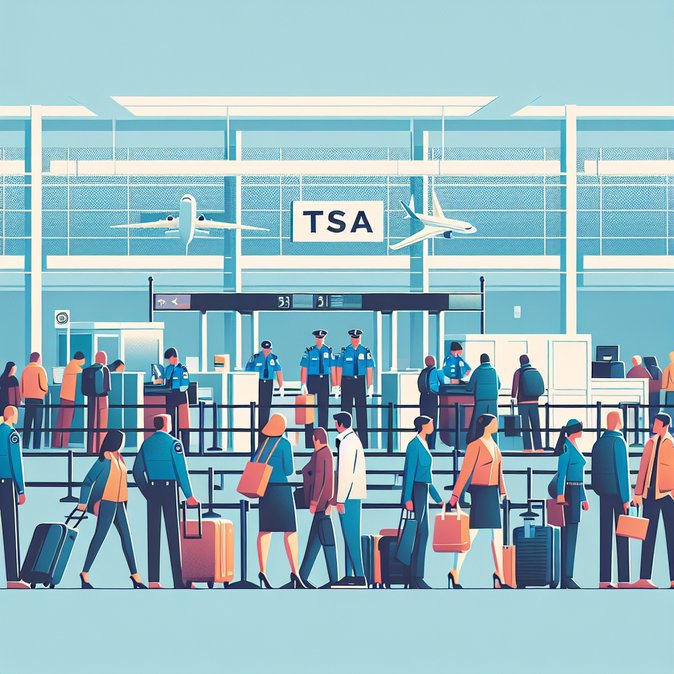
With Congress still deadlocked on a fiscal-year 2026 Homeland Security appropriation, the Department of Homeland Security entered its third week of partial shutdown on March 3. TSA officers are working without pay, sick-out rates are climbing, and the agency’s popular trusted-traveler program, Global Entry, has been temporarily suspended—just as U.S. carriers anticipate a record 171 million passengers between March 1 and April 30. (people.com)
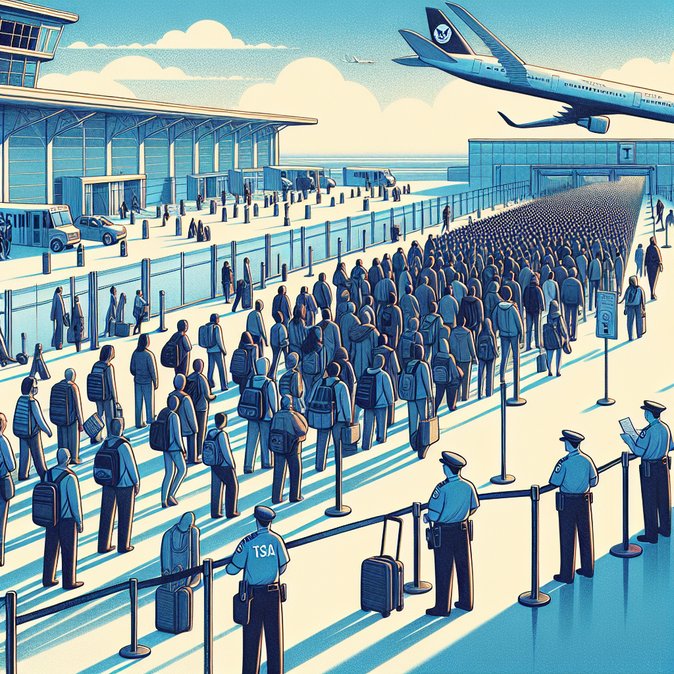
Airport authorities in Houston, Atlanta and Orlando report average security-checkpoint waits up 20-30 percent since Feb. 25, with priority PreCheck lanes intermittently closed when staffing dips below minimums. Airports Council International–North America warns that extended unpaid shifts could recreate the 2019 scenario in which some airports closed entire terminals. Airlines for America CEO Chris Sununu called the shutdown “a preventable threat to mobility and commerce,” urging lawmakers to restore funding before the mid-March spring-break peak. (people.com)
The shutdown also idled adjudicators at USCIS’s premium-processing unit for two days before fee-funded operations were exempted, adding unpredictability to employment-based cases filed this month. Importers are feeling the pinch, too: CBP has reassigned 600 agriculture inspectors to the southern border, slowing cargo clearance at JFK and LAX.
![Partial DHS Shutdown Pauses Global Entry and Threatens TSA Staffing Ahead of Spring-Break Rush]()
Amid these cascading delays, travelers scrambling for alternative documentation services can turn to VisaHQ, which expedites U.S. and foreign visas, passport renewals and other paperwork while providing real-time status alerts—helpful when government channels are backed up. More information is available at https://www.visahq.com/united-states/
For corporate travel managers the immediate actions are: advise employees to arrive at airports at least three hours prior to domestic flights, monitor TSA Security-Wait dashboards, and build extra connection time into multi-leg itineraries. HR teams should counsel foreign assignees returning from business trips that Global Entry kiosks are dark; secondary inspection queues have lengthened accordingly.
If the funding impasse extends into April, experts predict a backlog in TSA background checks that could slow new enrollments in PreCheck and CLEAR, impacting frequent-flyer productivity long after pay has been restored.
Airport authorities in Houston, Atlanta and Orlando report average security-checkpoint waits up 20-30 percent since Feb. 25, with priority PreCheck lanes intermittently closed when staffing dips below minimums. Airports Council International–North America warns that extended unpaid shifts could recreate the 2019 scenario in which some airports closed entire terminals. Airlines for America CEO Chris Sununu called the shutdown “a preventable threat to mobility and commerce,” urging lawmakers to restore funding before the mid-March spring-break peak. (people.com)
The shutdown also idled adjudicators at USCIS’s premium-processing unit for two days before fee-funded operations were exempted, adding unpredictability to employment-based cases filed this month. Importers are feeling the pinch, too: CBP has reassigned 600 agriculture inspectors to the southern border, slowing cargo clearance at JFK and LAX.
Amid these cascading delays, travelers scrambling for alternative documentation services can turn to VisaHQ, which expedites U.S. and foreign visas, passport renewals and other paperwork while providing real-time status alerts—helpful when government channels are backed up. More information is available at https://www.visahq.com/united-states/
For corporate travel managers the immediate actions are: advise employees to arrive at airports at least three hours prior to domestic flights, monitor TSA Security-Wait dashboards, and build extra connection time into multi-leg itineraries. HR teams should counsel foreign assignees returning from business trips that Global Entry kiosks are dark; secondary inspection queues have lengthened accordingly.
If the funding impasse extends into April, experts predict a backlog in TSA background checks that could slow new enrollments in PreCheck and CLEAR, impacting frequent-flyer productivity long after pay has been restored.