Startup immigration firm Ellis Legal issued a comprehensive March 3 advisory outlining how escalating hostilities in the Middle East have upended U.S. visa processing. Level-4 “Do Not Travel” warnings now cover Israel, Lebanon, Kuwait, Bahrain and several Gulf states, while non-emergency U.S. personnel have received ordered-departure notices from the UAE, Qatar and Saudi Arabia.
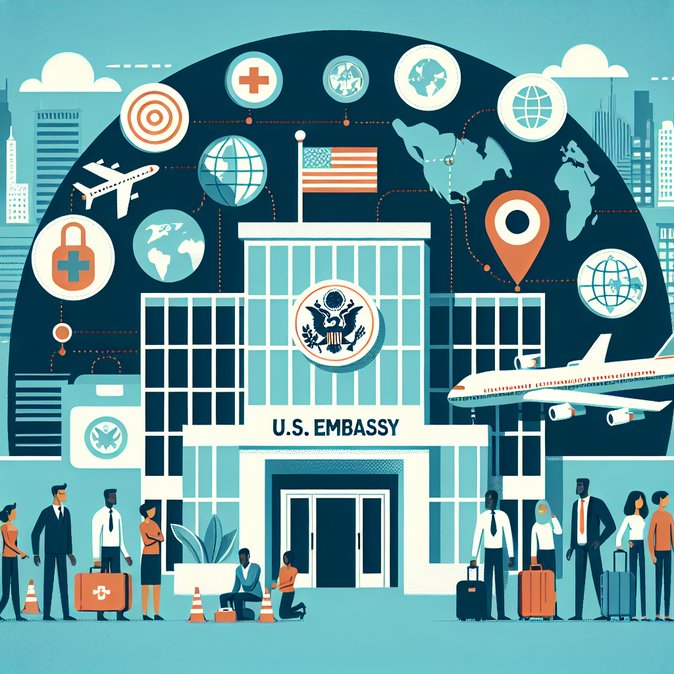
![Middle-East Conflict Triggers U.S. Embassy Closures and Visa Delays Across the Region]()
For travelers suddenly caught between flight cancellations and closed consulates, VisaHQ offers a streamlined lifeline: its U.S. portal (https://www.visahq.com/united-states/) aggregates the latest embassy alerts, alternative third-country appointment slots, and expedited document-courier services, allowing both individuals and mobility managers to pivot quickly and keep immigration timelines on track.
Multiple U.S. embassies—including Jerusalem, Beirut and Doha—have suspended routine immigrant and non-immigrant visa appointments. Remaining staff are limited to American Citizen Services and emergency passport issuance, leaving tens of thousands of applicants in administrative limbo. The Federal Aviation Administration and EASA have issued broad airspace closures, forcing airlines to reroute trans-continental flights via Africa or the Caucasus, adding three to five hours of flying time and significant cost for corporate travelers. The advisory also notes that the same DHS notice terminating TPS for Yemen (effective May 4) removes a humanitarian safety net for many Yemeni citizens caught in the crisis. Meanwhile, Special Student Relief benefits for F-1 students from Lebanon and Yemen are winding down, affecting campus work programs. Global-mobility teams with regional assignees should trigger crisis-management protocols: audit visa expirations, re-route essential travel via safer hubs, and document forced over-stays to defend future U.S. entry or green-card abandonment claims. Employers with stranded staff should explore third-country consular processing options and maintain close contact with insurers and security vendors.

For travelers suddenly caught between flight cancellations and closed consulates, VisaHQ offers a streamlined lifeline: its U.S. portal (https://www.visahq.com/united-states/) aggregates the latest embassy alerts, alternative third-country appointment slots, and expedited document-courier services, allowing both individuals and mobility managers to pivot quickly and keep immigration timelines on track.
Multiple U.S. embassies—including Jerusalem, Beirut and Doha—have suspended routine immigrant and non-immigrant visa appointments. Remaining staff are limited to American Citizen Services and emergency passport issuance, leaving tens of thousands of applicants in administrative limbo. The Federal Aviation Administration and EASA have issued broad airspace closures, forcing airlines to reroute trans-continental flights via Africa or the Caucasus, adding three to five hours of flying time and significant cost for corporate travelers. The advisory also notes that the same DHS notice terminating TPS for Yemen (effective May 4) removes a humanitarian safety net for many Yemeni citizens caught in the crisis. Meanwhile, Special Student Relief benefits for F-1 students from Lebanon and Yemen are winding down, affecting campus work programs. Global-mobility teams with regional assignees should trigger crisis-management protocols: audit visa expirations, re-route essential travel via safer hubs, and document forced over-stays to defend future U.S. entry or green-card abandonment claims. Employers with stranded staff should explore third-country consular processing options and maintain close contact with insurers and security vendors.