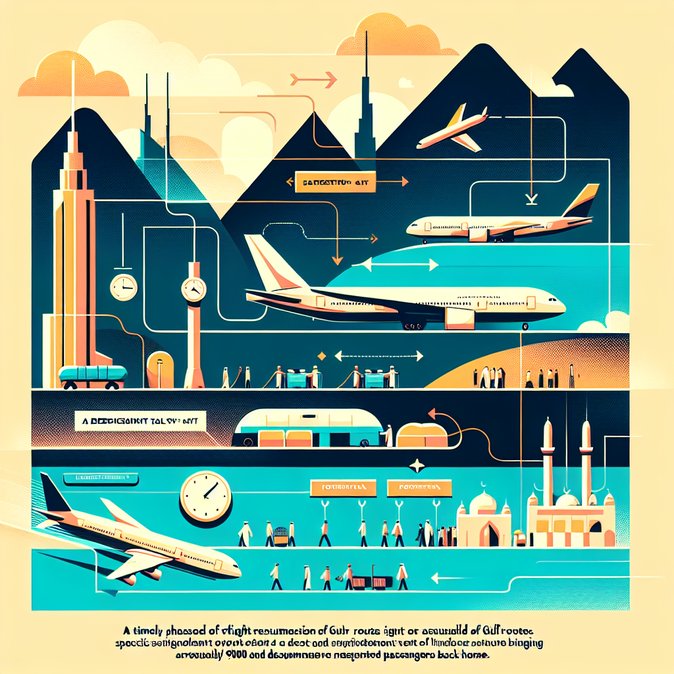
India’s largest airline IndiGo operated four special repatriation flights out of Jeddah on 3 March 2026, carrying more than 900 stranded passengers home after a three-day blockade of key Gulf flight corridors. The airline told news agency PTI that additional services to Muscat are being readied pending Omani slot approvals. Deccan Herald reported the first Jeddah–Hyderabad flight landed just before midnight; three others routed to Mumbai and Ahmedabad. IndiGo said the operation was coordinated with India’s Consulate General in Jeddah, which compiled passenger manifests prioritising elderly travellers, medical cases and those with expiring Saudi visas.
![IndiGo mounts four repatriation flights from Jeddah; Muscat next in line, says Deccan Herald]()
For passengers anxious about expiring Gulf visas or needing urgent exit permits, VisaHQ can facilitate swift online processing through its India portal (https://www.visahq.com/india/). The service monitors real-time embassy advisories, assigns dedicated agents to each application, and can arrange renewals or emergency travel documents so travellers have one less worry during fast-moving situations like this blockade.
The carrier used Airbus A321s configured for maximum seating, waiving date-change penalties and excess-baggage fees. Security escorts accompanied buses from the city to King Abdulaziz International Airport to circumvent roadblocks. While smaller than the 2020–21 “Vande Bharat” evacuation programme, the ad-hoc airlift demonstrates that Indian carriers can pivot quickly when geopolitical tensions cripple commercial schedules. Aviation analysts note that IndiGo’s Asia-West Asia network flexibility—particularly its ability to redeploy aircraft from domestic rotations—gives it an edge in crisis response over state-owned rivals. The Muscat phase, expected to begin on 4 March, will focus on Indian labourers unable to connect through Dubai after that hub’s temporary closure. Mobility managers with personnel in Saudi Arabia should advise employees to register on the consulate’s emergency portal and keep travel documents ready at three hours’ notice.

For passengers anxious about expiring Gulf visas or needing urgent exit permits, VisaHQ can facilitate swift online processing through its India portal (https://www.visahq.com/india/). The service monitors real-time embassy advisories, assigns dedicated agents to each application, and can arrange renewals or emergency travel documents so travellers have one less worry during fast-moving situations like this blockade.
The carrier used Airbus A321s configured for maximum seating, waiving date-change penalties and excess-baggage fees. Security escorts accompanied buses from the city to King Abdulaziz International Airport to circumvent roadblocks. While smaller than the 2020–21 “Vande Bharat” evacuation programme, the ad-hoc airlift demonstrates that Indian carriers can pivot quickly when geopolitical tensions cripple commercial schedules. Aviation analysts note that IndiGo’s Asia-West Asia network flexibility—particularly its ability to redeploy aircraft from domestic rotations—gives it an edge in crisis response over state-owned rivals. The Muscat phase, expected to begin on 4 March, will focus on Indian labourers unable to connect through Dubai after that hub’s temporary closure. Mobility managers with personnel in Saudi Arabia should advise employees to register on the consulate’s emergency portal and keep travel documents ready at three hours’ notice.
More From India
View all
India waives overstay penalties, offers free visa extensions for travellers stranded by Gulf airspace shutdown
Middle-East crisis grounds flights: Economic Times lists 3 March cancellations and special relief services