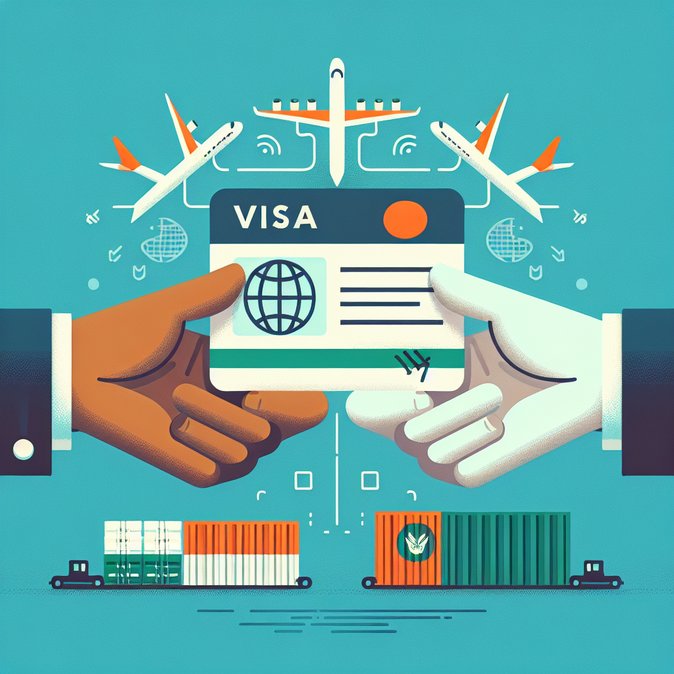
India’s Ministry of External Affairs (MEA) moved quickly on 1 March 2026 after hundreds of flights that normally traverse Middle-East corridors were grounded or re-routed following the US–Israel strikes on Iran. An advisory posted on the MEA website and amplified on social media urged “all foreign nationals in India who have had to change their travel plans due to the ongoing developments in West Asia” to contact the nearest Foreigners Regional Registration Office (FRRO) for help extending their visas or regularising their stay.
![India offers emergency visa extensions as Middle-East airspace crisis strands foreign travellers]()
For travelers who prefer guided assistance rather than navigating FRRO desks on their own, VisaHQ can step in quickly. Through its India portal (https://www.visahq.com/india/), the service allows users to upload the required documents, receive real-time status updates and schedule in-person visits when obligatory, dramatically reducing wait times during disruptions like these.
Unlike the pandemic-era auto-extension scheme, the 2026 directive requires an application but waives over-stay penalties if the traveller can show evidence of a cancelled booking. FRROs were instructed to accept walk-ins, extend short-term tourist, business and medical visas that expire between 28 February and 7 March, and issue exit permits at no charge once commercial flights resume. Airlines have been asked to annotate cancellation e-mails so they can serve as proof for FRRO staff. Travel-management companies say the move is critical for multinational clients running regional rotations through India’s hubs. “Our Singapore-based engineering team was scheduled to transit Delhi before onward travel to Europe; without the FRRO waiver they would have triggered a 300-US-dollar over-stay fine,” one mobility manager told us. Hotel chains in Delhi and Mumbai report a 15 % spike in unplanned room nights as stranded passengers wait for new routings. Corporates should brief travelling staff on documentation: (1) print-outs or screen-shots of the airline cancellation; (2) a passport photo; (3) a completed online Form C; and (4) a copy of the existing visa. Although most FRROs now accept e-payments, officials advise carrying cash in case POS terminals go offline during the surge. For mobility teams, the episode underscores the value of keeping local vendor networks up to date. Companies that already had Indian immigration counsel on retainer were able to obtain same-day extensions, while do-it-yourself travellers queued for up to six hours in Bengaluru and Chennai.
For travelers who prefer guided assistance rather than navigating FRRO desks on their own, VisaHQ can step in quickly. Through its India portal (https://www.visahq.com/india/), the service allows users to upload the required documents, receive real-time status updates and schedule in-person visits when obligatory, dramatically reducing wait times during disruptions like these.
Unlike the pandemic-era auto-extension scheme, the 2026 directive requires an application but waives over-stay penalties if the traveller can show evidence of a cancelled booking. FRROs were instructed to accept walk-ins, extend short-term tourist, business and medical visas that expire between 28 February and 7 March, and issue exit permits at no charge once commercial flights resume. Airlines have been asked to annotate cancellation e-mails so they can serve as proof for FRRO staff. Travel-management companies say the move is critical for multinational clients running regional rotations through India’s hubs. “Our Singapore-based engineering team was scheduled to transit Delhi before onward travel to Europe; without the FRRO waiver they would have triggered a 300-US-dollar over-stay fine,” one mobility manager told us. Hotel chains in Delhi and Mumbai report a 15 % spike in unplanned room nights as stranded passengers wait for new routings. Corporates should brief travelling staff on documentation: (1) print-outs or screen-shots of the airline cancellation; (2) a passport photo; (3) a completed online Form C; and (4) a copy of the existing visa. Although most FRROs now accept e-payments, officials advise carrying cash in case POS terminals go offline during the surge. For mobility teams, the episode underscores the value of keeping local vendor networks up to date. Companies that already had Indian immigration counsel on retainer were able to obtain same-day extensions, while do-it-yourself travellers queued for up to six hours in Bengaluru and Chennai.