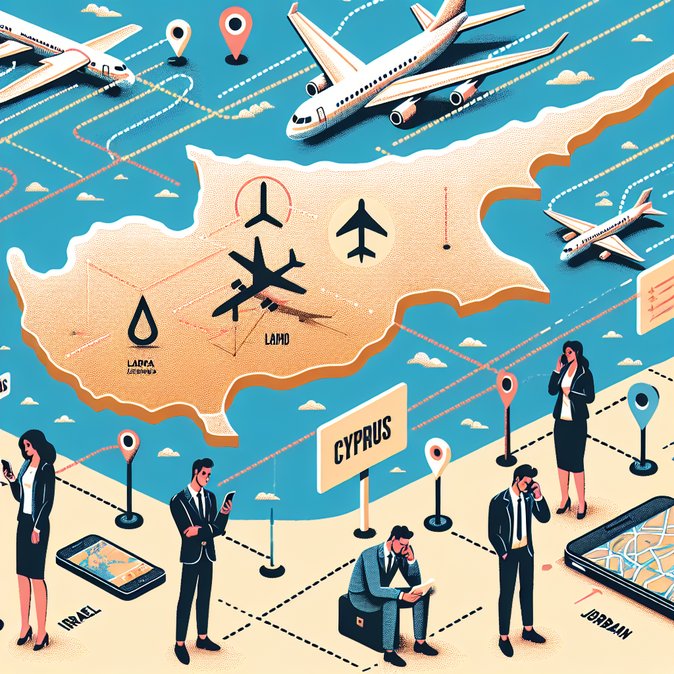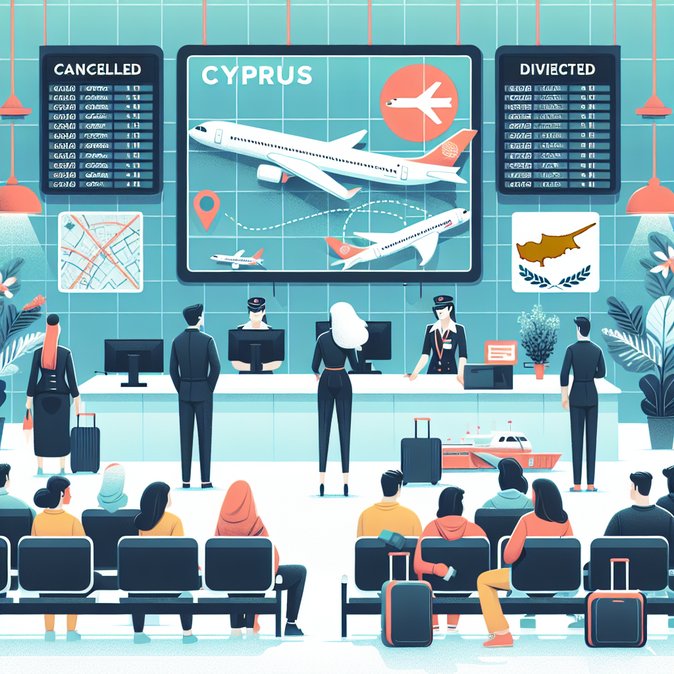
Cyprus’ air-links to the Gulf suffered another blow on 1 March 2026 as Lufthansa Group announced the immediate suspension of services to Tel Aviv, Beirut, Amman, Erbil and Tehran, as well as Dubai, Abu Dhabi, Riyadh and Dammam, following the overnight escalation in Iran. The German carrier said flights would remain grounded until at least 8 March, citing “cascading” regional air-space closures and the need to guarantee crew safety. Although Lufthansa does not operate direct passenger flights to Cyprus, its decision affects the island in two critical ways. First, Lufthansa Cargo routinely trucks belly-hold freight from Cyprus through hub connections in Frankfurt and Munich; shippers now face backlogs and higher costs as goods are re-routed via Athens or Istanbul. Second, many corporate travellers bound for the Gulf rely on Lufthansa interline tickets that route Larnaca–Frankfurt–(Gulf city); those itineraries are now invalid, leaving passengers scrambling for alternatives on Emirates (itself operating a reduced schedule) or Turkish Airlines. Travel-management companies report a surge in re-booking requests, with some firms opting to re-route staff via Paris (Air France) or Rome (ITA Airways) despite longer layovers.
![Lufthansa Suspends All Middle-East Routes, Cutting Cyprus-Gulf Connectivity Until at Least 8 March]()
Amid the scramble, VisaHQ’s Cyprus portal (https://www.visahq.com/cyprus/) can help travellers and mobility managers verify changing entry rules, secure expedited visas for newly chosen transit points, and generate official documentation that immigration officers often request when trips are disrupted by force-majeure events—saving valuable time and avoiding costly delays.
EU-based assignees with residency in the Gulf were advised to verify visa validity upon re-entry, as overstays caused by force-majeure cancellations normally require documentary proof from the airline. From a policy perspective, the suspension intensifies pressure on Cyprus’ Transport Ministry to accelerate discussions with Gulf carriers about emergency capacity allocations and to consider temporary traffic-rights flexibility. Hermes Airports is also dusting off contingency plans used during the 2020 pandemic to host pop-up check-in counters for airlines mounting rescue operations. The episode is a stark reminder that airline network decisions made in distant corporate headquarters can have rapid, material effects on island economies that depend on seamless global mobility. HR teams are urged to audit travel-insurance clauses and ensure that force-majeure language covers war-related disruptions in third-country hubs.

Amid the scramble, VisaHQ’s Cyprus portal (https://www.visahq.com/cyprus/) can help travellers and mobility managers verify changing entry rules, secure expedited visas for newly chosen transit points, and generate official documentation that immigration officers often request when trips are disrupted by force-majeure events—saving valuable time and avoiding costly delays.
EU-based assignees with residency in the Gulf were advised to verify visa validity upon re-entry, as overstays caused by force-majeure cancellations normally require documentary proof from the airline. From a policy perspective, the suspension intensifies pressure on Cyprus’ Transport Ministry to accelerate discussions with Gulf carriers about emergency capacity allocations and to consider temporary traffic-rights flexibility. Hermes Airports is also dusting off contingency plans used during the 2020 pandemic to host pop-up check-in counters for airlines mounting rescue operations. The episode is a stark reminder that airline network decisions made in distant corporate headquarters can have rapid, material effects on island economies that depend on seamless global mobility. HR teams are urged to audit travel-insurance clauses and ensure that force-majeure language covers war-related disruptions in third-country hubs.