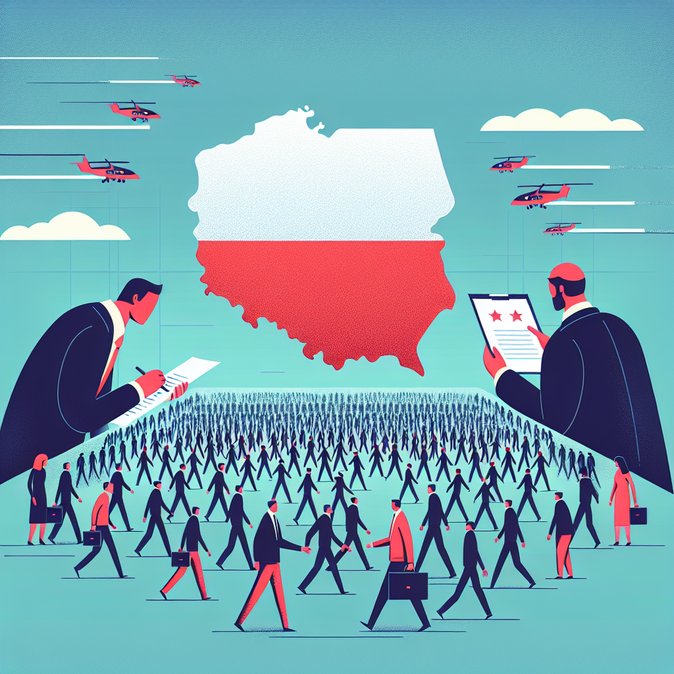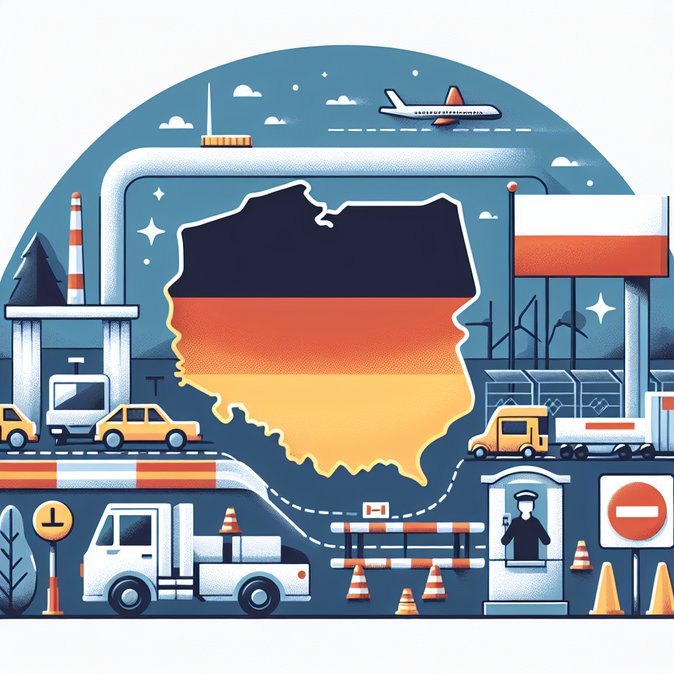
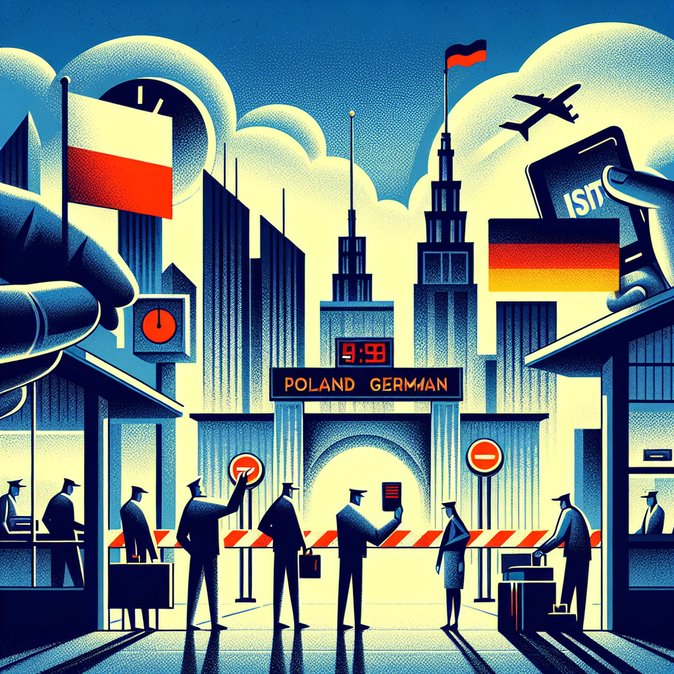
Travellers driving between Poland and Germany will continue to encounter spot checks after Warsaw prolonged its temporary suspension of the Schengen ‘open-border’ regime until at least 4 April 2026. The decision, announced on the evening of 28 February by Interior Ministry spokeswoman Karolina Gałecka, cites “continued migration-related security risks” and mirrors similar extensions on the German side of the frontier. Under the measure, Polish Border Guard officers may verify identity documents, vehicle papers and cargo manifests at selected crossings and on mobile patrols up to 20 kilometres inside Polish territory. While freight flows remain uninterrupted, logistics associations report average waiting times of 30–45 minutes for trucks during morning peaks—delays that multinational manufacturers in Lower Silesia say they now budget for in just-in-time delivery schedules.
![Poland extends temporary border checks with Germany until April amid migration pressure]()
For travellers and companies needing up-to-date guidance on which documents will satisfy border officers, VisaHQ offers a streamlined online service that tracks Schengen policy changes in real time and assists with visa, passport or residence-card renewals; full details can be found at https://www.visahq.com/poland/
The controls form part of Warsaw’s broader SAFE programme, which allocates PLN 3.2 billion for surveillance drones, sensor towers and license-plate recognition systems along Poland’s western and northern frontiers. Officials insist the checks are compliant with the EU Schengen Borders Code, which allows member states to reintroduce controls in exceptional circumstances for renewable two-month periods. Companies that routinely dispatch staff across the Oder are advised to brief travellers on document requirements and to build buffer time into meeting agendas. Immigration counsel also warn that non-EU nationals holding Polish residence cards could face additional questioning if they routinely commute to projects in Germany. With Easter holidays approaching, tour operators are lobbying both capitals to publish a clear de-escalation roadmap to avoid peak-season congestion. Although limited in scope, the extension signals that ad-hoc internal Schengen controls—once an exception—are becoming a semi-permanent feature of Europe’s mobility landscape, complicating relocation and travel management for internationally active firms headquartered in Poland.
For travellers and companies needing up-to-date guidance on which documents will satisfy border officers, VisaHQ offers a streamlined online service that tracks Schengen policy changes in real time and assists with visa, passport or residence-card renewals; full details can be found at https://www.visahq.com/poland/
The controls form part of Warsaw’s broader SAFE programme, which allocates PLN 3.2 billion for surveillance drones, sensor towers and license-plate recognition systems along Poland’s western and northern frontiers. Officials insist the checks are compliant with the EU Schengen Borders Code, which allows member states to reintroduce controls in exceptional circumstances for renewable two-month periods. Companies that routinely dispatch staff across the Oder are advised to brief travellers on document requirements and to build buffer time into meeting agendas. Immigration counsel also warn that non-EU nationals holding Polish residence cards could face additional questioning if they routinely commute to projects in Germany. With Easter holidays approaching, tour operators are lobbying both capitals to publish a clear de-escalation roadmap to avoid peak-season congestion. Although limited in scope, the extension signals that ad-hoc internal Schengen controls—once an exception—are becoming a semi-permanent feature of Europe’s mobility landscape, complicating relocation and travel management for internationally active firms headquartered in Poland.