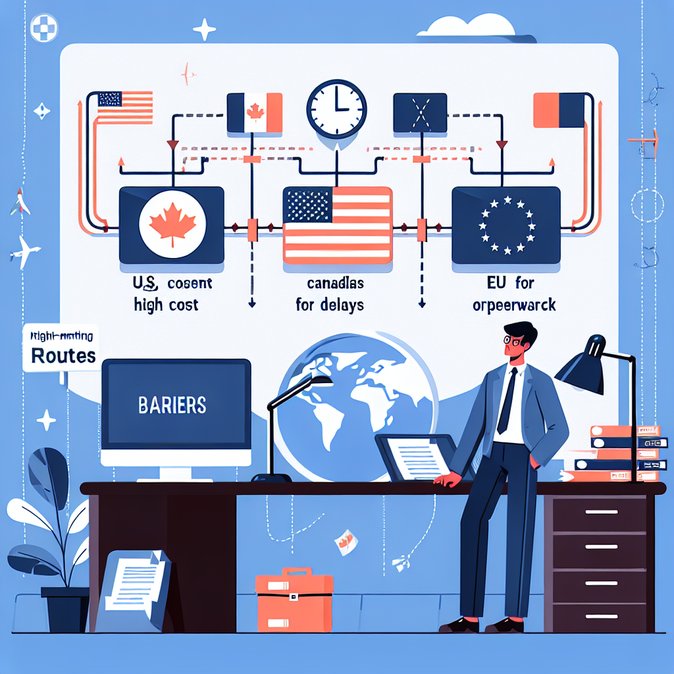
A public release of 2025-26 H-1B wage filings on 28 February shows that OpenAI pays its US-based AI engineers between US $245,000 and $385,000, reigniting debate among Indian software professionals over the value of pursuing the beleaguered visa. While headline pay looks eye-watering, recruiters caution that the six-figure Trump-era surcharge and lengthening adjudication queues could offset financial gains. Several Bengaluru-based candidates tell Global Mobility News they are weighing Canada’s expedited Global Talent Stream or Europe’s Blue-Card expansion, both of which offer salaries in the €120-150k range and quicker family-reunification rights.
![OpenAI salary data fuels Indian engineers’ interest despite US visa hurdles]()
For professionals comparing these routes, VisaHQ’s India portal (https://www.visahq.com/india/) provides an easy way to review up-to-date checklists, processing times and costs for H-1B, L-1, O-1, Canada GTS and EU Blue Card filings, allowing engineers and HR teams to streamline paperwork and sidestep avoidable delays.
The disclosure also exposes a widening compensation gap between frontier-AI roles and traditional software engineering, pressuring Indian employers to revisit retention bonuses. Nasscom’s mobility task-force recommends that Indian firms fast-track overseas client-site deployments for high-potential AI staff to prevent attrition. For mobility programmes, the takeaway is two-fold: (1) budget for materially higher salary equalisation if seconding AI talent to US labs, and (2) prepare alternative pathways—L-1, O-1 or Canada GTS—should the H-1B surcharge remain. Expect intensified competition for STEM workers as transparent salary data becomes the norm under US labour-condition disclosure rules.

For professionals comparing these routes, VisaHQ’s India portal (https://www.visahq.com/india/) provides an easy way to review up-to-date checklists, processing times and costs for H-1B, L-1, O-1, Canada GTS and EU Blue Card filings, allowing engineers and HR teams to streamline paperwork and sidestep avoidable delays.
The disclosure also exposes a widening compensation gap between frontier-AI roles and traditional software engineering, pressuring Indian employers to revisit retention bonuses. Nasscom’s mobility task-force recommends that Indian firms fast-track overseas client-site deployments for high-potential AI staff to prevent attrition. For mobility programmes, the takeaway is two-fold: (1) budget for materially higher salary equalisation if seconding AI talent to US labs, and (2) prepare alternative pathways—L-1, O-1 or Canada GTS—should the H-1B surcharge remain. Expect intensified competition for STEM workers as transparent salary data becomes the norm under US labour-condition disclosure rules.