The regional security shock that unfolded overnight on 28 February—after U.S. and Israeli forces carried out strikes against targets in Iran—sent immediate ripples through Spanish aviation. By late evening, Telemadrid confirmed that Iberia, Iberia Express and Air Europa had cancelled their Tel Aviv rotations through at least 10 March and were evaluating Doha services day-by-day. Seven departures from Madrid-Barajas alone were scrubbed on Saturday as Israel, Iran, Iraq and Syria closed large swathes of airspace. Eurocontrol recorded more than 1 100 flight disruptions globally; Spanish carriers were among the first to issue flexible rebooking and refund policies.
![Spanish Airlines Suspend Tel Aviv Services as Middle-East Airspace Closes After Strikes on Iran]()
Amid this uncertainty, VisaHQ’s Spain portal (https://www.visahq.com/spain/) can streamline last-minute documentation needs, whether travellers must reroute via alternative countries or secure emergency visas for charter flights. The platform’s real-time advisory updates and concierge support help corporate mobility teams react swiftly when border rules or overflight permissions change without notice.
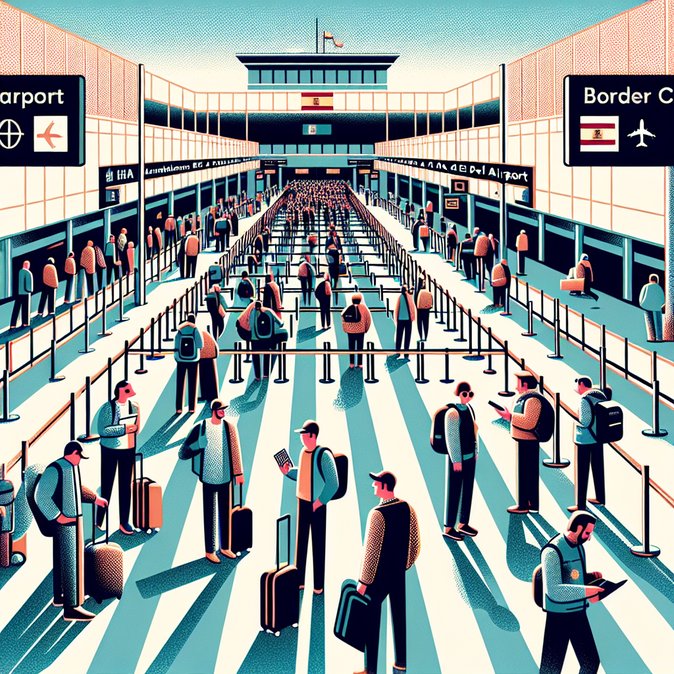
Barajas’ departure hall filled with stranded passengers, including Erasmus students returning from Poland and a Canary-Islands family rerouted via Qatar. Crew-duty limitations forced additional knock-on cancellations across the Iberia network, affecting some New York and Johannesburg flights that rely on Tel Aviv-based cockpit crews for sector credit. Risk departments at multinationals with staff in Israel activated contingency plans, using charter brokers and El-Al rescue fares arranged in collaboration with Spain’s Foreign Ministry. Travel-management companies are advising clients to avoid itineraries that transit Middle-East hubs such as Amman or Doha until routings stabilise and to monitor elevated fuel surcharges triggered by longer detours over Egypt and Saudi Arabia. Though Spain is geographically distant, the episode underscores how geopolitical flashpoints can upend corporate travel overnight. Companies with critical staff movements should revisit crisis-response playbooks, ensure travellers register their whereabouts and verify that insurance covers war-risk cancellations beyond the standard EU261 compensation framework.

Amid this uncertainty, VisaHQ’s Spain portal (https://www.visahq.com/spain/) can streamline last-minute documentation needs, whether travellers must reroute via alternative countries or secure emergency visas for charter flights. The platform’s real-time advisory updates and concierge support help corporate mobility teams react swiftly when border rules or overflight permissions change without notice.
Barajas’ departure hall filled with stranded passengers, including Erasmus students returning from Poland and a Canary-Islands family rerouted via Qatar. Crew-duty limitations forced additional knock-on cancellations across the Iberia network, affecting some New York and Johannesburg flights that rely on Tel Aviv-based cockpit crews for sector credit. Risk departments at multinationals with staff in Israel activated contingency plans, using charter brokers and El-Al rescue fares arranged in collaboration with Spain’s Foreign Ministry. Travel-management companies are advising clients to avoid itineraries that transit Middle-East hubs such as Amman or Doha until routings stabilise and to monitor elevated fuel surcharges triggered by longer detours over Egypt and Saudi Arabia. Though Spain is geographically distant, the episode underscores how geopolitical flashpoints can upend corporate travel overnight. Companies with critical staff movements should revisit crisis-response playbooks, ensure travellers register their whereabouts and verify that insurance covers war-risk cancellations beyond the standard EU261 compensation framework.