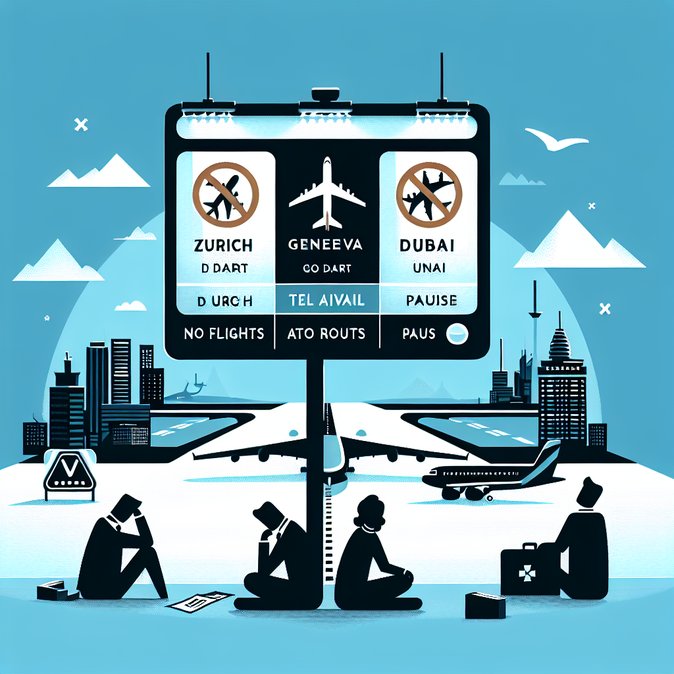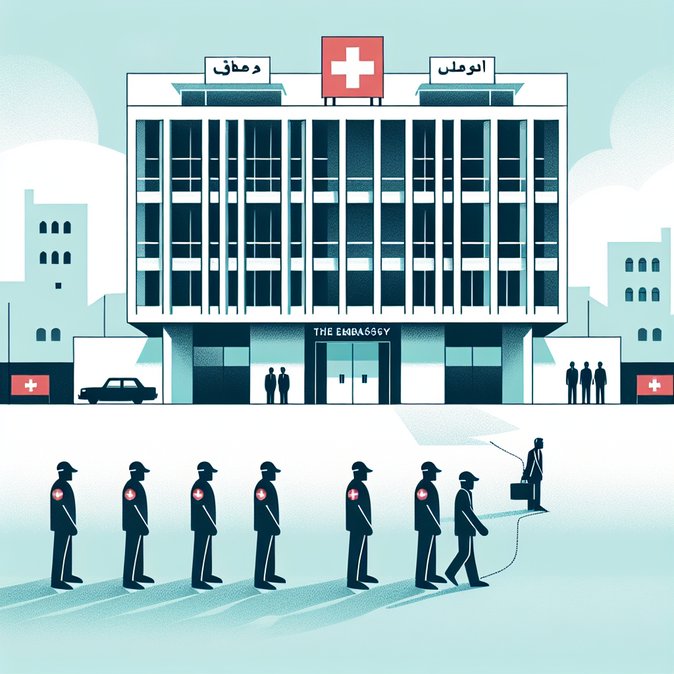
Switzerland’s Federal Department of Foreign Affairs (FDFA) escalated its travel guidance on 28 February, advising citizens to refrain from all non-essential trips to Israel “until further notice”. The bulletin was released after Israel declared a nationwide state of emergency in response to overnight missile attacks linked to the Iran conflict. The FDFA already discouraged journeys to Iran; adding Israel reflects a rapidly deteriorating risk outlook for Swiss nationals. Under Switzerland’s colour-coded advisory system, the new alert moves Israel into the red ‘avoid all travel’ category. The ministry warns that commercial exit options could dwindle without notice and urges Swiss residents or visitors wishing to leave to use available flights promptly. Those who opt to stay must register on the Travel Admin app, keep identity papers ready and prepare contingency plans, including safe rooms.
![Federal Foreign Ministry Issues ‘Do Not Travel’ Warning for Israel]()
For Swiss travellers who still have urgent reasons to be in or transit through Israel, VisaHQ can help by providing real-time updates on entry restrictions, facilitating electronic visa applications and even arranging expedited passport renewals when documents are damaged or lost during crises. All of these services can be accessed through the dedicated Swiss portal at https://www.visahq.com/switzerland/ giving users a single point of contact when requirements change without warning.
The directive carries legal and insurance ramifications. Many Swiss corporate policies void cover when employees travel against official advice. Multinational HR departments therefore had to halt upcoming assignments and consider temporary remote-work arrangements for staff based in Tel Aviv or Haifa. Mobility suppliers say inquiries about emergency accommodation allowances and short-notice evacuation charters surged within hours of the notice. Travel retailers reported a spike in cancellation requests for Easter holiday packages to Israel and neighbouring Jordan. Under Swiss consumer law, package-tour customers are entitled to full refunds when the destination becomes unsafe, but independent travellers must rely on airline or hotel goodwill unless they purchased ‘cancel for any reason’ insurance. The FDFA emphasised that it cannot guarantee consular assistance in active combat zones and that private evacuation remains each traveller’s responsibility. Industry observers note that Switzerland rarely issues blanket warnings; the last comparable red alert for a close business partner was during the 2020 Beirut port explosion. The Israel advisory highlights growing geopolitical fragility in corporate mobility planning and is likely to accelerate demand for real-time risk-intelligence tools among Swiss firms with Middle-East exposure.

For Swiss travellers who still have urgent reasons to be in or transit through Israel, VisaHQ can help by providing real-time updates on entry restrictions, facilitating electronic visa applications and even arranging expedited passport renewals when documents are damaged or lost during crises. All of these services can be accessed through the dedicated Swiss portal at https://www.visahq.com/switzerland/ giving users a single point of contact when requirements change without warning.
The directive carries legal and insurance ramifications. Many Swiss corporate policies void cover when employees travel against official advice. Multinational HR departments therefore had to halt upcoming assignments and consider temporary remote-work arrangements for staff based in Tel Aviv or Haifa. Mobility suppliers say inquiries about emergency accommodation allowances and short-notice evacuation charters surged within hours of the notice. Travel retailers reported a spike in cancellation requests for Easter holiday packages to Israel and neighbouring Jordan. Under Swiss consumer law, package-tour customers are entitled to full refunds when the destination becomes unsafe, but independent travellers must rely on airline or hotel goodwill unless they purchased ‘cancel for any reason’ insurance. The FDFA emphasised that it cannot guarantee consular assistance in active combat zones and that private evacuation remains each traveller’s responsibility. Industry observers note that Switzerland rarely issues blanket warnings; the last comparable red alert for a close business partner was during the 2020 Beirut port explosion. The Israel advisory highlights growing geopolitical fragility in corporate mobility planning and is likely to accelerate demand for real-time risk-intelligence tools among Swiss firms with Middle-East exposure.