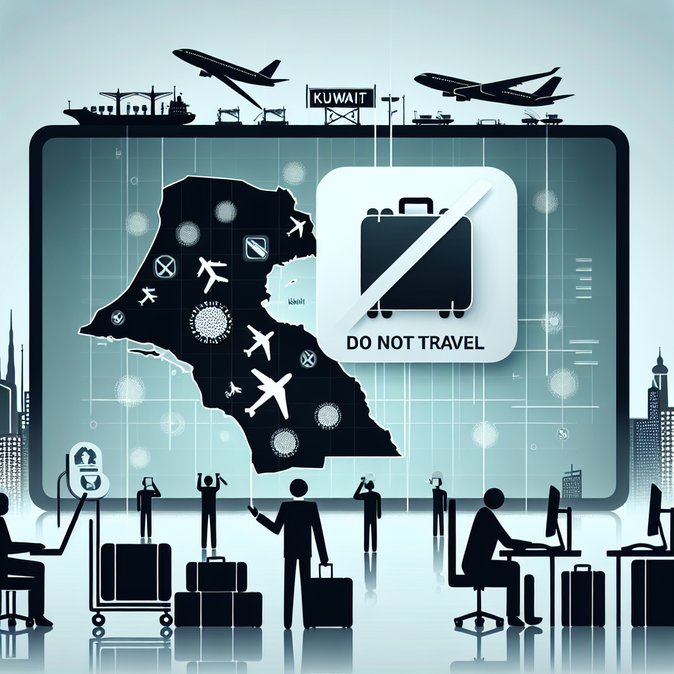
Hours after US and Israeli forces launched Operation Epic Fury against Iranian leadership on 28 February 2026, Australia’s National Security Committee convened in Canberra. Foreign Minister Penny Wong confirmed that Australia was not involved in the strikes but immediately upgraded travel warnings across the Middle East and urged Australians to avoid Israel, Lebanon, Bahrain, Kuwait, Qatar and the UAE. The ABC’s late-night coverage highlighted airlines’ rapid response: Qantas, Emirates and Etihad introduced wide detours to skirt Iranian and Kuwaiti airspace, adding up to two hours to popular Sydney-London business routes. Corporate travel platforms such as Concur and Serko flagged thousands of automated itinerary changes for travellers with March departure dates. Risk consultancies are advising multinationals to audit traveller-tracking systems.
![Operation Epic Fury prompts Australian firms to reroute travel and review crisis plans]()
At this juncture, organisations and individual travellers can also lean on specialist visa and passport services to streamline any sudden rerouting. VisaHQ, for example, maintains an Australia-specific portal (https://www.visahq.com/australia/) that lets duty-of-care teams check entry restrictions in real time, order emergency travel documents and coordinate courier pickups—critical if staff need to transit through alternative hubs such as Muscat or Istanbul on short notice.
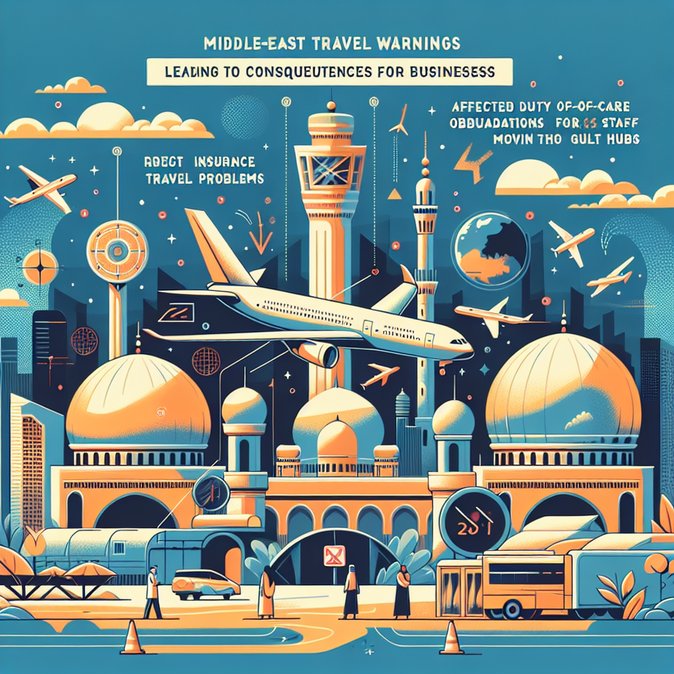
Under Australia’s harmonised WHS laws, employers must take ‘reasonably practicable’ steps to protect staff on international assignment; failure can attract heavy penalties. Legal firm MinterEllison notes increased litigation globally over inadequate duty-of-care during the 2020-22 pandemic and warns boards not to repeat mistakes in a kinetic conflict. Insurance implications are also in focus. Most corporate policies exclude claims stemming from declared war zones once official government advice reaches ‘Do Not Travel’. Companies scrambling to relocate staff to safer hubs—such as Muscat or Istanbul—must confirm whether evacuation costs are covered or arrange contingency funding. In the medium term, aviation analysts predict higher fares on kangaroo-route tickets as carriers burn more fuel on longer routings and hedge against regional volatility. Travel managers should revise budgets and consider switching some movements to virtual meetings or hubs outside the affected air corridors.

At this juncture, organisations and individual travellers can also lean on specialist visa and passport services to streamline any sudden rerouting. VisaHQ, for example, maintains an Australia-specific portal (https://www.visahq.com/australia/) that lets duty-of-care teams check entry restrictions in real time, order emergency travel documents and coordinate courier pickups—critical if staff need to transit through alternative hubs such as Muscat or Istanbul on short notice.
Under Australia’s harmonised WHS laws, employers must take ‘reasonably practicable’ steps to protect staff on international assignment; failure can attract heavy penalties. Legal firm MinterEllison notes increased litigation globally over inadequate duty-of-care during the 2020-22 pandemic and warns boards not to repeat mistakes in a kinetic conflict. Insurance implications are also in focus. Most corporate policies exclude claims stemming from declared war zones once official government advice reaches ‘Do Not Travel’. Companies scrambling to relocate staff to safer hubs—such as Muscat or Istanbul—must confirm whether evacuation costs are covered or arrange contingency funding. In the medium term, aviation analysts predict higher fares on kangaroo-route tickets as carriers burn more fuel on longer routings and hedge against regional volatility. Travel managers should revise budgets and consider switching some movements to virtual meetings or hubs outside the affected air corridors.