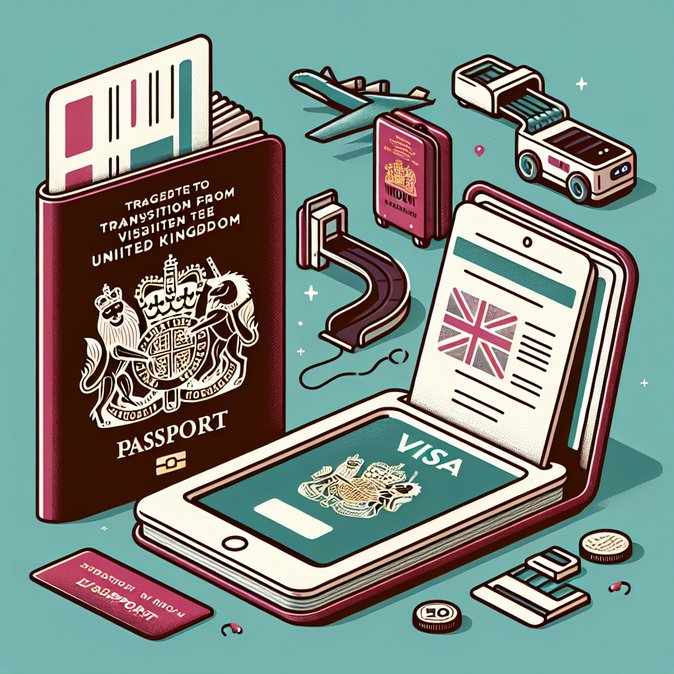
Beginning 27 February 2026, Indian nationals must hold a digital eVisa—not a paper vignette—to enter the United Kingdom. The Home Office quietly flipped the switch two days earlier but confirmed the full rollout in a press briefing echoed by travel media. Applicants will still visit a Visa Application Centre for biometrics; however, their passport is returned the same day and their immigration status is stored in the UKVI online account. Airlines have been instructed to verify an eVisa or Electronic Travel Authorisation (ETA) at check-in. Carriers may refuse boarding if the digital permission is missing, marking the first time a destination country will rely entirely on cloud-based data for Indian passengers. Border officers in the UK will scan passports and cross-check against the eVisa database—speeding queues but raising data-privacy questions.
![UK Completes Switch to Digital eVisas for Indian Travellers]()
For travellers or HR departments that prefer a guided process, VisaHQ can step in to pre-screen documents, lodge the UK eVisa application and troubleshoot errors before they derail a trip. Its India portal (https://www.visahq.com/india/) syncs with UKVI updates and offers live chat support, giving both individual tourists and corporate movers peace of mind as the new digital rules bed in.
For Indian businesses, the change simplifies assignee mobility: HR teams can download verifiable permission letters, monitor visa expiry online, and update passports without visiting a consulate. Yet the upfront workflow is less forgiving. Because an eVisa cannot be pasted into the passport, travellers must print or screenshot the approval email; without connectivity, proving status on departure from India could be tricky. Immigration lawyers warn that inadvertent errors—wrong passport number, spelling mistakes—could strand passengers, as airlines lack authority to override the system. UKVI has set up a 24×7 helpline and urges applicants to apply “well in advance” of travel until teething issues stabilise. The digital shift lays groundwork for the promised India–UK Mobility and Migration Partnership quota, which is expected later this year to streamline youth mobility and high-skill visas.

For travellers or HR departments that prefer a guided process, VisaHQ can step in to pre-screen documents, lodge the UK eVisa application and troubleshoot errors before they derail a trip. Its India portal (https://www.visahq.com/india/) syncs with UKVI updates and offers live chat support, giving both individual tourists and corporate movers peace of mind as the new digital rules bed in.
For Indian businesses, the change simplifies assignee mobility: HR teams can download verifiable permission letters, monitor visa expiry online, and update passports without visiting a consulate. Yet the upfront workflow is less forgiving. Because an eVisa cannot be pasted into the passport, travellers must print or screenshot the approval email; without connectivity, proving status on departure from India could be tricky. Immigration lawyers warn that inadvertent errors—wrong passport number, spelling mistakes—could strand passengers, as airlines lack authority to override the system. UKVI has set up a 24×7 helpline and urges applicants to apply “well in advance” of travel until teething issues stabilise. The digital shift lays groundwork for the promised India–UK Mobility and Migration Partnership quota, which is expected later this year to streamline youth mobility and high-skill visas.