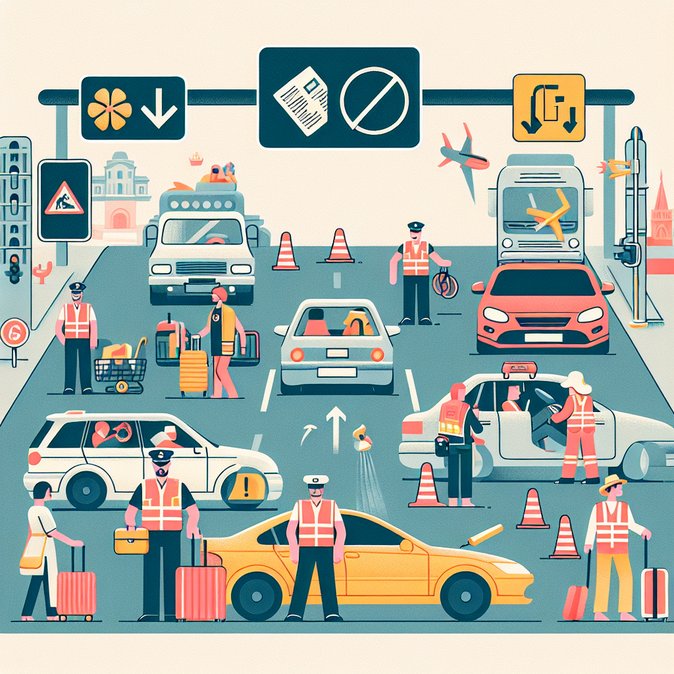
Spain’s Directorate-General for Traffic (DGT) used 27 February 2026 to remind tourists and business travellers of an often-overlooked requirement: every vehicle must carry a high-visibility reflective vest that the driver **must wear** if exiting the car on a motorway or in low-visibility conditions. Euro Weekly News reports fines of up to €200—levied instantly by Guardia Civil traffic units—after roadside spot-checks in Málaga and Alicante caught dozens of foreign motorists unaware.
![Spain Warns Drivers: €200 Fine for Missing Reflective Vest in Rental Cars]()
Before even setting out, travellers should make sure their paperwork is equally compliant. VisaHQ helps by streamlining Spain visa applications and keeping users updated on local regulations—including road-safety essentials like the reflective-vest rule—so your arrival, car pick-up and onward journey go smoothly; learn more at https://www.visahq.com/spain/
While the rule dates back to 2004, many international car-hire firms fail to place vests in glove compartments, assuming customers will not need them on short trips. Under Spain’s liability regime, responsibility rests with the person behind the wheel, not the rental company. Multinational employers with self-drive corporate rates should therefore audit suppliers’ safety-kit policies or issue branded vests as part of travel packs. The crackdown precedes the Easter holiday surge and the April launch of the EU Entry/Exit System, when longer waits at external-Schengen lanes could tempt drivers to pull over on hard shoulders. Mobility teams should incorporate the vest rule into pre-trip briefings alongside breath-alcohol limits and low-emission-zone stickers.

Before even setting out, travellers should make sure their paperwork is equally compliant. VisaHQ helps by streamlining Spain visa applications and keeping users updated on local regulations—including road-safety essentials like the reflective-vest rule—so your arrival, car pick-up and onward journey go smoothly; learn more at https://www.visahq.com/spain/
While the rule dates back to 2004, many international car-hire firms fail to place vests in glove compartments, assuming customers will not need them on short trips. Under Spain’s liability regime, responsibility rests with the person behind the wheel, not the rental company. Multinational employers with self-drive corporate rates should therefore audit suppliers’ safety-kit policies or issue branded vests as part of travel packs. The crackdown precedes the Easter holiday surge and the April launch of the EU Entry/Exit System, when longer waits at external-Schengen lanes could tempt drivers to pull over on hard shoulders. Mobility teams should incorporate the vest rule into pre-trip briefings alongside breath-alcohol limits and low-emission-zone stickers.