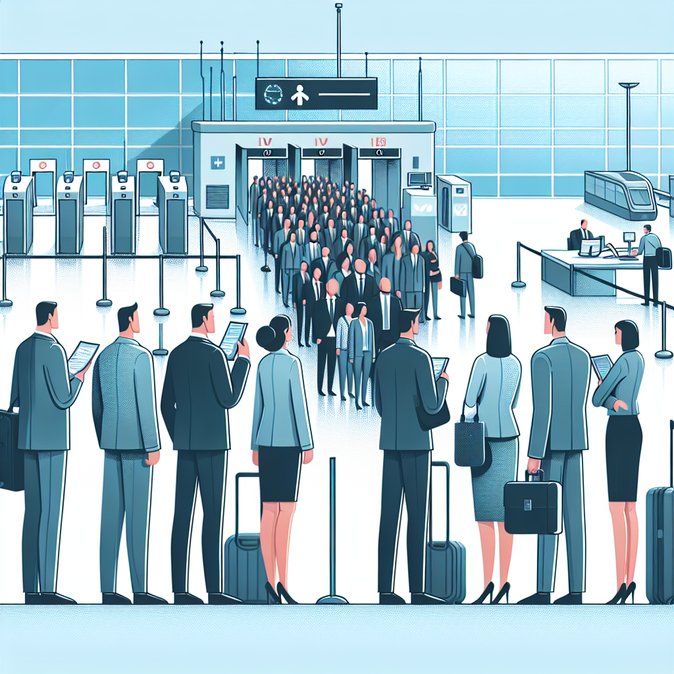
The fifth International Cooperation Forum Switzerland (IC Forum) wrapped up in Geneva on 27 February 2026 after welcoming some 1,500 delegates from 120 nations, the Federal Department of Foreign Affairs (FDFA) reported. The event, jointly organised with the World Economic Forum’s Centre for the Fourth Industrial Revolution, focused on ‘Sustainable Mobility and Climate-Smart Infrastructure’. For Swiss consular and border authorities the two-day summit was an operational stress-test ahead of the G7 in June: more than half of participants required Schengen visas, most processed through Swiss embassies in Africa and South-East Asia on an accelerated 72-hour track. FDFA officials said that 98 percent of applications were approved, crediting a new ‘trusted-partner’ channel for NGOs and academic institutions. Geneva airport opened an ad-hoc diplomatic lane staffed by multilingual volunteers, while rail operator SBB laid on late-night shuttles to Lausanne and Bern to cope with hotel saturation. Inside the conference, mobility experts from Hitachi Rail, Stadler and Siemens outlined public-private financing models for cross-border commuter rail that could be replicated on the Léman Express. Swiss development agency SECO pledged CHF 120 million over four years to expand its ‘Global Infrastructure Facility’, offering Swiss SMEs export credit for green-mobility projects in emerging markets. Why does this matter for corporate mobility teams? First, the forum underscores Switzerland’s role as a neutral convenor—a status that regularly generates last-minute VIP travel to Geneva. Companies should maintain standby protocols for short-notice visa invitations and hotel allotments.
![Geneva Hosts International Cooperation Forum, Eases Entry for 1,500 Delegates From 120 Countries]()
For firms without an in-house travel desk, VisaHQ can shoulder the administrative load: its Swiss portal (https://www.visahq.com/switzerland/) streamlines Schengen visa requests, coordinates biometrics appointments and keeps travellers updated through a single dashboard—especially valuable when invitations land with only 72 hours to spare.
Second, FDFA’s pilot of bulk digital visa files hints at future paperless Schengen procedures; early adopters may enjoy faster turnaround once the EU’s fully digital visa platform launches in 2027. Finally, the forum’s call for sustainable business-travel metrics—in line with the new ISO 14083 standard—will feed into Swiss corporate reporting rules taking effect next January. Forum organisers confirmed that next year’s edition will move to Basel and focus on ‘Climate-Resilient Supply Chains’. Delegates praised Swiss efficiency but urged organisers to streamline arrival guidance once the EU Entry/Exit System becomes mandatory on 10 April 2026, warning that biometric kiosks could negate recent gains.

For firms without an in-house travel desk, VisaHQ can shoulder the administrative load: its Swiss portal (https://www.visahq.com/switzerland/) streamlines Schengen visa requests, coordinates biometrics appointments and keeps travellers updated through a single dashboard—especially valuable when invitations land with only 72 hours to spare.
Second, FDFA’s pilot of bulk digital visa files hints at future paperless Schengen procedures; early adopters may enjoy faster turnaround once the EU’s fully digital visa platform launches in 2027. Finally, the forum’s call for sustainable business-travel metrics—in line with the new ISO 14083 standard—will feed into Swiss corporate reporting rules taking effect next January. Forum organisers confirmed that next year’s edition will move to Basel and focus on ‘Climate-Resilient Supply Chains’. Delegates praised Swiss efficiency but urged organisers to streamline arrival guidance once the EU Entry/Exit System becomes mandatory on 10 April 2026, warning that biometric kiosks could negate recent gains.