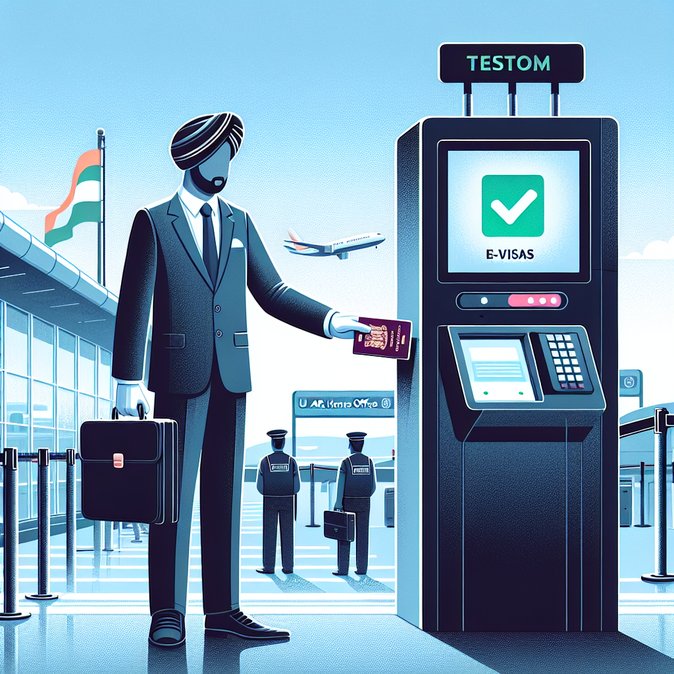
Indian passport holders heading to the United Kingdom will no longer receive the familiar vignette sticker in their passports. In a notice published on 26 February 2026, UK Visas & Immigration confirmed that, for applications decided on or after 25 February, all entry clearances will be issued only in digital form and linked to the traveller’s passport via a UKVI online account. The move completes London’s multi-year plan to digitise its border and follows smaller pilots with Gulf nationals and BRP holders.
![UK scraps passport stickers: Indian travellers must switch to fully digital e-Visas]()
For applicants who would like expert guidance through the still-evolving digital process, VisaHQ offers a convenient concierge service: its New Delhi team can pre-screen documents, schedule biometrics, and track UK eVisa status updates in real time—details at https://www.visahq.com/india/
For Indian visitors, students and workers, the application steps remain largely unchanged—biometrics and document submission still take place at VFS Global centres—but passports are handed back immediately after enrolment, eliminating the risk of passport lock-in during processing. At the gate, airlines will run an automated Home Office database check; travellers without a valid eVisa will be denied boarding. Corporate mobility teams must update travel checklists: employees must travel only on the passport registered in their UKVI account, and any passport renewal before travel will require updating the digital record. The UK Home Office emphasises that an eVisa “cannot be lost, stolen or tampered with” and should speed up border clearance, but analysts warn that system outages could create new points of failure. The eVisa roll-out dovetails with Britain’s Electronic Travel Authorisation (ETA) scheme for visa-exempt nationals, signalling a fully contactless UK border by 2027. Indian businesses with frequent traveller populations, especially IT service firms and consulting majors, welcome the change as it cuts down turnaround time for multi-country itineraries that require passport submission elsewhere. Indian banks and travel-expense platforms are already integrating automated checks to verify that an employee’s UKVI account lists the correct passport number before approving tickets, reducing the risk of boarding refusals. Immigration lawyers, meanwhile, recommend carrying a print-out of the visa-decision email for peace of mind until eVisa enforcement beds down.
For applicants who would like expert guidance through the still-evolving digital process, VisaHQ offers a convenient concierge service: its New Delhi team can pre-screen documents, schedule biometrics, and track UK eVisa status updates in real time—details at https://www.visahq.com/india/
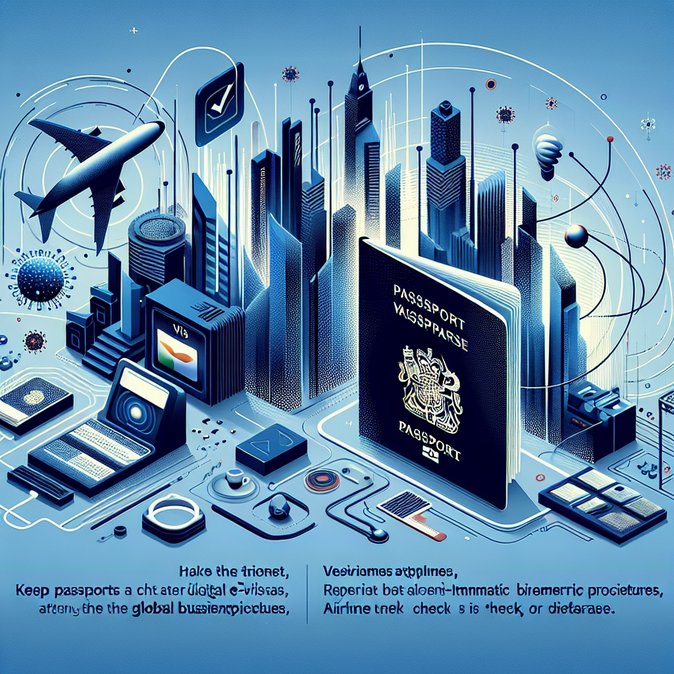
For Indian visitors, students and workers, the application steps remain largely unchanged—biometrics and document submission still take place at VFS Global centres—but passports are handed back immediately after enrolment, eliminating the risk of passport lock-in during processing. At the gate, airlines will run an automated Home Office database check; travellers without a valid eVisa will be denied boarding. Corporate mobility teams must update travel checklists: employees must travel only on the passport registered in their UKVI account, and any passport renewal before travel will require updating the digital record. The UK Home Office emphasises that an eVisa “cannot be lost, stolen or tampered with” and should speed up border clearance, but analysts warn that system outages could create new points of failure. The eVisa roll-out dovetails with Britain’s Electronic Travel Authorisation (ETA) scheme for visa-exempt nationals, signalling a fully contactless UK border by 2027. Indian businesses with frequent traveller populations, especially IT service firms and consulting majors, welcome the change as it cuts down turnaround time for multi-country itineraries that require passport submission elsewhere. Indian banks and travel-expense platforms are already integrating automated checks to verify that an employee’s UKVI account lists the correct passport number before approving tickets, reducing the risk of boarding refusals. Immigration lawyers, meanwhile, recommend carrying a print-out of the visa-decision email for peace of mind until eVisa enforcement beds down.