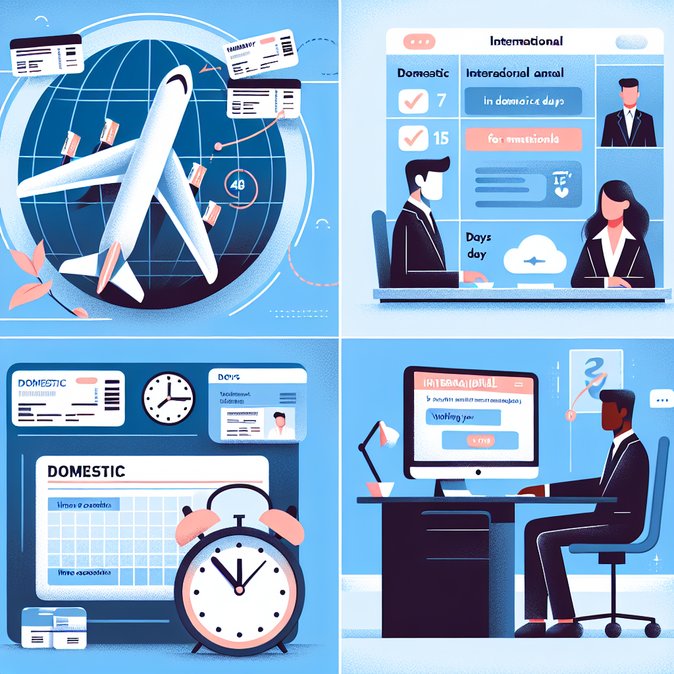
India’s aviation regulator, the Directorate General of Civil Aviation (DGCA), has issued sweeping amendments to its Civil Aviation Requirements (CAR) on passenger refunds—the first major rewrite since 2019. Notified on 24 February and formally unveiled on 26 February 2026, the regulations introduce a 48-hour “look-in” period during which travellers may cancel or modify any ticket booked on an Indian or foreign carrier operating to, from or within India without paying change or cancellation fees. The free-change privilege is available provided the scheduled departure is at least seven days away for domestic flights and 15 days away for international flights. After that window, normal airline‐specific penalties will apply.
The DGCA has also capped the time airlines can hold passenger money: refunds must hit the customer’s original mode of payment within seven working days for domestic flights and 14 working days for international journeys. Airlines must display the exact refundable amount at the time of booking, bringing India closer to EU-style consumer-protection transparency.
Another pain-point the regulator has tackled is name errors. Passengers who discover a spelling mistake on a ticket booked directly on an airline’s website now have 24 hours to request a correction at no extra cost. Previously, even a single-letter change could cost thousands of rupees or force customers to buy a new ticket.
Meanwhile, if your upcoming trip also involves sorting out visas—often the most time-sensitive part of travel planning—VisaHQ’s India portal (https://www.visahq.com/india/) can streamline the process. The service offers end-to-end application support, real-time tracking and document checks that align neatly with the DGCA’s new 48-hour modification window, so you can secure the right paperwork without worrying about flight-change penalties should consular requirements shift unexpectedly.
![DGCA overhauls refund rules, gives Indian flyers a 48-hour ‘cool-off’ window]()
The DGCA has also created a special medical-emergency carve-out: if a passenger or immediate family member named on the same PNR is hospitalised after booking, airlines must offer either a full refund or a credit shell that can be reused without re-pricing.
With domestic air travel running 30 per cent higher than pre-pandemic levels and complaints about refund delays topping the consumer-grievance chart, the tighter rules are expected to hit carriers’ ancillary-revenue lines. Travel-management companies and HR mobility teams will need to update policy documents and booking tools to take advantage of the 48-hour window and avoid unnecessary fees.
Airlines get a one-month grace period—the regulations take effect on 26 March 2026—after which DGCA can impose penalties and even suspend slot allocations for persistent non-compliance.
For globally mobile employees, especially those shuttling between India’s technology hubs and client sites overseas, the changes mean lower out-of-pocket risk on last-minute project cancellations and fewer reimbursement headaches for corporate travel teams.
Large carriers such as IndiGo and Air India have already begun updating their apps and confirmation emails to reflect the mandatory refund matrix, signalling industry acceptance of the consumer-friendly shift.
The DGCA has also capped the time airlines can hold passenger money: refunds must hit the customer’s original mode of payment within seven working days for domestic flights and 14 working days for international journeys. Airlines must display the exact refundable amount at the time of booking, bringing India closer to EU-style consumer-protection transparency.
Another pain-point the regulator has tackled is name errors. Passengers who discover a spelling mistake on a ticket booked directly on an airline’s website now have 24 hours to request a correction at no extra cost. Previously, even a single-letter change could cost thousands of rupees or force customers to buy a new ticket.
Meanwhile, if your upcoming trip also involves sorting out visas—often the most time-sensitive part of travel planning—VisaHQ’s India portal (https://www.visahq.com/india/) can streamline the process. The service offers end-to-end application support, real-time tracking and document checks that align neatly with the DGCA’s new 48-hour modification window, so you can secure the right paperwork without worrying about flight-change penalties should consular requirements shift unexpectedly.

The DGCA has also created a special medical-emergency carve-out: if a passenger or immediate family member named on the same PNR is hospitalised after booking, airlines must offer either a full refund or a credit shell that can be reused without re-pricing.
With domestic air travel running 30 per cent higher than pre-pandemic levels and complaints about refund delays topping the consumer-grievance chart, the tighter rules are expected to hit carriers’ ancillary-revenue lines. Travel-management companies and HR mobility teams will need to update policy documents and booking tools to take advantage of the 48-hour window and avoid unnecessary fees.
Airlines get a one-month grace period—the regulations take effect on 26 March 2026—after which DGCA can impose penalties and even suspend slot allocations for persistent non-compliance.
For globally mobile employees, especially those shuttling between India’s technology hubs and client sites overseas, the changes mean lower out-of-pocket risk on last-minute project cancellations and fewer reimbursement headaches for corporate travel teams.
Large carriers such as IndiGo and Air India have already begun updating their apps and confirmation emails to reflect the mandatory refund matrix, signalling industry acceptance of the consumer-friendly shift.