Home Office releases quarterly immigration statistics, confirms sharp falls in work and study visas
Airlines tighten ETA checks as full UK digital border rules kick in
Experts warn visa collapse is ‘car crash’ for UK hospitals as overseas recruitment dries up
Latest News
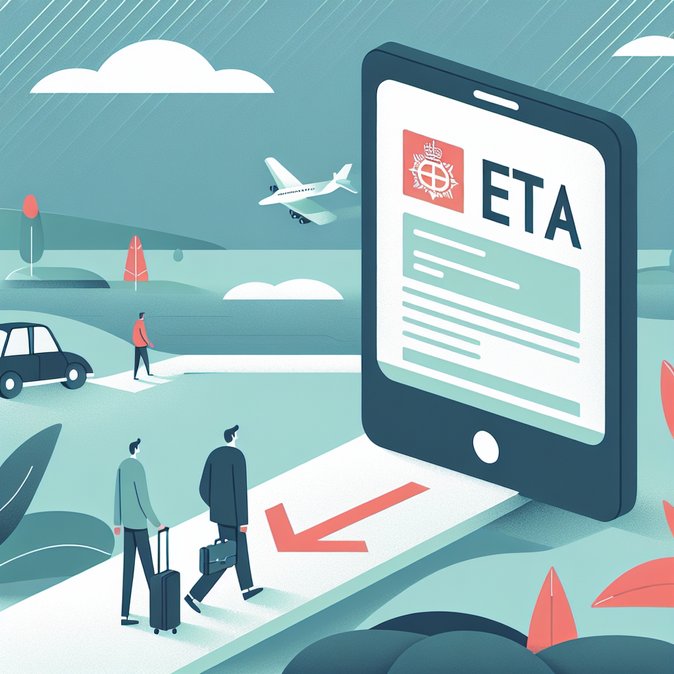
£16 UK visa-waiver charge comes into force with little sign of travel chaos
An Irish Times analysis finds that the UK’s £16 ETA fee, fully enforced from 25 February, has not produced the forecast tourism crisis. Northern Ireland visitor numbers are holding up and Irish citizens remain exempt, suggesting the new digital permit is more an administrative hurdle than a deterrent. Businesses should still build the quick, inexpensive ETA step into travel planning.
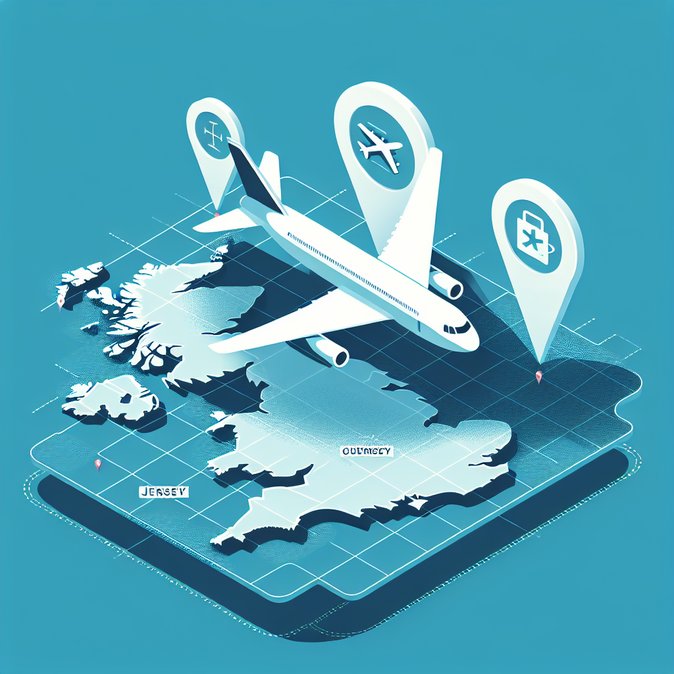
New regulations extend ETA requirement to UK islands and Crown Dependencies
A statutory instrument that took effect on 26 February extends the UK’s Electronic Travel Authorisation scheme to the Isle of Man, Jersey and Guernsey, meaning most visa-exempt visitors to the islands now need an ETA. The change closes routing loopholes and affects business travellers frequenting the Crown Dependencies, underscoring the government’s single-digital-border strategy.
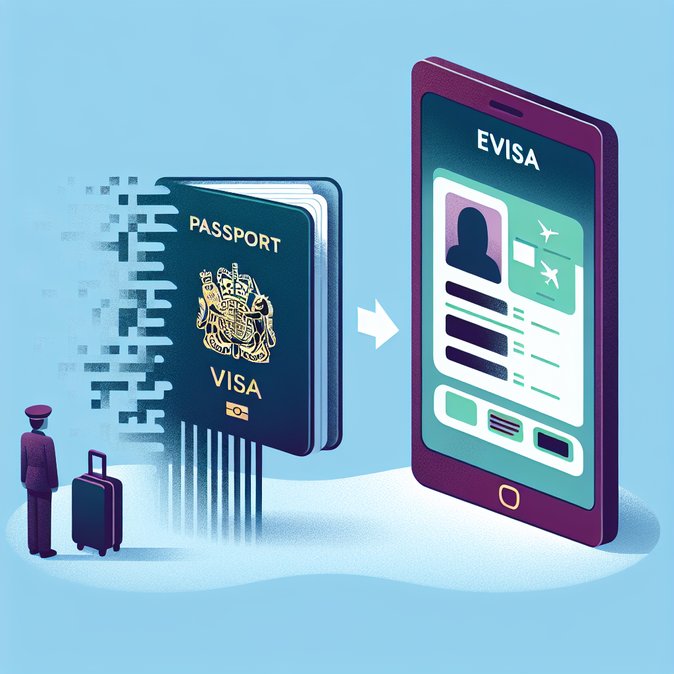
UK completes switch to digital immigration status as eVisas replace all physical documents
UKVI stopped issuing visa stickers and BRP cards on 25 February 2026, completing Britain’s transition to fully digital immigration status. All permissions are now eVisas linked to a traveller’s passport and verified electronically by carriers, exposing airlines to fines and travellers to denied boarding if details do not match. Employers must switch their right-to-work checks to the share-code system. The change streamlines borders but demands immediate action by mobility teams.

‘No Permission, No Travel’: Electronic Travel Authorisation now mandatory for all non-visa nationals
From 25 February 2026, citizens of the USA, EU, Canada, Australia and 80-plus other ‘non-visa’ nations must have an ETA before travelling to the UK. Carriers now run automated permission checks and will refuse boarding if no valid ETA is found, while airlines that breach the rule face fines. Mobility managers must incorporate ETA verification into trip approvals to avoid disrupted assignments.
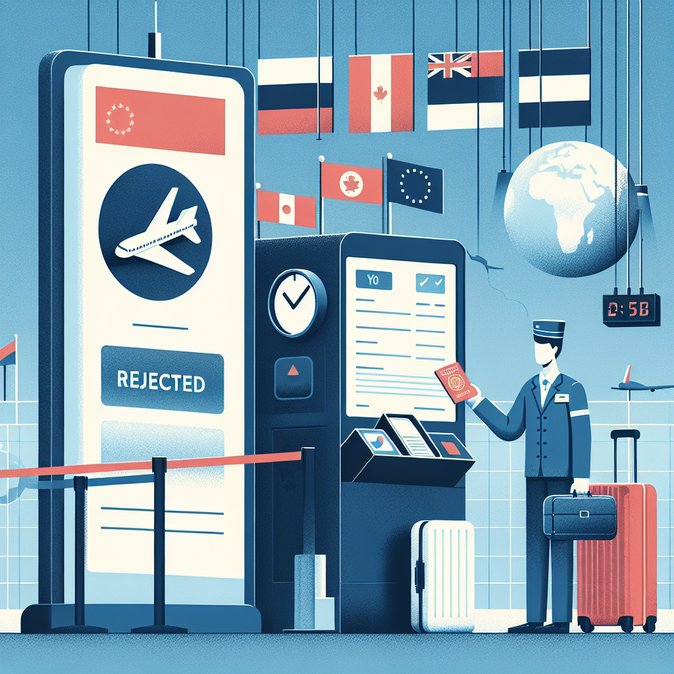
Dual British citizens lose foreign-passport work-around at UK border
Airlines’ automated checks now reject ETA applications from anyone flagged as a British national, meaning dual citizens must travel on a British or Irish passport from 25 February 2026. Boarding will be refused if only a foreign passport is presented, exposing employers to costly delays for staff who have let UK passports lapse.

UK warns airlines of hefty fines as carrier-liability rules extended to digital checks
From today, ETA and eVisa failures expose carriers to the same fines that already apply to visa violations. The Home Office has integrated live data feeds, trained 55,000 agents and made airlines the front-line enforcers of ‘digital permission’. Companies that rely on last-minute UK travel should tighten document-verification routines to avoid expensive re-routing if staff are denied boarding.

ONS launches SOC-code overhaul that will reshape sponsored-worker salary thresholds
A consultation opened this month—and flagged again on 25 February—seeks to modernise SOC codes that underpin Skilled Worker ‘going rates’. Changes could recalibrate salary thresholds for thousands of future assignees, so HR and mobility teams have until 11 May 2026 to submit evidence.