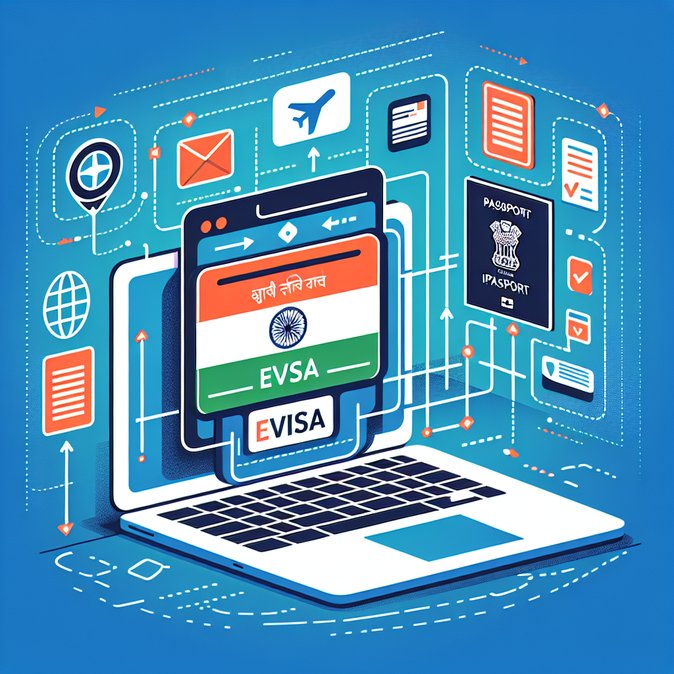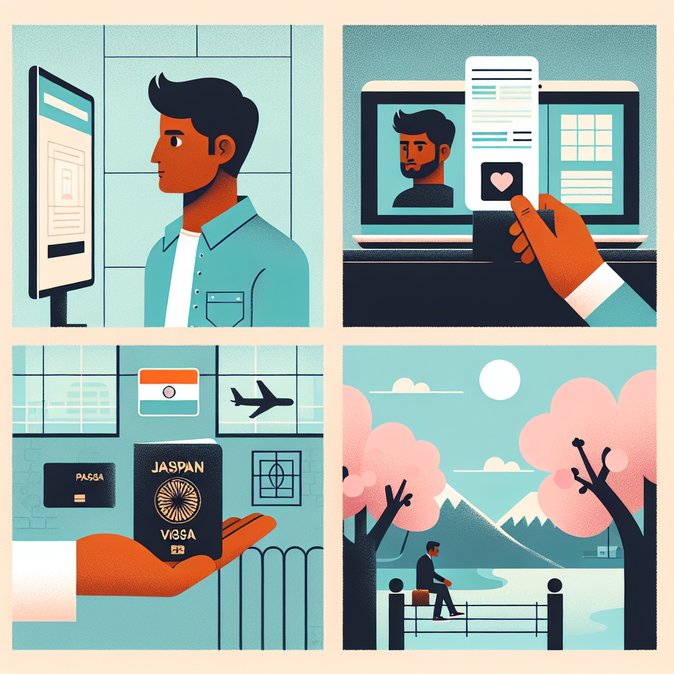
Hours after the UK’s digital switchover went live on 25 February 2026, VFS Global’s Kolkata centre published detailed guidance for eastern-India applicants. The key operational shift: passports are scanned for biometrics but handed straight back to the traveller—eliminating the anxiety of being without a passport for weeks. According to the centre, applicants will receive an email once the eVisa is granted and can then download proof from their UKVI account.
![UK eVisa means no more passport drop-offs: VFS Kolkata explains new process]()
If you’d rather not navigate the new process alone, VisaHQ’s India portal (https://www.visahq.com/india/) offers an assisted pathway that pre-screens your documents, tracks your UKVI status in real time, and flags any passport/eVisa mismatches before you fly—saving both travellers and mobility teams from last-minute surprises.
During check-in airlines will query the same UKVI database; a mismatch of passport number and eVisa will trigger boarding denial, so travellers changing passports mid-process must update details immediately. VFS Kolkata processed over half-a-million UK visitor visas last year. Centre managers told local media that freeing travellers from physical passport retention should reduce repeated “status enquiry” calls and walk-ins, allowing staff to focus on biometrics and priority processing. For corporate HR teams this means employees can continue Schengen or domestic travel while a UK application is pending, avoiding project delays. However, organisations must strengthen internal tracking, as there is no sticker to photocopy for records—screenshots of the UKVI dashboard should be stored in the employee’s mobility file. With the ETA requirement also coming into force for 85 visa-exempt nationalities the same day, airlines have upgraded DCS (Departure Control System) software to read both datasets. Mobility managers should expect initial teething issues and budget extra airport time during the first fortnight of the rollout.

If you’d rather not navigate the new process alone, VisaHQ’s India portal (https://www.visahq.com/india/) offers an assisted pathway that pre-screens your documents, tracks your UKVI status in real time, and flags any passport/eVisa mismatches before you fly—saving both travellers and mobility teams from last-minute surprises.
During check-in airlines will query the same UKVI database; a mismatch of passport number and eVisa will trigger boarding denial, so travellers changing passports mid-process must update details immediately. VFS Kolkata processed over half-a-million UK visitor visas last year. Centre managers told local media that freeing travellers from physical passport retention should reduce repeated “status enquiry” calls and walk-ins, allowing staff to focus on biometrics and priority processing. For corporate HR teams this means employees can continue Schengen or domestic travel while a UK application is pending, avoiding project delays. However, organisations must strengthen internal tracking, as there is no sticker to photocopy for records—screenshots of the UKVI dashboard should be stored in the employee’s mobility file. With the ETA requirement also coming into force for 85 visa-exempt nationalities the same day, airlines have upgraded DCS (Departure Control System) software to read both datasets. Mobility managers should expect initial teething issues and budget extra airport time during the first fortnight of the rollout.