Meeting minutes released on 25 February 2026 show that the EU Council’s Visa Working Party devoted a special session to the forthcoming digital Schengen visa and its interaction with Member States that operate opt-outs, notably Ireland.
![EU Visa Working Party reviews digital Schengen visa prototype – Irish external-border issues flagged]()
Whether you’re an HR manager or an individual traveller navigating these changes, VisaHQ’s Ireland portal (https://www.visahq.com/ireland/) can streamline the process of securing both Irish permissions and Schengen visas, offering step-by-step guidance, document checks and real-time status tracking so you stay compliant while the new digital systems bed in.
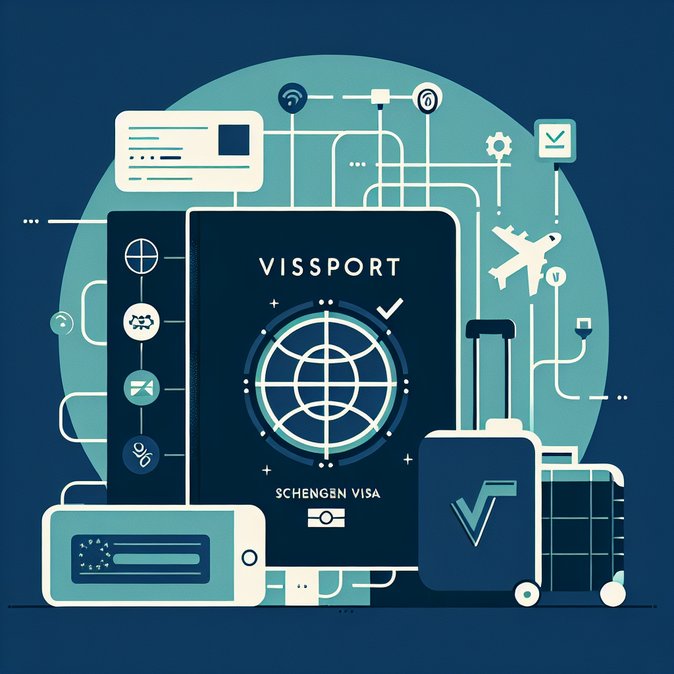
Officials discussed a prototype mobile application that would allow applicants to upload biometric data once and reuse it for subsequent short-stay visas, with issuance decisions stored in the same EU Entry/Exit System that goes live in October 2026. Irish representatives – present because of the Common Travel Area linkage – raised concerns about ‘visa shopping’ by travellers who arrive in the State via the UK and then seek to enter the Schengen Area. They argued for near-real-time data-sharing between the UK’s new ETA platform and the Schengen visa database to spot overstays and identity fraud. The working party agreed in principle but noted legal hurdles around onward disclosure of UK security vetting. Nonetheless, the Commission confirmed that an API for third-country risk-assessment data will be piloted with willing partners in 2027, a timeline that Irish officials described as “tight but workable”. For Irish employers the digital visa matters because it will speed business-visitor applications for staff who need to attend meetings in France or Germany at short notice. However, HR teams must ensure that non-EEA assignees maintain compliant Irish permissions: a digital Schengen visa does not override Irish immigration rules for re-entry to the State.

Whether you’re an HR manager or an individual traveller navigating these changes, VisaHQ’s Ireland portal (https://www.visahq.com/ireland/) can streamline the process of securing both Irish permissions and Schengen visas, offering step-by-step guidance, document checks and real-time status tracking so you stay compliant while the new digital systems bed in.
Officials discussed a prototype mobile application that would allow applicants to upload biometric data once and reuse it for subsequent short-stay visas, with issuance decisions stored in the same EU Entry/Exit System that goes live in October 2026. Irish representatives – present because of the Common Travel Area linkage – raised concerns about ‘visa shopping’ by travellers who arrive in the State via the UK and then seek to enter the Schengen Area. They argued for near-real-time data-sharing between the UK’s new ETA platform and the Schengen visa database to spot overstays and identity fraud. The working party agreed in principle but noted legal hurdles around onward disclosure of UK security vetting. Nonetheless, the Commission confirmed that an API for third-country risk-assessment data will be piloted with willing partners in 2027, a timeline that Irish officials described as “tight but workable”. For Irish employers the digital visa matters because it will speed business-visitor applications for staff who need to attend meetings in France or Germany at short notice. However, HR teams must ensure that non-EEA assignees maintain compliant Irish permissions: a digital Schengen visa does not override Irish immigration rules for re-entry to the State.