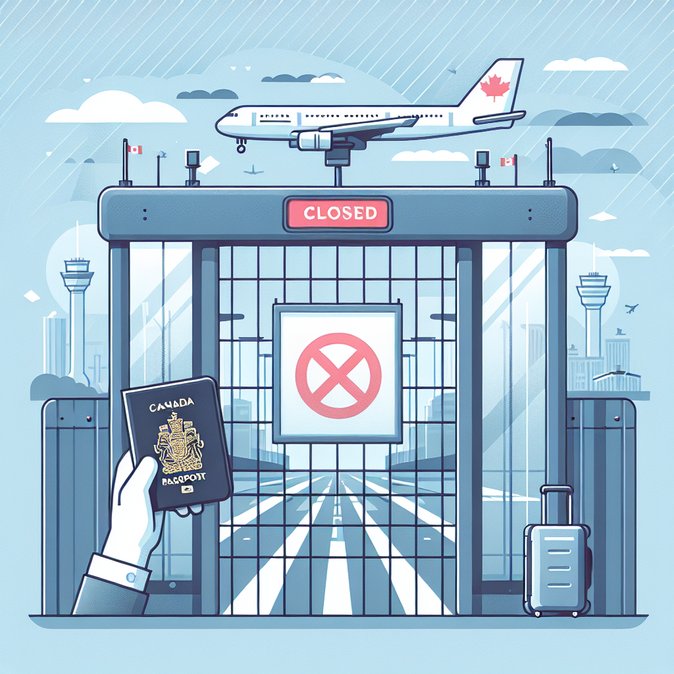
The United Kingdom’s long-signalled Electronic Travel Authorisation (ETA) regime is now fully live. From 00:01 GMT on 25 February 2026, air, rail and ferry carriers must refuse boarding to any visa-exempt passenger who cannot present a valid ETA, eVisa or British/Irish passport. The rule captures Canadian, U.S., Australian, EU and most other non-visa nationals—around 85 nationalities in total. Carriers face civil penalties for non-compliance and, under the UK’s “no permission, no travel” powers, travellers without an ETA will be turned away at departure points rather than on arrival. For corporate mobility managers the change ends the long-standing practice of allowing short-notice trips to the UK on nothing more than a passport and a boarding pass. Although the online ETA form takes only minutes to complete, it must be approved before check-in—an extra step that demands traveller education and system changes to booking workflows. The authorisation costs £16, is valid for two years (or until passport expiry) and permits multiple entries for stays of up to six months at a time.
![UK Begins Full ETA Enforcement, Requiring Canadians to Obtain Digital Travel Authorisation from 25 February 2026]()
VisaHQ can simplify this process for Canadian businesses: its dedicated portal (https://www.visahq.com/canada/) lets travellers submit ETA applications, track approvals in real time and receive automated reminders when document renewals are due—all services that can be integrated into existing corporate travel platforms to keep trips on schedule.
Canadian businesses will feel the impact immediately. London remains the number-one European destination for Canadian executives and engineers, while Britain is Canada’s third-largest services market. Travel teams should update pre-trip approval templates, revise “ready-to-fly” check-lists, and build ETA validation into duty-of-care platforms. Dual UK/Canadian citizens must travel on a valid British passport or carry proof of right of abode—using only a Canadian passport will trigger the ETA requirement and possible denied boarding. The UK Home Office emphasises that the ETA is a security screening tool comparable to the U.S. ESTA and Canada’s own eTA, and is a stepping-stone toward fully digital borders ahead of the EU’s ETIAS launch later in 2026. Unlike the ESTA, however, the ETA ties to a single passport number. Travellers renewing their passport mid-cycle will have to obtain a fresh ETA. Practical tips for Canadian organisations: 1) add the £16 fee to travel cost forecasts; 2) remind frequent travellers to apply at least 72 hours before departure; 3) store ETA confirmations in the traveller’s profile within the travel-management system; and 4) brief conference organisers that speakers and delegates must hold an approved ETA before airlines will issue a boarding pass. Failure to adapt could see key personnel stranded at the gate on what was previously a routine hop across the Atlantic.

VisaHQ can simplify this process for Canadian businesses: its dedicated portal (https://www.visahq.com/canada/) lets travellers submit ETA applications, track approvals in real time and receive automated reminders when document renewals are due—all services that can be integrated into existing corporate travel platforms to keep trips on schedule.
Canadian businesses will feel the impact immediately. London remains the number-one European destination for Canadian executives and engineers, while Britain is Canada’s third-largest services market. Travel teams should update pre-trip approval templates, revise “ready-to-fly” check-lists, and build ETA validation into duty-of-care platforms. Dual UK/Canadian citizens must travel on a valid British passport or carry proof of right of abode—using only a Canadian passport will trigger the ETA requirement and possible denied boarding. The UK Home Office emphasises that the ETA is a security screening tool comparable to the U.S. ESTA and Canada’s own eTA, and is a stepping-stone toward fully digital borders ahead of the EU’s ETIAS launch later in 2026. Unlike the ESTA, however, the ETA ties to a single passport number. Travellers renewing their passport mid-cycle will have to obtain a fresh ETA. Practical tips for Canadian organisations: 1) add the £16 fee to travel cost forecasts; 2) remind frequent travellers to apply at least 72 hours before departure; 3) store ETA confirmations in the traveller’s profile within the travel-management system; and 4) brief conference organisers that speakers and delegates must hold an approved ETA before airlines will issue a boarding pass. Failure to adapt could see key personnel stranded at the gate on what was previously a routine hop across the Atlantic.