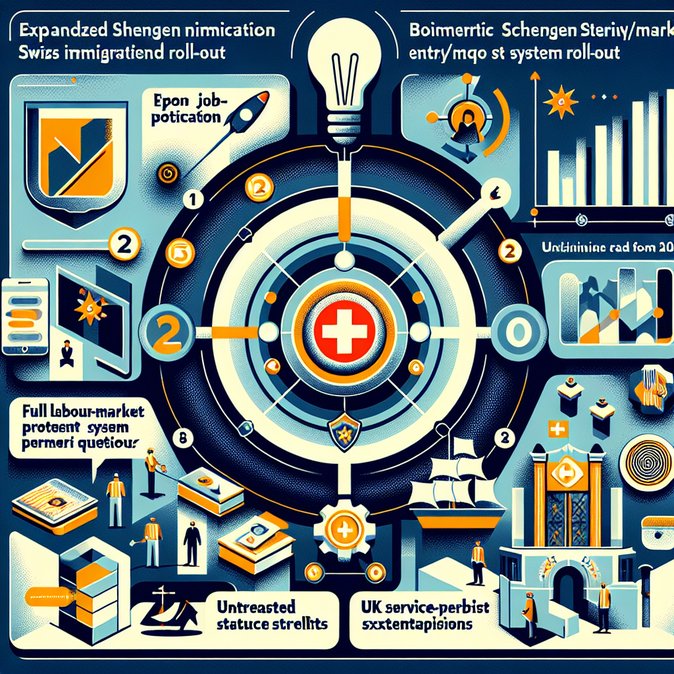
KPMG’s Global Mobility Services team released its much-anticipated Flash Alert 2026-043 on 24 February, distilling a raft of Swiss immigration developments that entered into force at the turn of the year and will shape workforce planning for the remainder of 2026. Chief among the changes is the expansion of the Stellenmeldepflicht—the job-notification requirement designed to protect the resident labour market. From 1 January 2026 the coverage threshold was lowered, bringing sales executives, multimedia designers and even kitchen staff under the mandatory five-day local-advertising rule. KPMG warns HR departments that the share of vacancies subject to notification has jumped from 6.5 % to 10.8 %, extending lead-times for recruitment and internal transfers. The alert also flags the phased roll-out of the Schengen Entry/Exit System (EES). Biometric kiosks are already live at Basel-Mulhouse and Geneva airports; Zurich and smaller external border points will follow by 9 April 2026. Non-EU/EFTA travellers will have fingerprints and facial images captured the first time they cross, creating a reusable digital record. KPMG recommends corporate travel desks brief employees on possible queueing during the bedding-in period and on the Travel to Europe pre-registration app that can shave minutes off arrival processing.
![KPMG Flash Alert outlines 2026 Swiss immigration changes businesses must act on]()
For organisations that would rather outsource the nuts and bolts of visa filing, work-permit packs and EES readiness, VisaHQ offers a one-stop Switzerland desk that keeps pace with every regulatory update. HR teams can launch applications, track status and chat with specialists through the dedicated portal at https://www.visahq.com/switzerland/ saving valuable time as the 2026 changes bed in.
On quota policy, the Swiss Federal Council has confirmed an unchanged ceiling of 8,500 long-term permits for non-EU nationals (4,000 L and 4,500 B permits) and separate sub-quotas for UK service providers—news that offers welcome predictability for multinational staffing models amid a tight talent market. Meanwhile, Croatian nationals now enjoy full free-movement rights after Bern decided in January not to trigger the safeguard clause, removing the last quota-based restriction within the EU-27. Finally, the Flash Alert reminds employers that temporary protection status S for people fleeing Ukraine has been extended to 4 March 2027 and that the Services Mobility Agreement with the UK has been prolonged to 2029, maintaining the popular “90-days-per-calendar-year” notification route for British short-term service suppliers. Taken together, the updates call for immediate policy refreshes inside mobility, recruiting and travel functions. Companies are advised to audit upcoming transfers for Stellenmeldepflicht exposure, budget extra time for first-time EES entries, and monitor quota utilisation—particularly in high-volume cantons such as Zurich and Vaud—before peak summer hiring begins.

For organisations that would rather outsource the nuts and bolts of visa filing, work-permit packs and EES readiness, VisaHQ offers a one-stop Switzerland desk that keeps pace with every regulatory update. HR teams can launch applications, track status and chat with specialists through the dedicated portal at https://www.visahq.com/switzerland/ saving valuable time as the 2026 changes bed in.
On quota policy, the Swiss Federal Council has confirmed an unchanged ceiling of 8,500 long-term permits for non-EU nationals (4,000 L and 4,500 B permits) and separate sub-quotas for UK service providers—news that offers welcome predictability for multinational staffing models amid a tight talent market. Meanwhile, Croatian nationals now enjoy full free-movement rights after Bern decided in January not to trigger the safeguard clause, removing the last quota-based restriction within the EU-27. Finally, the Flash Alert reminds employers that temporary protection status S for people fleeing Ukraine has been extended to 4 March 2027 and that the Services Mobility Agreement with the UK has been prolonged to 2029, maintaining the popular “90-days-per-calendar-year” notification route for British short-term service suppliers. Taken together, the updates call for immediate policy refreshes inside mobility, recruiting and travel functions. Companies are advised to audit upcoming transfers for Stellenmeldepflicht exposure, budget extra time for first-time EES entries, and monitor quota utilisation—particularly in high-volume cantons such as Zurich and Vaud—before peak summer hiring begins.