U.S. Travel Industry Blasts DHS Suspension of Global Entry Amid Shutdown
UK Enforces Digital Permission to Travel as ETA Becomes Mandatory
Germany rolls out fully-digital skilled-worker visa portal across all embassies
Latest News

Poland publishes landmark law phasing-out the 2022 “Special Act” for Ukrainian refugees
Poland has officially published a law that winds down the extraordinary protections granted to Ukrainians since 2022. From 5 March 2026 refugees must transition to regular residence-permit categories, while free healthcare and broad social benefits are restricted to vulnerable groups. Employers keep simplified hiring rules, but workers must update PESEL-UKR data and submit biometrics. The shift marks a move from emergency aid to structured integration and requires proactive compliance by HR and mobility teams.
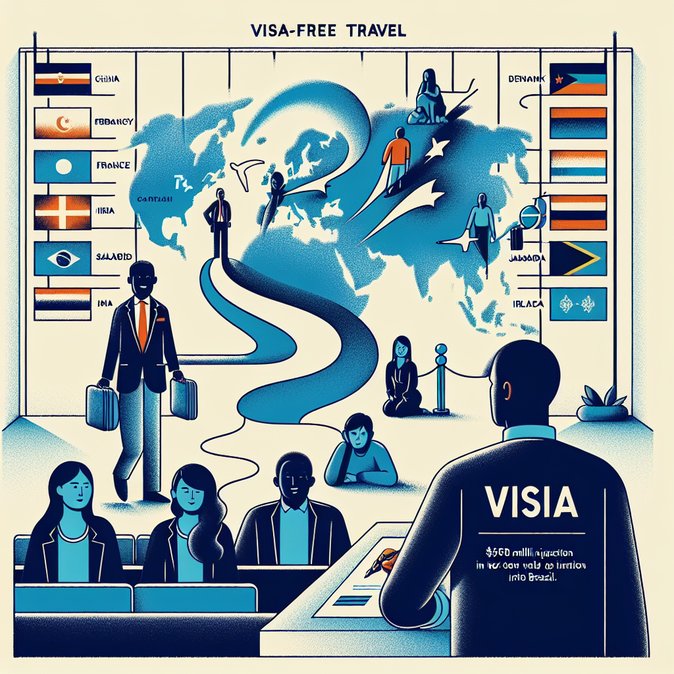
Brazil Opens Visa-Free Entry to Citizens of Eight Countries, Effective 24 February 2026
Brazil has waived short-stay visa requirements for citizens of China, Denmark, France, Hungary, Ireland, Jamaica, Saint Lucia and the Bahamas, effective 24 February 2026. Travellers may enter visa-free for 30 days, extendable to 90 days per year, a move expected to inject US $350 million into the tourism and MICE sectors. Companies should verify traveller eligibility and remind staff that work activities still require a separate residence visa.

EU Council approves wide-ranging mobility package with Switzerland
EU ministers authorised the signing of 18 updated and new bilateral agreements with Switzerland on 24 February 2026. The package modernises the Free Movement of Persons Agreement and transport accords, adds digital processes and sets up joint governance. Once ratified, the accords will simplify cross-border hiring, business travel and logistics, giving companies on both sides of the border clearer, EU-aligned rules.

Italian travellers warned: UK ETA becomes compulsory from 25 February
From 25 February 2026 every Italian tourist or business visitor to the UK must apply online for a £20 Electronic Travel Authorisation before boarding. Airlines will refuse travellers who cannot show an approved ETA, making it essential for corporate mobility teams to incorporate the new step into trip-approval workflows.

DHS & DOL Release 64,716 Supplemental H-2B Visas for FY 2026
DHS and DOL opened 64,716 extra H-2B visas on Feb 24 to ease acute seasonal-labor shortages. Most go to returning workers, with a carve-out for Central American and Haitian nationals. Construction, hospitality and seafood firms must act fast, while compliance teams should prepare for heightened audits.

Canadian Carriers Restore Puerto Vallarta Flights as Ottawa Updates Mexico Security Advisory
WestJet, Air Canada and four other Canadian carriers resumed flights to Puerto Vallarta and Guadalajara on 24 February after a security-related suspension. Ottawa downgraded its travel warning the same day, allowing airlines to restore normal schedules and reactivate flexible rebooking policies. The move averts further supply-chain headaches for incentive groups and winter sun travellers, but firms are urged to keep contingency measures in place.
French Airports Demand Summer Pause of EU Biometric Border Checks
On 24 February the ADP group asked the European Commission to authorise a summer suspension of the biometric Entry/Exit System at Paris-CDG and Orly, warning of five-hour queues if the April deadline is enforced. Airlines and airport associations back the request, saying technology and staffing are not yet ready. Mobility teams should expect continued switching between manual and biometric procedures and allow extra connection time.
China logs 17.8 million cross-border trips over Spring Festival break
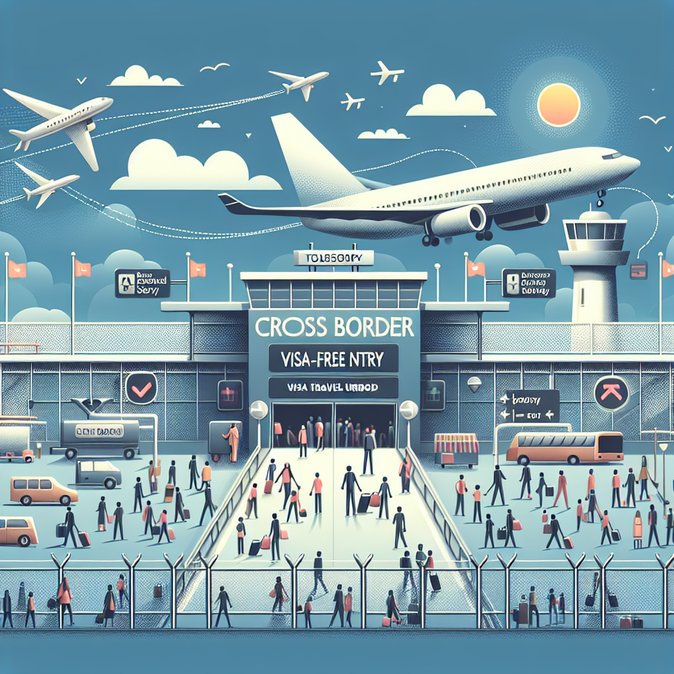
China processed nearly 18 million cross-border journeys during the 2026 Spring Festival holiday, with international arrivals up 22 percent and visa-free entries surging 29 percent. The figures underscore the rebound of China-bound business and leisure travel following the latest visa-waiver expansions.

Spain Extends Temporary Protection for Ukrainians Until March 2027
Spain has prolonged the temporary-protection regime for Ukrainians until 4 March 2027, safeguarding residence and work rights for more than 264,000 people. The move lets employers keep hiring without extra permits and offers beneficiaries continued access to health care, schooling and social support. For business, the extension locks in a valuable labour pool and underscores Spain’s liberal migration stance.

Finland’s Russia-border communities brace for long-term closure as economic pain eclipses security fears
A 24 February 2026 AFP report shows that the prolonged closure of Finland’s 1,340-km land border with Russia is hitting local businesses harder than expected. In towns like Tohmajärvi unemployment has jumped above 18 %, Russian customers have disappeared and logistics routes have rerouted westward. While security concerns prompted the shutdown, residents now fear economic decline more than Moscow. Companies and authorities are assessing new incentives and immigration channels to attract non-Russian workers to the affected regions.

Hong Kong widens visa-renewal filing window to boost talent retention
From 1 March 2026, Hong Kong will accept visa-renewal applications three months before expiry for most employment and talent admission categories. The longer runway lets companies and expatriates file paperwork well ahead of travel, eases Immigration Department backlogs and reinforces the city’s talent-retention push.
Aer Lingus scraps driver-licence travel option – Irish and UK passengers will need passports from 25 February
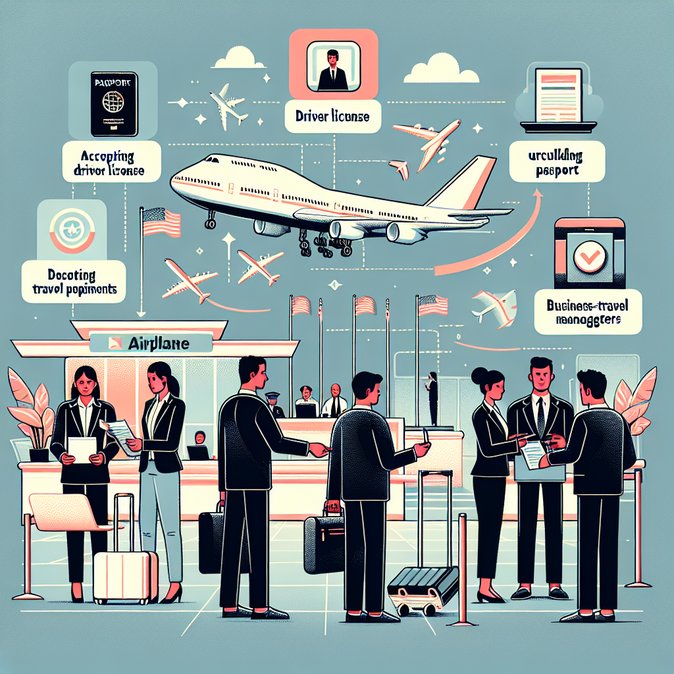
From 25 February 2026 Aer Lingus will require a passport or Irish Passport Card on all flights between Ireland and Great Britain, ending decades of driver-licence acceptance under the Common Travel Area. The move aligns the airline with Ryanair and coincides with the UK’s full ETA roll-out, meaning staff will check both passports and digital travel permissions at Irish airports. Business-travel managers must update policies immediately, ensure employees and dependants hold valid passports, and allow extra time at check-in next week.
Rome publishes emergency security-and-migration decree-law n. 23/2026
A new emergency decree-law, published on 24 February, stiffens Italy’s border-control and detention regime, expands pre-removal centres and introduces electronic service of documents to asylum seekers. Employers must prepare for stricter identity checks and higher fines for late reporting while lawyers anticipate constitutional challenges during the upcoming parliamentary conversion.
‘Vital’ New Border System: Independent Issues Last-Minute ETA Checklist for Visitors
The Independent’s 24 February explainer provides a last-minute, business-friendly ETA checklist, stressing that travellers without the £16 digital permit—or dual nationals without a British passport—will be denied boarding from 25 February. Corporate mobility teams are advised to audit itineraries and alert staff immediately.

Air Canada Alerts Travellers to New UK ETA Requirement Taking Effect 25 February
Air Canada has begun formally notifying customers that the UK will bar visa-exempt travellers without an Electronic Travel Authorisation from 25 February 2026. Canadian organisations must add the quick—but essential—digital permit to their pre-departure checks for all UK-bound staff.

Four Years On: Almost 30,000 Ukrainian War Refugees Still Rely on Austria’s Basic Support System
New ÖIF data show 29,923 Ukrainians still in Austria’s Basic Support scheme, with Vienna carrying 198 % of its federal quota. NGOs call for quicker diploma recognition and an extension of family allowances beyond June 2026, warning that otherwise many refugees could be forced back into collective housing or even out of the country. Businesses reliant on Ukrainian talent should prepare early for Red-White-Red card conversions.

European Parliament unveils first-ever EU Visa Policy Strategy in Brussels
The Commission presented its inaugural EU Visa Policy Strategy to the LIBE Committee on 24 February 2026. Key planks include full digitalisation of Schengen visas, tighter security screening via interoperable databases and the use of visa policy as a foreign-policy lever. Belgian companies stand to benefit from faster processing and greater predictability once the new system is rolled out.