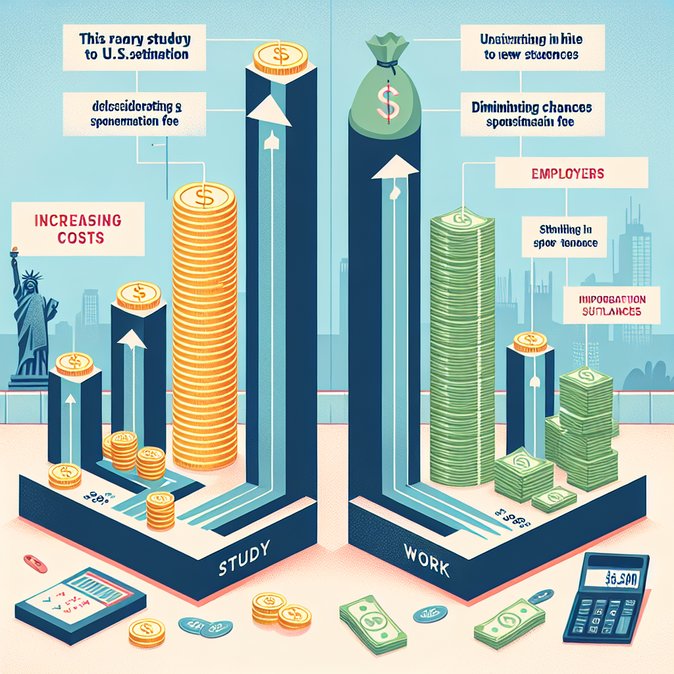
An Indian-American tech entrepreneur’s emotional X (formerly Twitter) thread went viral on February 23 2026, urging parents in India to "think twice before sending children to the U.S." after a friend died while waiting years for an H-1B approval. The Business Standard story that followed crystallized mounting frustration over the Trump administration’s September 2025 proclamation that tacked a US$100,000 upfront fee onto most new H-1B petitions. Under the proclamation, the fee is due before USCIS will even accept a filing, dwarfing the previous combined cost of roughly $6,500 and pricing out many small and mid-size employers. Although renewals approved before Sept 21 2025 are exempt, companies looking to hire abroad now face sticker shock—especially in STEM fields that rely heavily on Indian talent. The entrepreneur’s thread also highlighted the lottery’s slimmer odds: with a wage-weighted selection system due to start for FY 2027 registrations on March 4 2026, higher-paying employers will gain an edge, potentially sidelining entry-level candidates.
![Viral Post Rekindles Debate Over $100k H-1B Sponsorship Fee and Lottery Odds]()
Amid the shifting rules, services like VisaHQ can help applicants and employers navigate U.S. visa processes, offering real-time updates, document checklists, and application support in one place; more details are available at https://www.visahq.com/united-states/
Indian social media exploded with advice to pursue Canada, the U.K. Graduate Route, or Australia’s Subclass 482 instead. For U.S. corporates the episode is another signal that talent pipelines are fraying. Immigration counsel recommend budgeting early for the six-figure fee, exploring L-1 intracompany transfers where possible, and communicating transparently with recruits about timelines. Universities fear the optics could suppress Fall 2026 graduate enrollments.

Amid the shifting rules, services like VisaHQ can help applicants and employers navigate U.S. visa processes, offering real-time updates, document checklists, and application support in one place; more details are available at https://www.visahq.com/united-states/
Indian social media exploded with advice to pursue Canada, the U.K. Graduate Route, or Australia’s Subclass 482 instead. For U.S. corporates the episode is another signal that talent pipelines are fraying. Immigration counsel recommend budgeting early for the six-figure fee, exploring L-1 intracompany transfers where possible, and communicating transparently with recruits about timelines. Universities fear the optics could suppress Fall 2026 graduate enrollments.