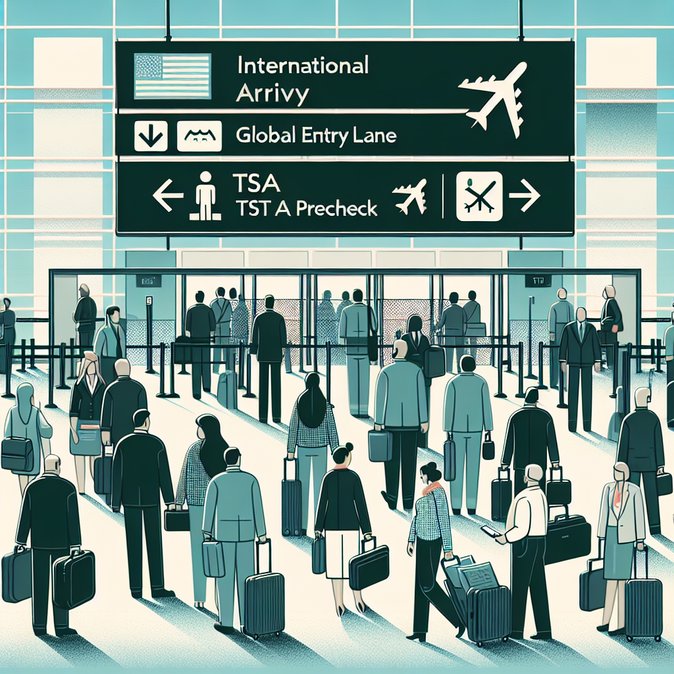
Travelers arriving at U.S. airports on February 23 2026 woke to find the Global Entry kiosks dark and the familiar fast-track lines taped off. The Department of Homeland Security, caught in a two-week-old agency-specific funding lapse, confirmed overnight that the trusted-traveler program would remain suspended “until appropriations are restored.” Airlines for America warned that the move could add "critical minutes" to international connection times and erode the United States’ competitiveness for business travel.
![Global Entry Halted as DHS Shutdown Drags On, PreCheck Partially Restored]()
For travelers searching for ways to soften the blow of longer lines or to understand which documents might speed future trips, VisaHQ offers a one-stop digital platform for U.S. visas and dozens of other entry permits. Its portal (https://www.visahq.com/united-states/) walks users through each application step, provides real-time status alerts, and can arrange courier pick-up—helpful tools when programs like Global Entry unexpectedly go offline.
In the same statement DHS said that TSA PreCheck lanes—which had been slated to close as well—would continue operating after an internal review found sufficient fee-supported funds. Houston’s Bush and Hobby airports reported normal PreCheck wait times by mid-morning, but returning Global Entry members funneled into standard CBP queues that stretched more than an hour at some gateways. The shutdown affects only DHS; other federal agencies remain funded. Because Global Entry officers are classified as “excepted” personnel, they continue to work without pay, yet the program’s technology vendors cannot be compensated, forcing a halt in maintenance and data exchange. CBP said it lacks legal authority to tap user-fee reserves during a funding gap. Multinational companies are advising executives to build at least 45 minutes of extra connection time into itineraries and to consider alternative programs such as Mobile Passport Control, which remains active. Frequent-flyer forums lit up with reports of missed onward flights to Boston and Chicago. Travel-management companies predict that if the suspension lasts beyond March, some firms will shift regional meetings to Canada or Mexico to avoid U.S. re-entry delays.

For travelers searching for ways to soften the blow of longer lines or to understand which documents might speed future trips, VisaHQ offers a one-stop digital platform for U.S. visas and dozens of other entry permits. Its portal (https://www.visahq.com/united-states/) walks users through each application step, provides real-time status alerts, and can arrange courier pick-up—helpful tools when programs like Global Entry unexpectedly go offline.
In the same statement DHS said that TSA PreCheck lanes—which had been slated to close as well—would continue operating after an internal review found sufficient fee-supported funds. Houston’s Bush and Hobby airports reported normal PreCheck wait times by mid-morning, but returning Global Entry members funneled into standard CBP queues that stretched more than an hour at some gateways. The shutdown affects only DHS; other federal agencies remain funded. Because Global Entry officers are classified as “excepted” personnel, they continue to work without pay, yet the program’s technology vendors cannot be compensated, forcing a halt in maintenance and data exchange. CBP said it lacks legal authority to tap user-fee reserves during a funding gap. Multinational companies are advising executives to build at least 45 minutes of extra connection time into itineraries and to consider alternative programs such as Mobile Passport Control, which remains active. Frequent-flyer forums lit up with reports of missed onward flights to Boston and Chicago. Travel-management companies predict that if the suspension lasts beyond March, some firms will shift regional meetings to Canada or Mexico to avoid U.S. re-entry delays.