The United Nations High Commissioner for Refugees (UNHCR) has released a 14-page Protection-Sector Legal Update dated 23 February 2026 that pulls together every immigration, asylum and border-management change adopted by Poland since the turn of the year. Though aimed primarily at humanitarian partners, the bulletin has become essential reading for corporate mobility teams because it distils hundreds of pages of Polish legislation into a single roadmap and pinpoints transition deadlines.
![UNHCR issues 23 February Protection-Sector bulletin mapping Poland’s 2026 immigration reforms]()
VisaHQ’s Poland specialists can help companies navigate these upcoming Polish rule changes by assembling MOS-compatible application packages, arranging apostilles for civil-status documents, and scheduling embassy or voivodeship appointments through a single online dashboard—freeing HR staff to focus on business priorities. Full service details are available at https://www.visahq.com/poland/
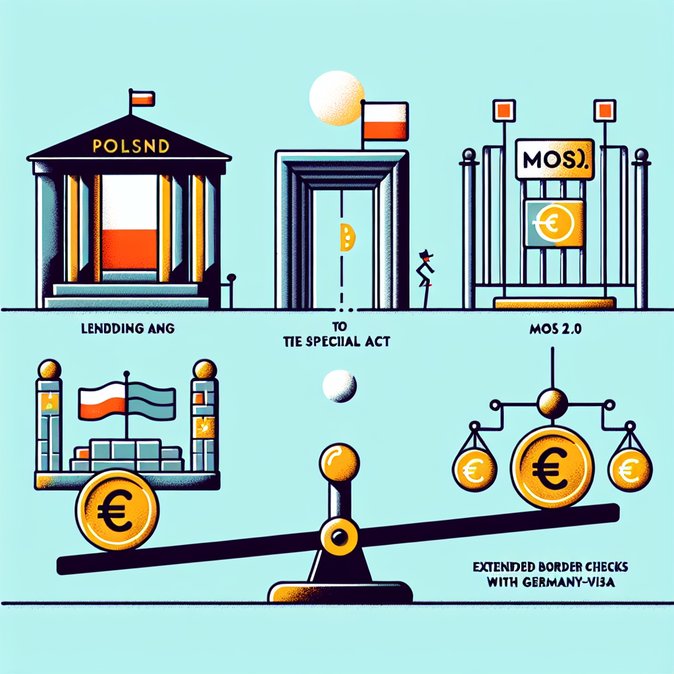
Key take-aways include confirmation that the Special Act for Ukrainians will expire on 5 March, an outline of how beneficiaries will migrate into the general Law on Foreigners, and a reminder that all residence-permit applications will have to be filed through the new digital “Moduł Obsługi Spraw (MOS) 2.0” platform from 1 July 2026. UNHCR warns that filings delivered on paper after the MOS switch-over will be rejected outright and that foreigners who miss the digital-submission window may fall out of legal stay, automatically voiding any linked work-permit notifications. The agency also flags a steep rise in national-visa fees—from €105 to €200—effective 1 March 2026, as well as stricter document requirements for family-reunification cases. For employers the bulletin is a de-facto compliance checklist. HR departments are advised to budget for higher out-of-pocket visa costs, train staff on the MOS interface, and build in extra lead-time for family moves that now require full, apostilled civil-status records. UNHCR furthermore predicts a short-term backlog as voivodeship offices consolidate legacy paper files into the MOS queue; multinational companies are therefore urged to file renewals early—especially for key employees whose current cards expire in Q3 2026. The bulletin also notes that Poland will maintain temporary border controls with Germany and Lithuania until at least 4 April 2026, prolonging random ID checks that have already slowed road freight and commuter traffic. Cross-border sales teams should factor potential delays into travel schedules and carry proof of purpose of trip. UNHCR’s updates are published on its Operational Data Portal, and mobility professionals are encouraged to monitor the site: further flash notes are promised after the Special Act sunsets in early March.

VisaHQ’s Poland specialists can help companies navigate these upcoming Polish rule changes by assembling MOS-compatible application packages, arranging apostilles for civil-status documents, and scheduling embassy or voivodeship appointments through a single online dashboard—freeing HR staff to focus on business priorities. Full service details are available at https://www.visahq.com/poland/
Key take-aways include confirmation that the Special Act for Ukrainians will expire on 5 March, an outline of how beneficiaries will migrate into the general Law on Foreigners, and a reminder that all residence-permit applications will have to be filed through the new digital “Moduł Obsługi Spraw (MOS) 2.0” platform from 1 July 2026. UNHCR warns that filings delivered on paper after the MOS switch-over will be rejected outright and that foreigners who miss the digital-submission window may fall out of legal stay, automatically voiding any linked work-permit notifications. The agency also flags a steep rise in national-visa fees—from €105 to €200—effective 1 March 2026, as well as stricter document requirements for family-reunification cases. For employers the bulletin is a de-facto compliance checklist. HR departments are advised to budget for higher out-of-pocket visa costs, train staff on the MOS interface, and build in extra lead-time for family moves that now require full, apostilled civil-status records. UNHCR furthermore predicts a short-term backlog as voivodeship offices consolidate legacy paper files into the MOS queue; multinational companies are therefore urged to file renewals early—especially for key employees whose current cards expire in Q3 2026. The bulletin also notes that Poland will maintain temporary border controls with Germany and Lithuania until at least 4 April 2026, prolonging random ID checks that have already slowed road freight and commuter traffic. Cross-border sales teams should factor potential delays into travel schedules and carry proof of purpose of trip. UNHCR’s updates are published on its Operational Data Portal, and mobility professionals are encouraged to monitor the site: further flash notes are promised after the Special Act sunsets in early March.