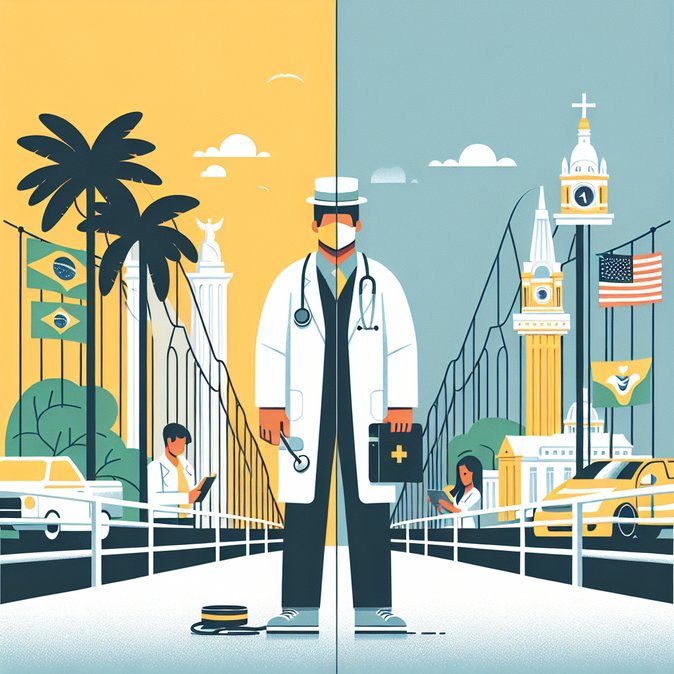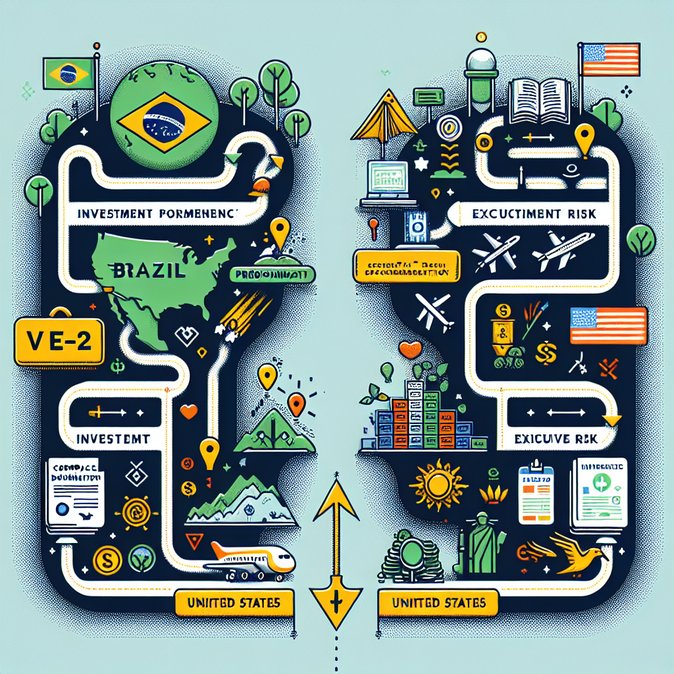
Brazilian nursing students have gained a dedicated launch-pad for North-American careers. On 23 February 2026 the Porto Alegre-based Faculdade Factum and the Instituto Cultural Brasileiro Norte-Americano (ICBNA) unveiled the programme “Enfermagem Sem Fronteiras”, created after U.S. Bureau of Labor Statistics projections showed 440,000 extra nursing vacancies in the United States over the next five years. The five-year track weaves ten elective subjects into Factum’s undergraduate curriculum: academic English, NCLEX exam preparation, comparative health-system legislation and clinical-protocol alignment with WHO, CDC and ANA standards. Students finish with TOEFL-level English plus a mapped plan for diploma validation in the state where they will be hired. U.S.-based Brazilian nurse Marlon Miranda, who has already mentored more than 450 compatriots through licensing, will head the technical strand. Graduates receive employer sponsorship that converts the temporary H-1B or EB-3 immigrant-visa petition into permanent residence for the nurse and immediate family.
![New ‘Enfermagem Sem Fronteiras’ pathway readies Brazilian nurses for U.S. green-card jobs]()
At that paperwork-heavy stage, many candidates and HR departments turn to third-party facilitators for peace of mind. VisaHQ’s Brazil portal (https://www.visahq.com/brazil/) offers step-by-step checklists, real-time status tracking and concierge review services for everything from H-1B petitions to dependents’ travel visas, ensuring that no critical form or fee slips through the cracks.
The organisers emphasise early compliance: missing a single Board-of-Nursing document or English-proficiency benchmark can delay deployment by a full academic year. For multinational hospital chains recruiting in Brazil, the scheme offers a predictable talent pipeline that short-circuits chronic shortages in geriatric, mental-health and rural care. Employers avoid the cost of on-site language tuition and reduce attrition because trainees commit to three-year contracts in return for visa sponsorship. Human-resources teams should pencil an 18-to-24-month lead time: diploma translation, CGFNS credential verification and state-board fingerprinting remain mandatory. Practical tip: corporate mobility managers placing nurses in 2027/28 should book NCLEX testing slots six months ahead—the Pearson VUE network in Brazil currently has only four centres able to deliver the exam.

At that paperwork-heavy stage, many candidates and HR departments turn to third-party facilitators for peace of mind. VisaHQ’s Brazil portal (https://www.visahq.com/brazil/) offers step-by-step checklists, real-time status tracking and concierge review services for everything from H-1B petitions to dependents’ travel visas, ensuring that no critical form or fee slips through the cracks.
The organisers emphasise early compliance: missing a single Board-of-Nursing document or English-proficiency benchmark can delay deployment by a full academic year. For multinational hospital chains recruiting in Brazil, the scheme offers a predictable talent pipeline that short-circuits chronic shortages in geriatric, mental-health and rural care. Employers avoid the cost of on-site language tuition and reduce attrition because trainees commit to three-year contracts in return for visa sponsorship. Human-resources teams should pencil an 18-to-24-month lead time: diploma translation, CGFNS credential verification and state-board fingerprinting remain mandatory. Practical tip: corporate mobility managers placing nurses in 2027/28 should book NCLEX testing slots six months ahead—the Pearson VUE network in Brazil currently has only four centres able to deliver the exam.