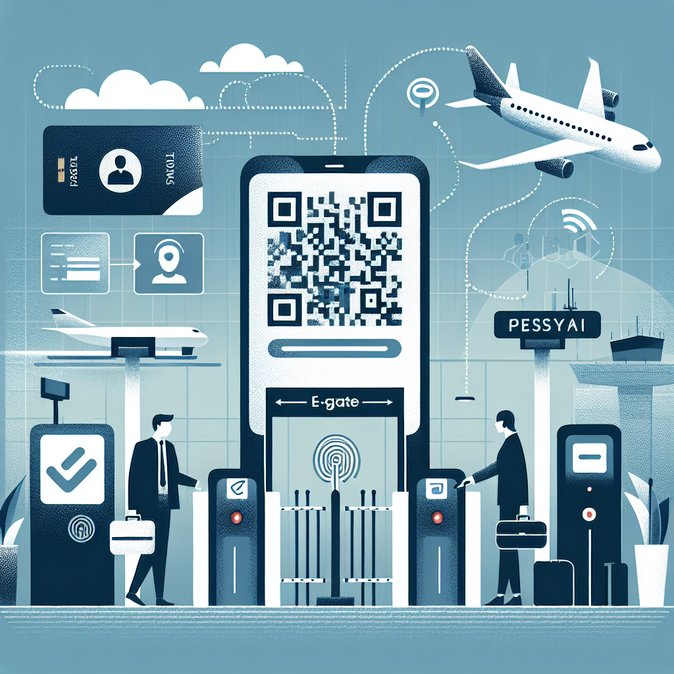
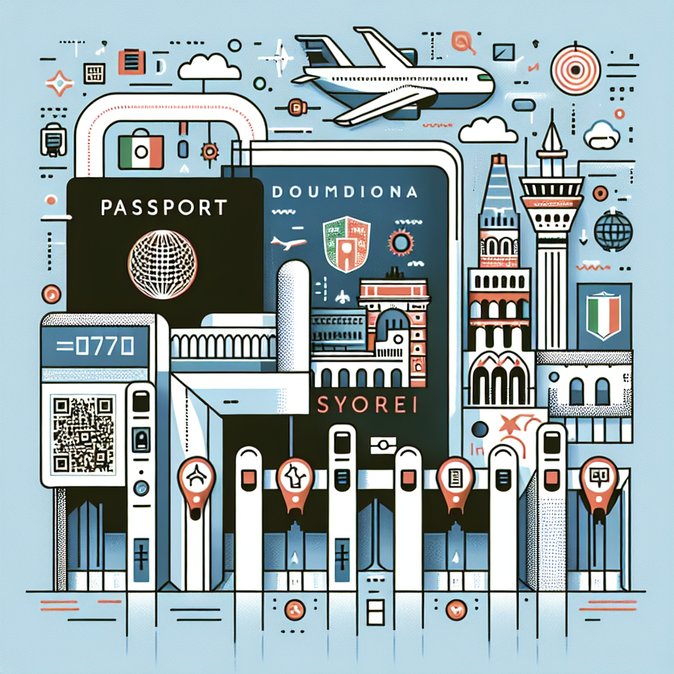
On 22 February Italy joined the Schengen digitalisation wave, announcing that its consulates will replace traditional visa stickers with **QR-coded PDF e-visas** and that 150 biometric e-gates will be installed at Rome-Fiumicino, Milan-Malpensa, Venice and Bologna airports by December 2026. The e-visa files—cryptographically signed to prevent tampering—will be emailed to successful applicants, who must print and carry them with the passport whose number is embedded in the code.
![Italy Unveils Digital E-Visa PDFs and 150 Biometric E-Gates Ahead of ETIAS Roll-out]()
For travellers who would rather not navigate the new system alone, VisaHQ’s India portal (https://www.visahq.com/india/) can guide applicants through every step, from document pre-checks and biometric appointment scheduling to real-time status updates, making sure the QR-coded PDF e-visa is fully compliant before departure.
Border police will scan the QR code to pull up the visa record and the traveller’s facial image captured during enrolment. For Indian applicants the change promises shorter consulate visits (no physical label affixing) and eliminates courier delays. However, the digital format could complicate multi-stop Schengen itineraries if other member states’ carriers or hotels are slow to recognise the new look. Travel managers should brief employees about carrying both the PDF and a hard copy. Italy’s e-visa is timed to dovetail with the European Travel Information and Authorisation System (ETIAS) fee of €20 for visa-exempt nationals, expected in late 2026. While ETIAS does not apply to Indians (who need a visa), companies should prepare for twin processes when moving mixed-nationality teams. A pilot group of frequent-traveller Indians employed by Italian firms in Bengaluru and Pune will test the e-visa in July. Feedback will shape a full global switchover in January 2027, after which paper stickers will be invalid. Carriers must update DCS software to read the QR code, and Indian immigration officers will need training to recognise the document on exit checks.
For travellers who would rather not navigate the new system alone, VisaHQ’s India portal (https://www.visahq.com/india/) can guide applicants through every step, from document pre-checks and biometric appointment scheduling to real-time status updates, making sure the QR-coded PDF e-visa is fully compliant before departure.
Border police will scan the QR code to pull up the visa record and the traveller’s facial image captured during enrolment. For Indian applicants the change promises shorter consulate visits (no physical label affixing) and eliminates courier delays. However, the digital format could complicate multi-stop Schengen itineraries if other member states’ carriers or hotels are slow to recognise the new look. Travel managers should brief employees about carrying both the PDF and a hard copy. Italy’s e-visa is timed to dovetail with the European Travel Information and Authorisation System (ETIAS) fee of €20 for visa-exempt nationals, expected in late 2026. While ETIAS does not apply to Indians (who need a visa), companies should prepare for twin processes when moving mixed-nationality teams. A pilot group of frequent-traveller Indians employed by Italian firms in Bengaluru and Pune will test the e-visa in July. Feedback will shape a full global switchover in January 2027, after which paper stickers will be invalid. Carriers must update DCS software to read the QR code, and Indian immigration officers will need training to recognise the document on exit checks.