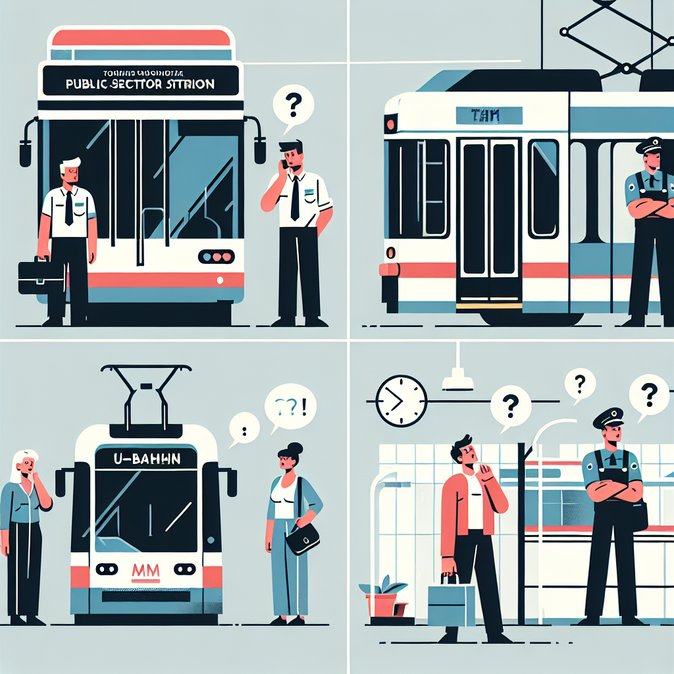
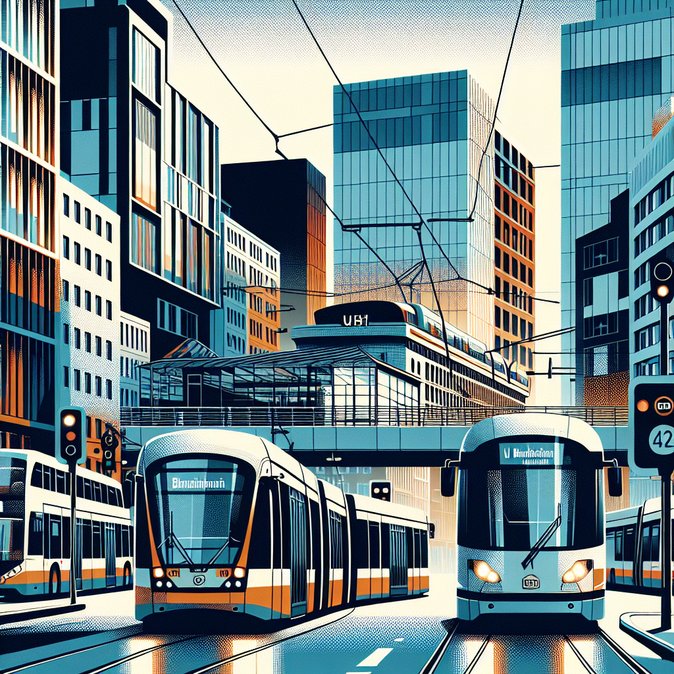
Germany’s Verdi union escalated its wage dispute with municipal transport companies on 22 February by announcing a coordinated 48-hour walk-out that will hit buses, trams and most U-Bahn systems from the early hours of Friday 27 February through Saturday night. More than 30,000 employees at over 150 local operators are expected to participate, affecting every federal state. Long-distance Deutsche Bahn and S-Bahn services are exempt, but ripple-effects are inevitable as commuters scramble for alternatives. Verdi is demanding a reduction of the weekly working time from 39 to 37 hours with full wage compensation, higher night- and weekend premiums, and longer rest periods between split shifts.
![Verdi Calls 48-Hour Nationwide Local-Transport Strike for 27–28 February]()
If you’re planning travel to Germany during this period, VisaHQ can simplify the paperwork side of your trip. From Schengen visas to residence permits, our online platform (https://www.visahq.com/germany/) walks applicants through every requirement, offers status tracking, and provides dedicated support—so you spend less time on forms and more time adjusting your itinerary around potential strike days.
Talks with the Association of Municipal Employers (VKA) stalled last week after management offered a staggered 8 % pay rise without changes to rosters. Union deputy chair Christine Behle said that “without binding concessions on workload, the system will bleed skilled drivers to the private sector.” Corporate travel managers are bracing for disruption in Berlin, Munich, Frankfurt and Hamburg—cities where business visitors rely heavily on integrated ticketing. Hotels have begun compiling bicycle- and car-sharing options for guests; several event organisers have shifted meetings online. Insurers note that employers could face duty-of-care liabilities if travellers are stranded overnight and exceed maximum driving hours in rental cars. Political reaction has been mixed. While Green and Left Party lawmakers back the strikes as a “necessary push for climate-friendly mobility careers,” conservative premiers in Bavaria and Saxony accuse Verdi of “hostage-taking” and threaten to tighten minimum-service legislation. The outcome of the next bargaining round on 25 February in Frankfurt will decide whether the shutdown proceeds. Either way, the warning serves as a reminder that Germany’s decentralised public-transport landscape can still deliver nationwide paralysis when unions synchronise action.
If you’re planning travel to Germany during this period, VisaHQ can simplify the paperwork side of your trip. From Schengen visas to residence permits, our online platform (https://www.visahq.com/germany/) walks applicants through every requirement, offers status tracking, and provides dedicated support—so you spend less time on forms and more time adjusting your itinerary around potential strike days.
Talks with the Association of Municipal Employers (VKA) stalled last week after management offered a staggered 8 % pay rise without changes to rosters. Union deputy chair Christine Behle said that “without binding concessions on workload, the system will bleed skilled drivers to the private sector.” Corporate travel managers are bracing for disruption in Berlin, Munich, Frankfurt and Hamburg—cities where business visitors rely heavily on integrated ticketing. Hotels have begun compiling bicycle- and car-sharing options for guests; several event organisers have shifted meetings online. Insurers note that employers could face duty-of-care liabilities if travellers are stranded overnight and exceed maximum driving hours in rental cars. Political reaction has been mixed. While Green and Left Party lawmakers back the strikes as a “necessary push for climate-friendly mobility careers,” conservative premiers in Bavaria and Saxony accuse Verdi of “hostage-taking” and threaten to tighten minimum-service legislation. The outcome of the next bargaining round on 25 February in Frankfurt will decide whether the shutdown proceeds. Either way, the warning serves as a reminder that Germany’s decentralised public-transport landscape can still deliver nationwide paralysis when unions synchronise action.