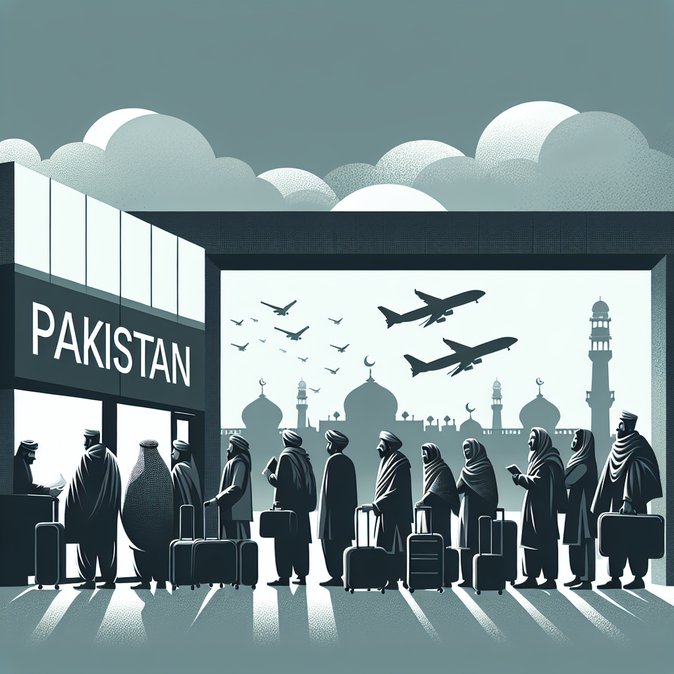
Overnight Pakistani air strikes that killed at least 18 civilians in eastern Afghanistan triggered an angry Taliban response and renewed fears for the 1.3 million Afghans sheltering in Pakistan on temporary cards. ABC coverage on 22 February notes that thousands of those refugees have already lodged – and paid for – Australian humanitarian-visa applications but are yet to receive interview dates. Islamabad has threatened mass deportations, giving many applicants barely weeks to secure onward resettlement before they face forced return to Taliban-controlled territory. Aid groups say several families with pending Australian cases have gone into hiding, skipping UNHCR appointments and risking visa cancellation because travel is now dangerous.
![Escalating Pakistan-Afghanistan conflict leaves refugees in limbo as Australian humanitarian-visa queue stalls]()
In this volatile setting, VisaHQ’s Australia team can step in to help refugees and their sponsors track shifting entry rules, secure emergency travel documents and line up embassy appointments at short notice; more information is available at https://www.visahq.com/australia/
The episode exposes a design flaw in offshore humanitarian processing: applicants must remain legally in a third country while their claim is assessed, but host-country tolerance can evaporate overnight. Corporate mobility teams that sponsor Afghan employees, contractors or scholarship students should monitor individual legal status in Pakistan daily and be ready to support emergency transit to a safer third country such as Oman or Qatar if Islamabad proceeds with deportations. The Department of Home Affairs has not commented publicly, but officials told community advocates that “contingency options” – including remote interviews and temporary entry permits to Australia pending full security checks – are under active consideration. If adopted, that would mirror fast-track arrangements used for Ukrainian and Myanmar nationals in 2022-23.

In this volatile setting, VisaHQ’s Australia team can step in to help refugees and their sponsors track shifting entry rules, secure emergency travel documents and line up embassy appointments at short notice; more information is available at https://www.visahq.com/australia/
The episode exposes a design flaw in offshore humanitarian processing: applicants must remain legally in a third country while their claim is assessed, but host-country tolerance can evaporate overnight. Corporate mobility teams that sponsor Afghan employees, contractors or scholarship students should monitor individual legal status in Pakistan daily and be ready to support emergency transit to a safer third country such as Oman or Qatar if Islamabad proceeds with deportations. The Department of Home Affairs has not commented publicly, but officials told community advocates that “contingency options” – including remote interviews and temporary entry permits to Australia pending full security checks – are under active consideration. If adopted, that would mirror fast-track arrangements used for Ukrainian and Myanmar nationals in 2022-23.