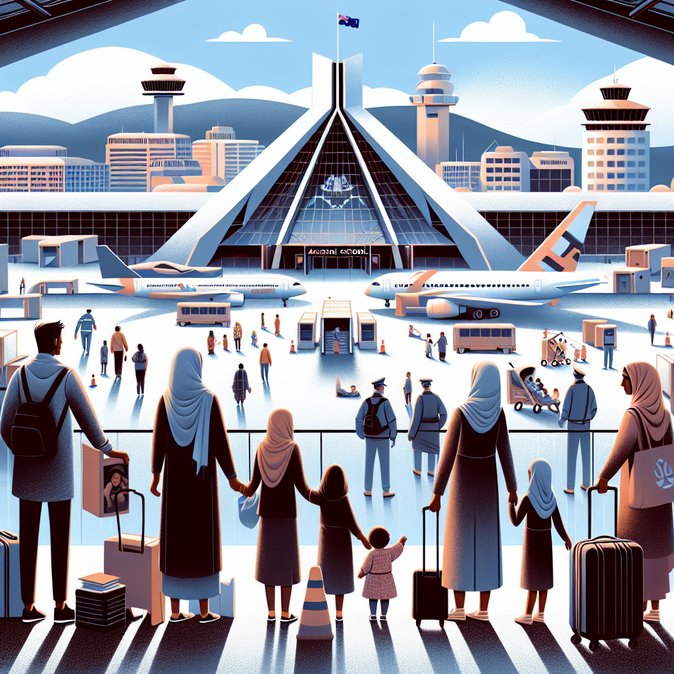
Home Affairs Minister Tony Burke spent the morning of 22 February fending off questions about an Australian cohort stranded in the Roj detention camp in north-eastern Syria. Eleven women – most the widows of Islamic-State fighters – and 23 children have tried repeatedly to leave the Kurdish-run facility as fighting in the region escalates. Burke told reporters that only one woman currently meets the threshold for a Temporary Exclusion Order (TEO) and that the Passport Act gives Australian citizens an almost automatic right of re-entry. Intelligence agencies, he said, have “mapped the ideology, mental state and travel history of every individual”, but find the group “not a coherent threat bloc”. Critics on both sides of politics are frustrated by what they see as Canberra’s “hands-off” stance. The Coalition argues that, without firmer ministerial powers, the women may board commercial flights once they secure travel documents; human-rights groups counter that indefinite detention without charge is untenable and that children are paying the price.
![Canberra admits it has few legal levers to stop 34 ISIS-linked women and children returning from Syria]()
Travel planners looking to navigate this complex regulatory landscape can turn to VisaHQ’s Australian portal (https://www.visahq.com/australia/), which consolidates the latest visa and passport requirements—including updates on instruments such as TEOs—into one easy reference. The platform helps corporations, families and individuals flag potential compliance issues early, reducing the risk of last-minute travel disruptions.
In practical terms, corporate travel and relocation teams need to be alert to fast-moving exclusion rules. A TEO can bar a passport-holder from boarding a flight to Australia for two years and carries heavy jail penalties for breach. Travel managers moving personnel through the Middle East should verify whether staff or family members could be subject to sudden arrival bans. Longer term, the case underscores the Albanese government’s reluctance to create absolute ministerial discretion over citizens’ movement. Unless Parliament amends the law, Australian passport-holders – no matter how controversial – keep a near-unfettered right to come home, leaving risk-mitigation to post-arrival monitoring, surveillance and, where possible, prosecution.
Travel planners looking to navigate this complex regulatory landscape can turn to VisaHQ’s Australian portal (https://www.visahq.com/australia/), which consolidates the latest visa and passport requirements—including updates on instruments such as TEOs—into one easy reference. The platform helps corporations, families and individuals flag potential compliance issues early, reducing the risk of last-minute travel disruptions.
In practical terms, corporate travel and relocation teams need to be alert to fast-moving exclusion rules. A TEO can bar a passport-holder from boarding a flight to Australia for two years and carries heavy jail penalties for breach. Travel managers moving personnel through the Middle East should verify whether staff or family members could be subject to sudden arrival bans. Longer term, the case underscores the Albanese government’s reluctance to create absolute ministerial discretion over citizens’ movement. Unless Parliament amends the law, Australian passport-holders – no matter how controversial – keep a near-unfettered right to come home, leaving risk-mitigation to post-arrival monitoring, surveillance and, where possible, prosecution.