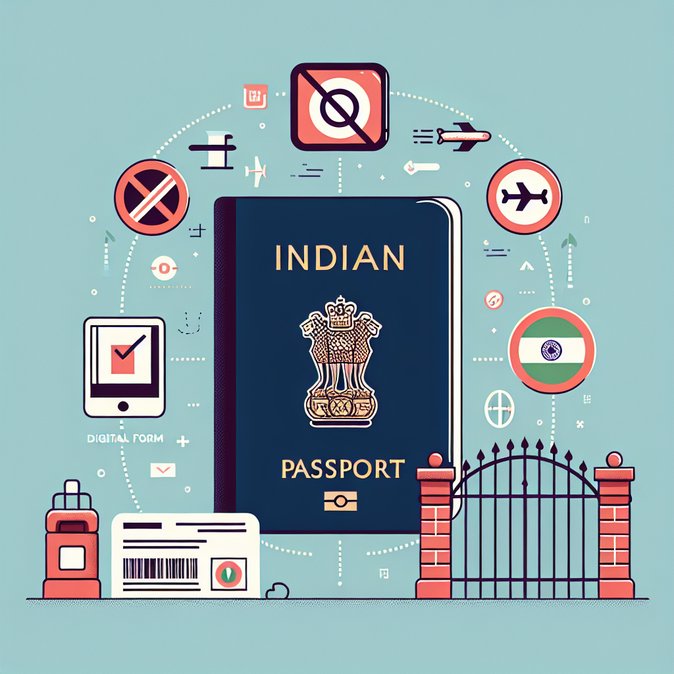
In a move that will streamline one of corporate India’s busiest visa channels, the UK Home Office confirmed on 21 February 2026 that all standard visitor visas issued to Indian nationals will transition to digital e-Visas from 25 February. The modernisation means Indian travellers will no longer have vignettes pasted into their passports; instead, immigration status will exist in an online UK Visas & Immigration (UKVI) account linked to their travel document number. Applicants must still attend a VFS Global centre for biometrics and document scanning, but their passports will now be returned the same day—eliminating the week-long passport retention that frequently disrupted multi-country trip plans.
![UK to scrap visa stickers for Indians: fully digital e-Visas begin 25 February 2026]()
For travellers or corporate travel managers seeking end-to-end assistance with the new e-Visa process, VisaHQ’s India office offers a digital-first concierge service that can handle UK applications from start to finish. The platform (https://www.visahq.com/india/) walks applicants through UKVI forms, schedules biometrics at the nearest VFS centre, and provides live status tracking—helping companies adapt smoothly to the passport-less regime.
For corporates, this change removes a major logistical bottleneck for last-minute Europe swings that combine the UK with Schengen meetings, because passports remain physically available for other consular services. At the border, Indian visitors will present their passport and are advised—but not required—to carry a print-out or screenshot of the e-Visa decision letter. Airlines will verify status via the new Advance Permission to Travel system, similar to Australia’s ETA checks. UKVI said the shift is a stepping-stone toward digital work permits and will integrate with the India–UK Migration & Mobility Partnership, potentially easing future intra-company transfer compliance. The announcement coincides with the UK’s phased introduction of Electronic Travel Authorisations (ETAs) for visa-exempt nationalities, underscoring Britain’s broader digital-border strategy. Travel managers should revise UK entry briefings, ensure traveller profiles include the email address used for UKVI accounts, and remind staff that visa nationals such as India do not need to apply for an ETA in addition to their e-Visa. Finally, employers hosting UK-bound delegations this spring should budget extra time for first-use education: the UKVI portal requires two-factor authentication, and travellers must update their account if they renew their passport mid-visa.

For travellers or corporate travel managers seeking end-to-end assistance with the new e-Visa process, VisaHQ’s India office offers a digital-first concierge service that can handle UK applications from start to finish. The platform (https://www.visahq.com/india/) walks applicants through UKVI forms, schedules biometrics at the nearest VFS centre, and provides live status tracking—helping companies adapt smoothly to the passport-less regime.
For corporates, this change removes a major logistical bottleneck for last-minute Europe swings that combine the UK with Schengen meetings, because passports remain physically available for other consular services. At the border, Indian visitors will present their passport and are advised—but not required—to carry a print-out or screenshot of the e-Visa decision letter. Airlines will verify status via the new Advance Permission to Travel system, similar to Australia’s ETA checks. UKVI said the shift is a stepping-stone toward digital work permits and will integrate with the India–UK Migration & Mobility Partnership, potentially easing future intra-company transfer compliance. The announcement coincides with the UK’s phased introduction of Electronic Travel Authorisations (ETAs) for visa-exempt nationalities, underscoring Britain’s broader digital-border strategy. Travel managers should revise UK entry briefings, ensure traveller profiles include the email address used for UKVI accounts, and remind staff that visa nationals such as India do not need to apply for an ETA in addition to their e-Visa. Finally, employers hosting UK-bound delegations this spring should budget extra time for first-use education: the UKVI portal requires two-factor authentication, and travellers must update their account if they renew their passport mid-visa.
More From India
View all
India rolls out DigiYatra biometric boarding at six more airports, taking the programme nationwide to 13 hubs

Japan ends walk-in visa submissions in South India; online appointments mandatory from 2 March 2026