The European Union’s high-tech Entry/Exit System (EES) has moved into its mandatory phase, and Switzerland—one of 29 participating Schengen and associated states—is racing to meet the final compliance deadline of 10 April 2026. A detailed briefing published on 20 February by industry journal Travel and Tour World sets out how the scheme is already reshaping border experiences from Madrid to Zurich. For Switzerland the immediate priority is throughput.
![EU Entry/Exit System Enters Final Phase—What the April Deadline Means for Travellers to Switzerland]()
Travellers and corporate mobility teams who need practical help navigating these new biometric rules can turn to VisaHQ’s dedicated Switzerland portal (https://www.visahq.com/switzerland/), which aggregates up-to-date EES and ETIAS guidance, runs instant visa-eligibility checks, and streamlines applications—so paperwork is handled long before you reach the airport kiosks.
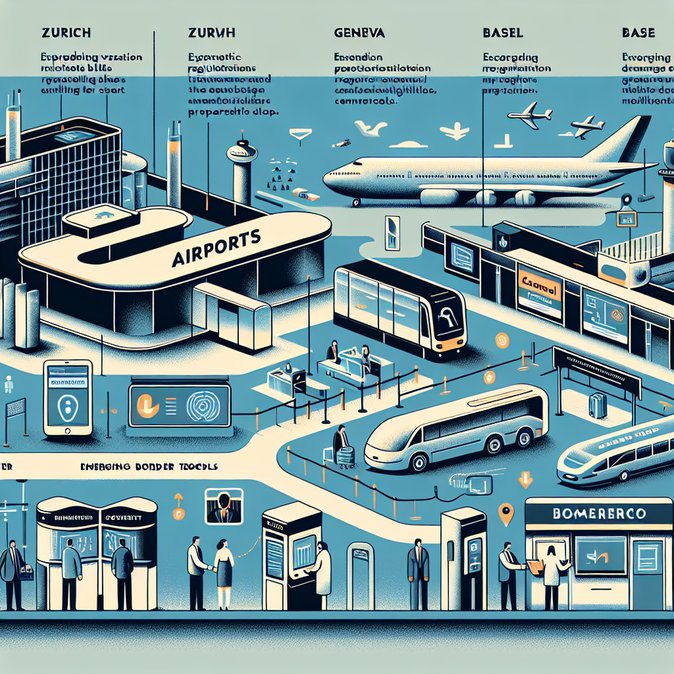
Zurich Airport, which handled over 31 million passengers in 2025, is expanding its biometric-kiosk zone for third-country nationals and hiring 120 additional border-security staff to avoid the multi-hour queues reported in Spain and Greece earlier this month. Basel-Mulhouse is piloting “express” lanes for cruise-ship passengers arriving by coach, while Geneva has installed handheld fingerprint scanners so officers can leave booths and clear backlogs manually when the automated gates stall. Under EES every visitor from a non-EU/EFTA country—including British, American and Australian business travellers—must complete a one-time facial and fingerprint registration. The data are shared in real time across all 29 states, instantly flagging anyone who has overstayed the 90-in-180-day Schengen limit. Swiss police say the system has already caught 1 200 over-stay cases since October, many linked to seasonal work in the hospitality sector. Swiss corporate-travel managers are being told to brief staff on practicalities: first-time EES users should allow up to two hours at passport control; dual citizens should travel on their EU passport to bypass registration; and long-stay visa holders are exempt but must carry proof of residence. Airlines serving Switzerland have updated their check-in scripts to remind passengers that possession of a valid boarding pass does not guarantee entry if biometric registration fails. Looking ahead, Swiss authorities see EES as the gateway to a fully paperless border. From late 2026, ETIAS will add advance screening; by 2028, officials hope to integrate customs declarations and vaccination certificates into the same digital wallet. For travellers, the message is simple: the era of passive passport stamping is over—Switzerland’s front door is now a live database.

Travellers and corporate mobility teams who need practical help navigating these new biometric rules can turn to VisaHQ’s dedicated Switzerland portal (https://www.visahq.com/switzerland/), which aggregates up-to-date EES and ETIAS guidance, runs instant visa-eligibility checks, and streamlines applications—so paperwork is handled long before you reach the airport kiosks.
Zurich Airport, which handled over 31 million passengers in 2025, is expanding its biometric-kiosk zone for third-country nationals and hiring 120 additional border-security staff to avoid the multi-hour queues reported in Spain and Greece earlier this month. Basel-Mulhouse is piloting “express” lanes for cruise-ship passengers arriving by coach, while Geneva has installed handheld fingerprint scanners so officers can leave booths and clear backlogs manually when the automated gates stall. Under EES every visitor from a non-EU/EFTA country—including British, American and Australian business travellers—must complete a one-time facial and fingerprint registration. The data are shared in real time across all 29 states, instantly flagging anyone who has overstayed the 90-in-180-day Schengen limit. Swiss police say the system has already caught 1 200 over-stay cases since October, many linked to seasonal work in the hospitality sector. Swiss corporate-travel managers are being told to brief staff on practicalities: first-time EES users should allow up to two hours at passport control; dual citizens should travel on their EU passport to bypass registration; and long-stay visa holders are exempt but must carry proof of residence. Airlines serving Switzerland have updated their check-in scripts to remind passengers that possession of a valid boarding pass does not guarantee entry if biometric registration fails. Looking ahead, Swiss authorities see EES as the gateway to a fully paperless border. From late 2026, ETIAS will add advance screening; by 2028, officials hope to integrate customs declarations and vaccination certificates into the same digital wallet. For travellers, the message is simple: the era of passive passport stamping is over—Switzerland’s front door is now a live database.