DHS proposes sweeping overhaul of asylum work-permit rules
UK migrants warned new ‘earned settlement’ plan could double wait time to 20 years
Mexico Reinstates Electronic Visitor Visa (e-Visa) for Brazilian Nationals
Latest News

IRCC issues 4,000 Invitations in surprise Health-Care Express Entry draw
On 20 February 2026, IRCC invited 4,000 candidates in a health-care and social-services-specific Express Entry draw, closing a record week of four draws and 10,670 total ITAs. The CRS cut-off was 467, underscoring Canada’s push to ease critical skills shortages in its health system. Employers and mobility teams should prepare for rapid onboarding and provincial licensing hurdles.

Italy Divides 43,300 Non-Seasonal Work-Permit Quotas Among Regions for 2026
Italy has formally distributed the 43,300 non-seasonal work permits available for 2026, assigning exact quotas to each region under Directive 531. Twenty-five thousand permits go to workers from 40 partner countries and 18,000 to countries that clinch new migration accords during the year; 300 are reserved for refugees. Employers can file sponsorships on the ‘ALI’ portal immediately, but unused quotas may be re-allocated mid-year. The clarification helps HR departments finalise recruitment plans and signals where shortages may still arise.
Thailand Doubles Visa-Free Stay For Indians To 60 Days, Removing On-Arrival Fees
Effective 13 February 2026 but announced on 20 February, Thailand now lets Indian nationals enter visa-free for 60 days (extendable by 30) and has scrapped the THB 2,000 visa-on-arrival fee. The move is expected to boost tourism receipts, facilitate longer business trips and support remote-work stays, while cutting red-tape for corporate mobility teams.

Heavy snowfall shuts Vienna Airport, grounding 150 flights and snarling business travel
Vienna International Airport suspended all flights for five hours on 20 February 2026 due to heavy snow, cancelling 150 services and triggering region-wide travel disruptions. Business travellers were forced to re-route via neighbouring hubs or rail. The episode highlights the fragility of Central European winter operations and the need for robust contingency plans.

Switzerland Aligns with EU Biometric Border Controls While Canada Narrows Express Entry Pathways
On 20 February 2026 Switzerland completed the nationwide rollout of the EU’s biometric Entry/Exit System, meaning all non-EU/EFTA visitors are now digitally registered on arrival. The same week Canada tightened its Express Entry immigration programme, prioritising applicants with Canadian experience and critical-skills backgrounds. Together, the moves complicate travel planning for Swiss-based multinationals and their globally mobile staff, who must now factor in extra border time, looming ETIAS pre-clearance and tougher Canadian selection rules.

Germany Activates Nationwide Digital Visa Portal for Skilled Workers
Germany’s Federal Foreign Office confirmed on 20 February 2026 that its fully digital skilled-worker visa portal is live worldwide, slashing average processing times from 66 to 27 days. The system lets employers and foreign talent complete every immigration step online and integrates directly with HR and relocation tools. Faster, paper-free processing is expected to boost Germany’s competitiveness for global talent and cut administrative costs for companies.

Cyprus imposes livestock movement ban as foot-and-mouth outbreak triggers international import curbs
Cyprus quarantined 23 farms and halted exports of livestock products on 20 February 2026 after confirming foot-and-mouth disease in Larnaca. The UK and other EU states have blocked Cypriot meat and dairy imports pending risk assessments. Companies trading in halloumi and other animal products face shipment holds and possible spoilage claims, while travellers can expect extra vehicle inspections near affected zones.
China adds Canada and UK to 30-day visa-free entry, lifting total to 50 countries
Effective 17 February 2026, Canada and the UK joined China’s 30-day visa-free entry scheme, bringing the eligible-country total to 50. The waiver covers business, tourism, family visits and transit but excludes paid work. Companies gain faster deployment options and cost savings, yet must still monitor purpose-of-stay limits and China’s cybersecurity rules.

Alberta to hold October referendum on five sweeping immigration questions
Premier Danielle Smith confirmed a province-wide vote for 19 October 2026 that will ask Albertans whether to restrict social services for some newcomers and seek new powers over immigration levels. The referendum creates months of uncertainty for employers who rely on foreign talent and could set a precedent for other provinces if approved.

Berlin Extends Internal Border Checks to 15 September 2026 Amid Migration Debate
Germany confirmed on 20 February that it will prolong passport checks at all land borders until 15 September 2026, citing smuggling and secondary-movement concerns. The decision affects road, rail and coach traffic with nine neighbouring countries and obliges companies to brief travellers on potential delays and documentation requirements.

EU Lets Schengen States – Including France – Pause EES Biometric Capture During Summer Peaks
Brussels has given France and other Schengen members permission to suspend EES biometric enrolment for up to six hours a day during the first post-launch summer. The concession should prevent the multi-hour queues forecast for Paris, Nice and Lyon but places the onus on travellers to monitor airport-specific implementation.

Poland formally exits Ottawa Treaty, paves way to deploy landmines along Belarus and Kaliningrad borders
On 20 February 2026 Poland officially left the Ottawa Treaty, allowing it to re-introduce anti-personnel and anti-vehicle mines along its borders with Belarus and Russia. The move forms part of the ‘East Shield’ fortification programme and is expected to tighten civilian and commercial cross-border movement, raising compliance and duty-of-care challenges for businesses operating in eastern Poland.

UK eases ETA passport rule after outcry from UAE-based dual nationals
The UK has told airlines they **may** accept expired British passports from dual nationals after 25 February, softening a rule that would have stranded many UAE-based Britons once the new ETA scheme becomes mandatory. Employers should review staff passport validity and prepare for stricter UK carrier checks.
Australia May Expand Power to Refuse Passports for IS-Linked Travellers
Opposition Leader Angus Taylor told parliament on 20 February that the Coalition will cooperate with Labor to widen the grounds for refusing or cancelling Australian passports for citizens with Islamic State ties. The push follows an aborted attempt by 34 women and children to leave Syria. If adopted, the change would give Home Affairs broader discretion to block travel documents, increasing compliance burdens for employers with staff in, or transiting through, conflict zones.

Belgium multiplies nationality fee to €1,000 and tightens family-reunification rules
Effective 20 February 2026, Belgium increased its nationality registration fee from €150 to €1,000 and introduced higher income, age and waiting-time requirements for family-reunification visas. The government says the move covers administrative costs and deters fraud, while employers fear it will raise the hurdle for long-term foreign staff seeking Belgian (and thus EU) citizenship. Wallonia, meanwhile, tweaked language-integration rules to make courses more flexible. The combined measures will materially affect expatriate budgets, HR planning and migrant families’ settlement prospects.
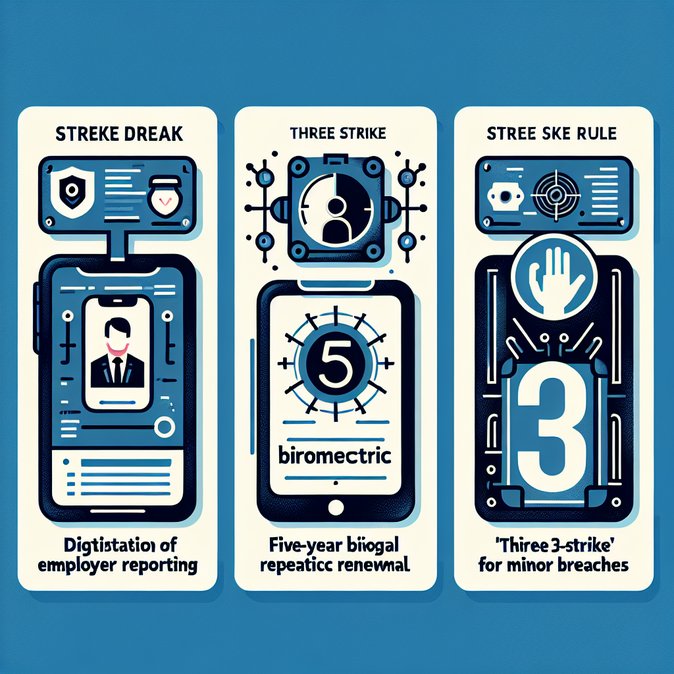
Czech Chamber of Deputies Opens First Reading of Sweeping Amendment to Foreigners Act
On 20 Feb 2026 Czech MPs began debating Bill 811, a major amendment to the Foreigners Act that digitises employer reporting, mandates five-year biometric renewal and introduces a ‘three-strike’ rule for minor breaches. If adopted, the changes will modernise compliance but impose new data-management duties on employers and expatriates.